Hey there, fellow green thumbs! If you’re anything like me, you’ve probably spent countless hours nurturing your garden, only to wonder why some plants thrive while others just…
well, don’t. I’ve been there, staring at a wilting tomato plant or a stunted pepper, scratching my head in confusion. It truly feels like a mystery sometimes, especially with our increasingly unpredictable weather patterns, thanks to everything from local microclimates to global climate shifts making our gardening lives a bit more challenging these days.
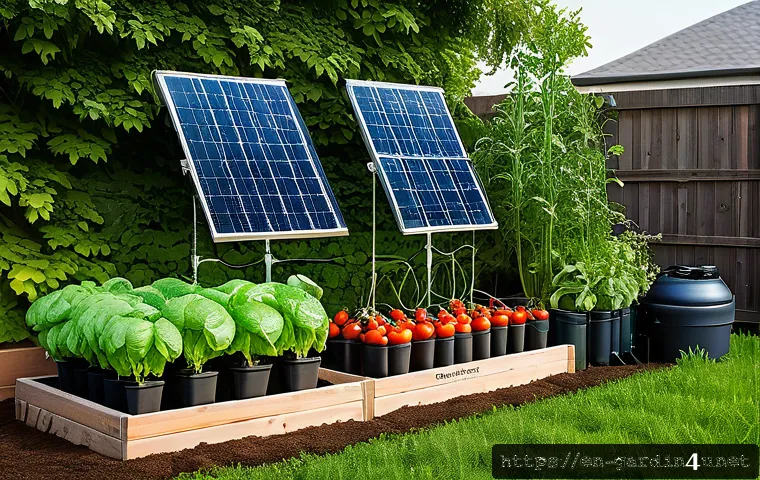
You know, with all the talk about smart homes, it’s exciting to see how cutting-edge technology, like advanced sensors and automated systems, is now stepping up to help us tackle these very issues in our backyards, turning guesswork into educated gardening.
But beyond the gadgets, understanding the perfect temperature and humidity for each of your veggie pals is an absolute game-changer, and honestly, it’s a secret weapon for a truly abundant harvest.
Ready to unlock those secrets and watch your garden flourish like never before? Let’s dive in and make every plant happy!
Decoding Your Garden’s Thermostat: Why Temperature is the Silent Architect
You know, for years, I just thought ‘sun equals growth.’ Simple, right? Oh, how naive I was! It turns out, sunlight is only one piece of the puzzle. The actual temperature, both in the air and in the soil, plays an absolutely massive role in how happy – or utterly miserable – your plants are going to be. Think about it: every plant has its comfort zone, just like we do. Some love basking in the warm glow of a sunny afternoon, soaking up the heat, while others prefer things a little cooler, maybe a partly shaded spot. If it’s too hot, plants can get stressed out, stop producing flowers or fruit, or even just keel over entirely. Too cold, and they might bolt, get stunted, or just refuse to germinate in the first place. I’ve learned this the hard way with my early spring plantings, watching tender seedlings shiver their way into oblivion when I pushed my luck a bit too much. It’s not just about survival; it’s about optimizing their environment for peak performance. Getting those temperatures just right for their specific needs is like giving them a five-star spa treatment, and trust me, they’ll thank you with a bountiful harvest. It’s a delicate balance, and understanding it is truly transformative for any home gardener looking to elevate their game.
The Sweet Spot: Daytime vs. Nighttime Temperatures
This is where things get really interesting, and frankly, a bit nuanced. It’s not just about the average temperature throughout the day, but the difference between daytime highs and nighttime lows that truly impacts your plants. Many vegetables, especially those that fruit like tomatoes, peppers, and eggplants, absolutely thrive when they experience a significant temperature drop at night. This diurnal swing, as the fancy folks call it, helps them “rest” and conserve energy, putting more into fruit development rather than continuous vegetative growth. When the nights stay too warm, I’ve noticed my tomatoes tend to get leggy, focusing on growing tall rather than wide, and their fruit production can seriously dwindle. Conversely, a sharp drop can be detrimental for heat-loving plants, leading to slowed growth or even damage. Understanding the ideal range for both day and night is crucial. For instance, my sweet peppers love warm days around 75-85°F (24-29°C) but really appreciate nights that dip down into the 60s (15-18°C). It helps them mature their fruit with richer flavors. It’s like their metabolism slows down, allowing them to process the sugars and starches more effectively, which translates into better tasting produce for us! Experimenting with microclimates in your own garden can make all the difference here.
Soil Temperature: The Unseen Foundation of Growth
While air temperature is what we often focus on, the temperature of your soil is, in my honest opinion, just as important, if not more so, especially for germination and root development. Seeds are incredibly sensitive to soil warmth. Plant a packet of beans too early when the soil is still chilly, and you might get patchy germination or, worse, none at all. I made this mistake so many times when I first started, driven by an eager hand and a sunny afternoon that fooled me into thinking spring had fully arrived. Most warm-season vegetables, like corn and squash, need soil temperatures consistently above 60°F (15°C) to really get going. Cold-hardy crops, on the other hand, can handle much cooler soil, even down to the 40s (4-9°C) for spinach or peas. The soil temperature also affects nutrient uptake and microbial activity, both of which are vital for healthy root systems. Using a soil thermometer is one of the best investments I ever made for my garden. It takes the guesswork out of planting and ensures that when I put those precious seeds or seedlings in the ground, they have the best possible start to a long, productive life. Mulch can also play a huge role here, either insulating to keep warmth in or reflecting sun to keep things cooler, depending on your needs.
The Humidity Hustle: Balancing Moisture for Thriving Greens
Humidity! Ah, the often-overlooked cousin of temperature, but every bit as critical for a happy garden. When I first started gardening, I thought humidity was just something that made me feel sticky in the summer. Little did I know, it’s a silent force dictating how well my plants can breathe, drink, and even fight off diseases. Plants, through their leaves, release water vapor in a process called transpiration. High humidity means there’s already a lot of moisture in the air, so plants don’t transpire as much. This can be good for some, like many tropical plants, as it reduces water loss. But for others, especially those prone to fungal diseases, high humidity can be a breeding ground for problems. On the flip side, extremely low humidity can cause plants to dry out too quickly, leading to wilting, stressed plants that struggle to absorb enough water from their roots to compensate for what’s evaporating from their leaves. I’ve had entire crops of cucumbers struggle because the air was just too dry, leading to crispy edges on their leaves and stunted growth. It’s a delicate dance between giving them enough moisture in the air to prevent stress but not so much that you invite unwelcome guests like powdery mildew. Understanding your local climate’s average humidity levels is a game-changer, and making small adjustments can yield big results.
When Low Humidity Leads to Leafy Woes
Living in an area that can get pretty dry, I’ve had my fair share of battles with low humidity. It’s frustrating to see your plants, even when well-watered at the roots, look like they’re struggling. That’s usually a dead giveaway for low ambient humidity. When the air is too dry, plants lose water through their leaves at an accelerated rate, which can lead to wilting, crispy leaf edges, and even slowed growth. For plants that are naturally accustomed to more humid environments, this can be a death sentence. I’ve found that misting my container plants on very dry days helps, especially during seedling stages. You can also group plants together; their collective transpiration creates a mini-humid environment. Another trick I’ve learned is to place saucers of water near humidity-loving plants, allowing the water to evaporate slowly throughout the day. For larger garden beds, proper mulching helps conserve soil moisture, which in turn slightly increases local humidity around the plants. It’s all about creating a microclimate that offers a little more atmospheric moisture, helping those leaves stay plump and happy, rather than desiccated and stressed. Don’t underestimate the power of a little extra moisture in the air to keep your plants thriving, especially when the weather is doing its best to dry everything out.
High Humidity: A Double-Edged Sword
While some plants revel in high humidity, for many of our beloved garden vegetables, it can quickly turn into a nightmare, particularly when combined with warm temperatures. Picture this: a muggy summer evening, your tomato plants are thick with foliage, and the air is so heavy you can almost chew it. Perfect conditions for fungal diseases like early blight or powdery mildew to set in and wreak havoc! The persistent moisture on leaves doesn’t allow them to dry out, creating an ideal environment for spores to germinate and spread. I’ve learned the hard way that good air circulation is absolutely paramount in humid conditions. Pruning my tomato plants, making sure they aren’t too bushy, and spacing my plants adequately have become non-negotiable practices in my garden. Sometimes, it feels like . It’s all about finding that sweet spot where plants get enough moisture without inviting a host of fungal foes. Regular monitoring and proactive measures are key to keeping those leaves healthy and disease-free, ensuring your efforts translate into a bountiful harvest rather than a sad, mildewed mess.
When the Heat is On: Protecting Your Plants from Summer’s Scorch
Summer in many places can be brutal, and our gardens often bear the brunt of it. I’ve seen countless seasons where a sudden heatwave turned what promised to be a fantastic harvest into a struggle for survival. When temperatures soar consistently above 90°F (32°C), even the most heat-loving plants start to show signs of stress. Pollen can become sterile, flowers drop without setting fruit, and leaves might wilt or even get scorched. It’s heartbreaking to watch, especially after all the effort you’ve put in. I remember one scorching August where my pepper plants, usually prolific, just sat there, looking utterly miserable and refusing to produce anything. They were technically alive, but certainly not thriving. This is when strategic intervention becomes crucial. It’s not about fighting nature but working with it, understanding your plants’ limits, and providing a little extra TLC. Think about it: we seek shade and hydration when it’s hot, and our plants need similar consideration. Offering them some respite from the intense midday sun can make all the difference, preserving their energy and allowing them to continue their vital processes without completely shutting down. Don’t let a heatwave steal your hard-earned harvest; a few simple steps can keep your garden productive through the toughest summer days.
Shade Cloths: Your Plants’ Best Summer Friend
If you live in an area with intense summer sun and frequent heatwaves, a shade cloth isn’t just a luxury; it’s practically a necessity for many of your warm-season crops. I used to think they were just for professional growers, but after losing a substantial part of my tomato and pepper crop to sunscald and heat stress a few years back, I became a true believer. A 30-40% shade cloth draped over a simple frame can dramatically reduce the temperature on your plants, protecting them from the harshest midday rays. It lowers the ambient temperature around the foliage, preventing leaf scorch and encouraging better fruit set when things get really hot. My cucumbers, which tend to get bitter in extreme heat, stay much sweeter under a bit of shade. It’s like giving them a cool umbrella during the hottest part of the day. You don’t usually need 100% shade; just enough to break the intensity. I typically put mine up when temperatures are consistently forecast above 85°F (29°C) for several days. It’s an inexpensive investment that can literally save your harvest, making the difference between a sad, sparse crop and a vibrant, abundant one that lasts through the dog days of summer. Just make sure it’s securely fastened so it doesn’t blow away in a strong gust!
Water Wisely: Hydration in High Heat
When the mercury climbs, your plants’ water needs skyrocket. But it’s not just about giving them more water; it’s about giving them water smartly. During heatwaves, I always make sure to deep-water my garden early in the morning, before the sun gets too intense. This allows the water to soak down into the root zone before it can evaporate, and the plants have all day to absorb it and prepare for the heat. Watering in the middle of a hot day is largely inefficient, as most of the water will evaporate before it reaches the roots, and watering in the evening can leave foliage wet overnight, potentially encouraging fungal issues if humidity is also high. Another key tip: don’t just sprinkle! Deep, infrequent watering is always better than shallow, frequent watering, as it encourages roots to grow deeper, making the plants more resilient to drought and heat stress. I also swear by a good layer of mulch. A thick layer of straw, wood chips, or shredded leaves not only conserves soil moisture by reducing evaporation but also keeps the soil temperature cooler, providing a more stable environment for those hard-working roots. It’s a simple, yet incredibly effective strategy for keeping your plants hydrated and happy when the summer sun is beating down relentlessly.
Chasing the Chill: Understanding Cold-Hardy Veggies
While many of us are dreaming of juicy tomatoes and sweet peppers, there’s a whole wonderful world of vegetables that actually *prefer* the cooler temperatures of spring and fall, and some can even shrug off a light frost! For years, I focused solely on my summer garden, but once I discovered the joy and abundance of cool-season crops, my gardening season extended dramatically. These are the unsung heroes of the vegetable patch, providing fresh greens and root vegetables when many other plants are just starting or completely finished. Think spinach, lettuce, kale, broccoli, radishes, and peas. These plants have evolved to thrive in conditions that would send their heat-loving counterparts into a spiral of stress. Their internal mechanisms are built to handle lower temperatures, sometimes even enhancing their flavor profile, making them sweeter after a touch of frost. I remember the first time I harvested kale after a late autumn chill; it was noticeably sweeter and more tender than the summer pickings. It opened my eyes to the incredible resilience and versatility of these crops, proving that gardening isn’t just a summer affair. Embracing cold-hardy varieties can truly transform your gardening calendar, offering fresh produce almost year-round, depending on your climate, and filling those gaps between summer harvests.
Embracing Early Spring and Late Fall Plantings
One of the biggest lessons I’ve learned in my gardening journey is to not rush my warm-season crops but instead, embrace the opportunities that early spring and late fall present for cold-hardy vegetables. Planting spinach, arugula, and radishes as soon as the soil can be worked in early spring feels incredibly satisfying, getting a jump start on the growing season long before the last frost date. These crops will grow quickly, providing a delicious harvest before the summer heat makes them bolt (go to seed). Then, as summer winds down, I shift my focus to a second wave of these cool-season champions. Planting kale, collards, and broccoli in late summer or early fall allows them to mature during the cooler temperatures, often resulting in sweeter, more tender leaves. It’s like getting a bonus harvest! You do have to pay attention to your local first and last frost dates, but with a little planning, you can easily extend your garden’s productivity by several months. I’ve found that using row covers can also buy you a few extra weeks on either end of the season, protecting delicate seedlings from a late spring nip or extending the harvest of greens well into winter. It’s a fantastic way to maximize your garden’s output and enjoy fresh veggies for a much larger portion of the year.
The Magic of a Light Frost for Flavor
This might sound counterintuitive to new gardeners, but for certain cool-season vegetables, a light frost isn’t just tolerable; it’s actually *beneficial* for their flavor. I discovered this phenomenon with my kale and Brussels sprouts. Before a frost, they’re good, but after a gentle nip from freezing temperatures, they transform. They become noticeably sweeter and often more tender. What’s happening here is really fascinating: as temperatures drop, these plants convert starches into sugars as a natural antifreeze mechanism. It’s their way of protecting their cells from freezing damage. And guess what? Those extra sugars translate directly into a sweeter taste for us! It’s one of those amazing quirks of nature that makes gardening so endlessly fascinating. So, when the first light frost is predicted in autumn, instead of rushing to cover everything, I often leave my kale, collards, and parsnips exposed, knowing that nature is working its magic to enhance their flavor. Of course, you need to know which plants can handle it and which will turn to mush, but for the right veggies, a touch of chill can be the secret ingredient to an even more delicious harvest. It’s a risk worth taking for that unparalleled taste experience!
Mastering the Microclimate: Tailoring Conditions to Your Specific Patch
Every garden, no matter how small, has its own unique microclimates. This is something I truly wish someone had explained to me when I first started out. I used to think my whole yard was just “Zone 7,” and that was that. But oh, how wrong I was! Even within a single raised bed, you can have areas that are warmer or cooler, drier or more humid, or get more sun or shade than others. Understanding and working with these subtle variations is, in my opinion, the mark of a truly seasoned gardener. It’s about observing, experimenting, and making intelligent choices based on what you see happening in your very own patch of earth. For instance, the south-facing side of my house gets blasted with sun and heat, making it perfect for my most heat-loving tomatoes, while a spot near a large tree, despite being relatively open, stays cooler and more humid, which is ideal for some of my leafy greens that bolt quickly in the heat. Identifying these mini-environments allows you to perfectly place each plant where it will thrive best, rather than trying to force a square peg into a round hole. It’s a fascinating detective game, really, paying attention to the nuances of your own backyard. Once you start noticing these differences, your plant placement strategy will become incredibly more effective, leading to healthier plants and bigger yields.
Harnessing Shade and Sun for Optimal Growth
One of the most powerful tools in managing your garden’s microclimates is strategically utilizing existing shade and sun patterns. It sounds simple, but it’s incredibly effective. For example, in my garden, I have a section that gets full sun until about 2 PM, then falls into the shade of my neighbor’s large oak tree. This spot is perfect for crops like lettuce, spinach, and even some varieties of bush beans that appreciate morning sun but need protection from the intense afternoon heat. Conversely, my sun-worshipping plants like corn and squash are placed in the brightest, most exposed areas, where they can soak up eight or more hours of direct sunlight. I also use taller plants to cast shade on shorter, more sensitive ones. A row of corn or sunflowers can provide invaluable afternoon shade for cucumbers or basil planted to their north, effectively creating a cooler, more protected environment for them. It’s all about thoughtful placement. Before I plant anything new, I spend a few days just observing where the sun hits at different times of the day throughout the season. This little bit of planning goes a long way in ensuring each plant is getting exactly the amount of light and heat it needs, rather than too much or too little, and helps me get the most out of every square inch of my garden space.
Building Microclimates with Raised Beds and Containers
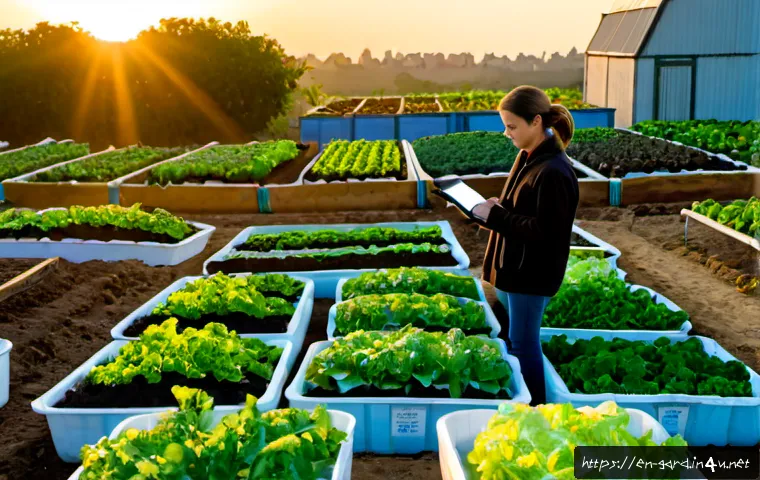
Raised beds and containers aren’t just for aesthetics or convenience; they’re fantastic tools for creating and managing localized microclimates. In a raised bed, the soil warms up faster in the spring, which is a huge advantage for getting an early start on warm-season crops. The elevated soil also drains better, which can be a boon in areas with heavy clay soil or excessive rain, preventing root rot and creating a more favorable humidity level at the soil line. I’ve found that my peppers absolutely love the warmth of a raised bed. For containers, the control factor is even greater. You can literally move plants around to chase the sun or escape the harsh afternoon heat, placing them under a patio umbrella or bringing them indoors during extreme weather. This flexibility is invaluable for delicate plants or those with very specific needs. Imagine moving your basil into partial shade on a scorching day, or bringing your tender herbs inside before an unexpected cold snap. I even use different colored containers; dark ones absorb more heat, which can be great for heat-lovers in cooler climates, while lighter ones keep roots cooler in hot areas. It’s about leveraging these structures to give your plants exactly what they need, regardless of the broader weather patterns.
Beyond the Thermometer: How Sensors and Tech Can Be Your Best Buds
Okay, let’s talk tech. I know, I know, some of us love getting our hands dirty and prefer the old-school methods. I’m right there with you! But honestly, in this day and age, some of the smart gardening gadgets out there are genuinely game-changers, especially when it comes to understanding and managing temperature and humidity. For years, I relied on my gut feeling, a basic thermometer, and watching the weather forecast. And while that’s still important, adding a few smart tools to my arsenal has taken my gardening to a whole new level of precision. We’re talking about devices that can give you real-time data, not just about the air, but crucially, about your soil conditions. This isn’t about replacing your intuition; it’s about empowering it with concrete, objective data. Imagine knowing exactly when your soil hits that perfect 60°F (15°C) for bean germination, or getting an alert when the humidity around your tomatoes is too high, signaling a potential disease risk. These tools can save you from costly mistakes, optimize your watering schedule, and ultimately lead to a healthier, more productive garden. It’s like having a little garden assistant working 24/7, quietly collecting all the crucial information you need to make informed decisions and truly nurture your plants.
Smart Sensors: Your Garden’s Personal Data Whisperer
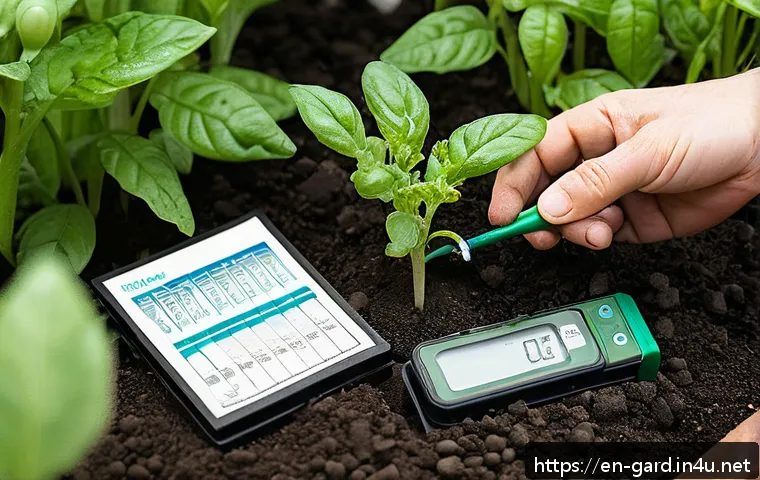
I can’t stress enough how much a good set of smart sensors has changed my approach to gardening. Forget just sticking a finger in the soil! We’re talking about small, unobtrusive devices that you can place in different areas of your garden to continuously monitor not just air temperature and humidity, but also soil moisture, soil temperature, and even light levels. Many of these connect wirelessly to an app on your phone, giving you a constant stream of vital information. I’ve found them incredibly useful for identifying those microclimates I mentioned earlier. For example, I discovered that one corner of my raised bed consistently ran a few degrees cooler and held more moisture than the rest, which explained why my basil always struggled there, while my lettuce loved it. These insights allow for incredibly precise adjustments. You can pinpoint exactly where to water more, where to add mulch, or which plants might benefit from a move. It takes the guesswork out of so many decisions, allowing you to react proactively to changing conditions rather than just observing the aftermath. It’s truly like having your garden whisper its needs directly into your ear, and once you start using them, you’ll wonder how you ever gardened without this kind of detailed, real-time feedback.
Automated Systems: Taking the Stress Out of Climate Control
For those looking to really level up, especially if you have a greenhouse or are juggling a busy schedule, automated systems can be an absolute lifesaver. Picture this: your smart sensors detect that the greenhouse temperature is rising too high, and automatically trigger the vents to open or the shade cloth to deploy. Or, if the soil moisture drops below a certain threshold, the irrigation system kicks in, delivering just the right amount of water. This isn’t futuristic fantasy; it’s readily available tech that can take a huge amount of stress and guesswork out of managing your garden’s climate. While the initial investment might be a bit higher, the peace of mind and the consistently healthy plants it provides are, in my experience, well worth it. I’ve dabbled with automated watering in my greenhouse, and it’s fantastic for when I’m away or just when life gets hectic. It ensures my plants are never thirsty and that conditions remain optimal, even when I can’t be there personally. These systems are becoming more user-friendly and affordable, making sophisticated climate control accessible to home gardeners. It truly allows you to focus on the joy of gardening, knowing that the environmental essentials are being meticulously managed in the background, ensuring a thriving garden regardless of your schedule.
The Daily Dance: Managing Temperature Swings and Humidity Dips
Gardening, at its heart, is a daily dance with nature. The weather isn’t static; it’s a constantly evolving ballet of sun, clouds, warmth, and chill, and our plants are performing right alongside it. This means that managing temperature and humidity isn’t a one-and-done task; it’s an ongoing process of observation and adjustment. I’ve learned that even within a single day, conditions can shift dramatically, from cool, dewy mornings to scorching afternoons, and then back to cool evenings. These diurnal swings, as they’re called, have a profound impact on plant health and productivity. For instance, a very humid morning followed by a hot, windy afternoon can stress plants immensely as they struggle to adapt to rapid changes in transpiration rates. Being attuned to these daily fluctuations and knowing how to respond is a key skill every gardener develops over time. It’s about being present, looking at your plants, and understanding the subtle cues they give you about their comfort levels. It’s definitely not a set-it-and-forget-it hobby, but that’s part of its charm, isn’t it? The constant interaction and connection with the natural world make it endlessly rewarding, pushing you to learn and adapt, which ultimately makes you a better, more responsive grower who truly understands the needs of their green companions.
Responding to Unexpected Weather Shifts
One of the biggest challenges, and sometimes the most thrilling, parts of gardening is dealing with unexpected weather shifts. You check the forecast, plan your week, and then boom – an unseasonal cold snap, an early heatwave, or a sudden deluge of rain. I’ve been caught off guard more times than I care to admit, especially in spring. The key is to be prepared and flexible. Have those row covers or old bedsheets ready to protect tender seedlings from a surprise frost. Keep shade cloth handy for those early summer heat spikes that can fry young plants. And when a sudden downpour is on the horizon, consider moving container plants under cover to prevent waterlogging, or even temporarily erecting a makeshift cover over sensitive plants in the ground if your soil drains poorly. These quick responses can literally save your harvest. It’s about having a toolkit of strategies and being ready to deploy them at a moment’s notice. I’ve found that having a dedicated “weather emergency” kit with these items makes it less of a scramble when the forecast suddenly changes. It’s all part of the wild, unpredictable, and utterly beautiful journey of coaxing life from the soil, adapting to whatever Mother Nature decides to throw your way. Remember, a prepared gardener is a successful gardener!
Ventilation and Airflow: The Unsung Heroes of Garden Health
When we talk about temperature and humidity, we absolutely cannot overlook the critical role of good ventilation and airflow. Stagnant air is the enemy of a healthy garden, especially when humidity is high. It creates a perfect breeding ground for fungal diseases, slows down evaporation, and can lead to heat buildup in certain areas. I learned this lesson the hard way in my first greenhouse, where powdery mildew became a constant battle until I installed proper fans and vents. Even in an open garden, ensuring good airflow between plants is crucial. This means proper spacing when planting and judicious pruning to remove excess foliage, especially on dense plants like tomatoes and squash. Thinning out overcrowded seedlings also improves airflow and reduces competition. Think about it: a gentle breeze helps to dry foliage, discouraging fungal spores from germinating, and it helps to equalize temperatures, preventing hot spots or cold pockets. It also aids in pollination, gently shaking pollen loose for many wind-pollinated plants. So, next time you’re planning your garden layout or considering a pruning session, think about airflow. It’s a simple, yet incredibly effective strategy for creating a healthier, more resilient garden that can better withstand the daily fluctuations of temperature and humidity, leading to stronger plants and ultimately, a more bountiful yield.
| Vegetable | Optimal Temperature Range (°F/°C) | Humidity Preference | Notes |
|---|---|---|---|
| Tomatoes | Day: 70-85°F (21-29°C), Night: 60-70°F (15-21°C) | Moderate (50-70%) | High heat can cause flower drop and poor fruit set. Good air circulation is key. |
| Lettuce | 60-70°F (15-21°C) | Moderate to High (60-80%) | Bolts quickly in high heat. Prefers consistent moisture. |
| Peppers | Day: 70-85°F (21-29°C), Night: 65-75°F (18-24°C) | Moderate (50-70%) | Similar to tomatoes, but some varieties tolerate slightly higher heat. |
| Cucumbers | Day: 65-85°F (18-29°C), Night: 60-70°F (15-21°C) | High (70-90%) | Prone to bitterness in dry, hot conditions. Consistent water and humidity are vital. |
| Carrots | 60-75°F (15-24°C) | Moderate (50-70%) | Germination needs consistent soil moisture. Hot temperatures can make roots woody. |
| Spinach | 50-65°F (10-18°C) | Moderate to High (60-80%) | Very prone to bolting in heat. Ideal for early spring and fall. |
| Green Beans | 65-80°F (18-27°C) | Moderate (50-70%) | Sensitive to frost. Soil must be warm for germination (above 60°F/15°C). |
Wrapping Things Up
Well, friends, as you can see, there’s so much more to a thriving garden than just sunshine and water. It’s truly a captivating journey into the subtle science of nature, a delicate dance between temperature and humidity that dictates the success of every seed, seedling, and harvest. Understanding these silent architects of growth—the warmth of the soil, the cool of the night, and the moisture in the air—is what transforms a good gardener into a truly exceptional one. It’s an ongoing adventure of learning, observing, and adapting, and honestly, that’s what makes it so incredibly rewarding. Keep experimenting, keep paying attention, and your plants will surely thank you with an abundance that will bring a smile to your face.
Useful Information to Know
1.
Invest in a Soil Thermometer: This seemingly small tool is a game-changer, especially in spring. It takes the guesswork out of planting and ensures your seeds hit their ideal germination temperatures, preventing costly re-plantings and frustration. I picked one up for under $15, and it’s saved me so much hassle over the years.
2.
Observe Your Microclimates: Spend a few days just watching your garden throughout the day and across seasons. Notice where the sun hits longest, where shade falls, and where water tends to collect or dry out first. This information is pure gold for placing plants exactly where they’ll thrive best. You might be surprised at the hidden niches!
3.
Master the Art of Mulching: A good layer of organic mulch (like straw or wood chips) does double duty. It not only conserves soil moisture, reducing your watering needs, but also helps to regulate soil temperature, keeping it cooler in summer and warmer in spring. It’s an easy win for plant health and water efficiency.
4.
Don’t Fear the Shade Cloth: If your summers are scorching, a 30-40% shade cloth is your plants’ best friend. It can prevent sunscald, reduce heat stress, and encourage better fruit set for heat-sensitive crops. It’s a small investment that can dramatically improve your summer harvest, especially for tomatoes and peppers.
5.
Embrace Smart Watering: Deep, infrequent watering is always better than shallow, frequent sprinkles. Aim to water early in the morning, allowing the water to penetrate deeply before evaporation takes over, and giving foliage time to dry. This encourages deeper root growth, making your plants more resilient to environmental stress.
Key Takeaways
Temperature is More Than Just a Number
The entire blog post has, I hope, made one thing abundantly clear: temperature isn’t just a simple reading on a thermometer; it’s a dynamic force shaping every aspect of your plant’s life. From the moment a tiny seed germinates in the soil to the setting of luscious fruit, the ambient and soil temperatures dictate metabolic rates, nutrient uptake, and overall vigor. Crucially, the difference between daytime and nighttime temperatures (the diurnal swing) plays a vital role in how plants allocate their energy, influencing everything from vegetative growth to fruit development. Ignoring this delicate balance can lead to stunted growth, flower drop, or a significant reduction in harvest quality. It’s a nuanced understanding that, once grasped, truly elevates your gardening prowess, transforming potential struggles into thriving successes. Remember, different plants have different sweet spots, and catering to these individual needs is paramount.
Humidity: The Unseen Regulator of Plant Health
Often overlooked, humidity profoundly impacts your garden by controlling how plants transpire, absorb water, and even resist disease. High humidity can be a double-edged sword: beneficial for some tropical plants by reducing water loss, but a breeding ground for fungal issues like powdery mildew on many common vegetables. Conversely, excessively low humidity forces plants to transpire too rapidly, leading to wilting, stressed leaves, and poor growth, even if the soil is adequately moist. Achieving a healthy balance is crucial. This involves not only understanding your local climate but also employing strategies like proper plant spacing, judicious pruning for airflow, and strategic misting or mulching to create beneficial microclimates. Managing the moisture in the air around your plants is as important as managing the moisture in the soil, directly influencing their ability to breathe, drink, and ultimately, flourish without succumbing to stress or disease.
Empowering Your Green Thumb with Smart Practices
Becoming a truly successful gardener isn’t about having a “green thumb” by magic; it’s about continuously learning and adapting. This includes leveraging modern tools and embracing fundamental practices. Smart sensors can be your garden’s personal data whisperer, providing real-time insights into soil temperature, moisture, and even ambient humidity, helping you make informed decisions. Beyond tech, harnessing existing microclimates within your garden by strategically placing plants, utilizing shade cloths, and deep-watering wisely are critical for weathering extreme conditions like heatwaves or unexpected cold snaps. Furthermore, understanding the benefits of cool-season crops allows for an extended harvest, and recognizing how a light frost can enhance the flavor of certain vegetables adds another layer of appreciation to the gardening journey. Ultimately, a proactive, observant, and adaptable approach to managing environmental factors like temperature and humidity will lead to a more resilient, bountiful, and deeply satisfying gardening experience, year after year.
Frequently Asked Questions (FAQ) 📖
Q: Why is getting the temperature and humidity just right such a big deal for my veggie garden? I thought sun and water were enough!
A: Oh, my friend, that’s a question I’ve asked myself countless times when a plant just wasn’t living its best life! While sun and water are absolutely foundational, temperature and humidity are like the silent conductors of your garden’s orchestra.
Think of it this way: every single plant has its sweet spot, a Goldilocks zone where it performs optimally. If it’s too cold, growth can stunt, and flowers might drop without setting fruit.
Too hot, and plants can get stressed, sometimes even “bolt” (go to seed prematurely), or their pollen becomes infertile, meaning no tasty tomatoes for you!
I once had a whole crop of green beans practically melt in an unexpected heatwave because I didn’t realize how sensitive they were to those high temps.
Humidity plays an equally vital role. When the air is too dry, plants struggle to absorb water efficiently through their roots because they’re losing too much moisture through their leaves, which is called transpiration.
This can lead to wilting even if the soil is damp! On the flip side, if it’s too humid, especially for extended periods, you’re practically inviting fungal diseases like powdery mildew to set up shop on your precious squash plants.
I’ve battled that before, and trust me, it’s no fun. Getting these conditions dialed in truly is the secret sauce for vigorous growth, bountiful harvests, and healthier, more resilient plants overall.
It’s a game-changer!
Q: What are some super easy, practical ways I can keep tabs on my garden’s temperature and humidity without needing a degree in meteorology or spending a fortune?
A: You are so right to ask this, because knowledge is power in the garden! You absolutely don’t need fancy gadgets to get started, though they can be fun later.
For temperature, a simple, outdoor thermometer placed in a shady spot (not in direct sun, or you’ll get an artificially high reading!) near your plants is your first line of defense.
I actually have a couple scattered around my yard, one near my raised beds and another closer to my fruit trees, just to get a better sense of any microclimates.
You’d be surprised how much difference there can be between areas! When it comes to humidity, it’s a bit trickier to measure accurately with super basic tools, but your plants often tell you what you need to know.
Look for visual cues: if leaves are curling or crispy, or if you’re seeing persistent dew or white powdery spots, those are huge indicators. However, for a step up without breaking the bank, a basic hygrometer (often combined with a thermometer, creating a “thermo-hygrometer”) can be picked up for a very reasonable price at any garden center or online.
Just place it strategically among your plants, and it’ll give you a pretty good idea of what’s going on. These little meters are amazing, I swear by mine for my more sensitive crops, and they’ve saved me from several potential disasters by alerting me to conditions getting a bit too extreme.
Trust your instincts and observe your plants, but these simple tools really empower you to take action early.
Q: You mentioned smart home tech – how can these cutting-edge gadgets actually help me optimize temperature and humidity in my garden for a better harvest? It sounds a bit futuristic!
A: Oh, it is a bit futuristic, but in the best possible way! I’ve been experimenting with some of these tools myself, and let me tell you, they’ve taken a lot of the guesswork out of gardening, especially for those of us who juggle busy lives.
Imagine having sensors, sometimes just small probes you stick into the soil, that constantly monitor not just soil moisture but also air temperature and humidity right where your plants are.
This data is then sent straight to an app on your phone, giving you real-time insights. It’s like having a little garden assistant working 24/7! For example, some smart weather stations can give you hyper-local forecasts and even alert you if a frost is coming or if a sudden heatwave is predicted, giving you a heads-up to cover sensitive plants or increase watering.
Some advanced systems can even trigger automated misters or irrigation if humidity drops too low, or vent fans in a greenhouse if it gets too stuffy. I recently invested in a smart irrigation controller that pulls local weather data and adjusts my watering schedule automatically.
It saved my tomatoes during a surprise dry spell when I was out of town – truly a harvest saver! These tools essentially give you precise, actionable data, allowing you to fine-tune your environment with an accuracy that old-school gardening just couldn’t achieve.
It’s not about replacing your green thumb, but amplifying it with smart insights.