With climate patterns becoming increasingly unpredictable, finding sustainable ways to nurture our gardens is more important than ever. Have you ever considered how much water your plants could thrive on if harvested smartly?
Rainwater harvesting isn’t just eco-friendly—it’s a game changer for maximizing your garden’s health and reducing water bills. In this post, we’ll explore practical storage techniques and innovative tips that can transform every drop into lush growth.
Stick around to discover how simple shifts in your watering routine can lead to a flourishing garden all year round.
Designing Efficient Rainwater Collection Systems for Your Garden
Choosing the Right Catchment Surface
When it comes to harvesting rainwater effectively, the surface that collects the water plays a crucial role. Most gardeners opt for rooftops because they offer a large, clean surface area free from contaminants often found on the ground.
However, the type of roofing material—be it metal, tile, or asphalt shingles—affects the quantity and quality of water collected. For example, metal roofs tend to yield cleaner water and require less maintenance compared to asphalt, which can leach chemicals.
Positioning gutters and downspouts strategically ensures that water flows directly into storage containers, minimizing losses. I’ve found that regularly cleaning these surfaces before the rainy season prevents debris buildup and keeps the system efficient.
Selecting and Installing Storage Containers
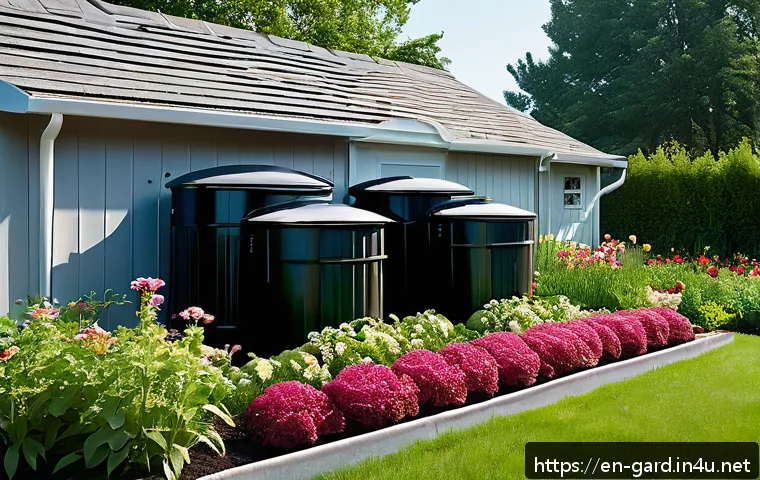
Storage tanks come in various sizes and materials, from plastic barrels to large fiberglass cisterns. When choosing a container, consider your garden’s size and water needs, as well as local rainfall patterns.
For a small vegetable patch, a 50- to 100-gallon barrel might suffice, but larger gardens benefit from tanks holding several hundred gallons. Placement is key—locate tanks near garden beds to reduce the effort of watering.
Installing a first-flush diverter—a device that discards the initial dirty runoff before the water enters your storage—can significantly improve water quality.
I installed one last year and noticed fewer clogs in my drip irrigation system.
Maintaining Water Quality and Preventing Mosquito Breeding
Stagnant water is a breeding ground for mosquitoes and algae, which can harm your plants and your health. To combat this, cover your storage tanks with fine mesh screens that let water in but keep insects out.
Regularly inspect and clean tanks to remove sediment and prevent algae growth. Adding a small amount of food-grade hydrogen peroxide or using solar-powered aerators can also keep water fresh without harming plants.
From my experience, a simple mesh lid combined with monthly cleaning strikes a good balance between maintenance and water quality.
Maximizing Garden Health with Smart Watering Techniques
Timing Your Watering for Optimal Absorption
Watering your garden at the right times can make a huge difference in plant health and water efficiency. Early mornings or late evenings are ideal because evaporation rates are lower, allowing more water to penetrate the soil and reach roots.
Midday watering often leads to rapid evaporation and can sometimes stress plants due to sudden temperature changes. I switched to a morning watering schedule last spring and saw my tomato plants thrive with fewer signs of stress.
Implementing Drip Irrigation and Soaker Hoses
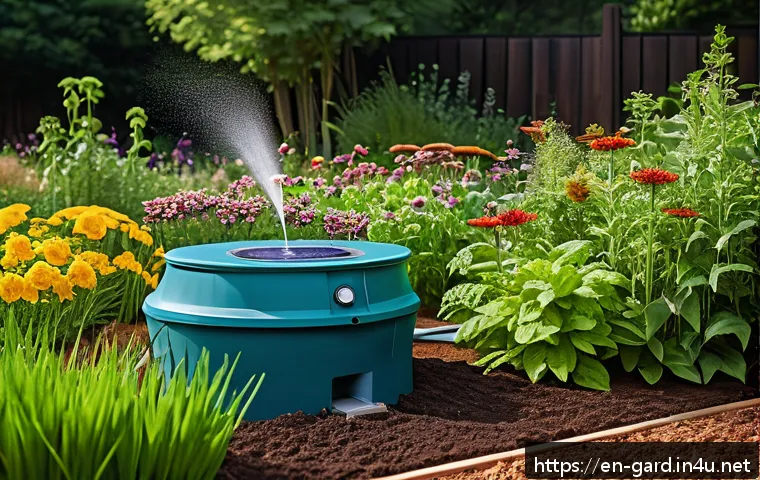
Drip irrigation and soaker hoses deliver water directly to the root zone, minimizing waste and promoting healthy growth. These systems can be connected to your rainwater storage, ensuring that every drop counts.
Setting up a timer can automate the process, ensuring consistent watering even when you’re busy or away. Personally, using drip irrigation cut my water usage in half compared to traditional sprinklers, and my plants looked happier with less leaf wetness.
Mulching to Retain Soil Moisture
Adding a layer of mulch around your plants helps retain soil moisture by reducing evaporation. Organic mulches, like straw or wood chips, also improve soil health as they decompose.
Mulching around your rainwater-irrigated beds creates a microenvironment that supports moisture retention and reduces the need for frequent watering. I noticed that after mulching, my soil stayed moist for days, even during a dry spell, which was a pleasant surprise.
Innovative Techniques for Enhancing Rainwater Use
Rain Gardens for Natural Filtration and Storage
Rain gardens are shallow depressions planted with native vegetation that absorb and filter rainwater runoff. They not only reduce the burden on your storage system but also improve water quality by filtering pollutants.
Setting up a rain garden near your vegetable beds can provide supplemental moisture and support beneficial insects. I built a small rain garden last year, and it has become a lively habitat while helping manage excess water naturally.
Using Greywater Systems Alongside Rainwater
Greywater, or gently used household water from sinks and showers, can complement rainwater harvesting to meet garden needs sustainably. With proper filtration and treatment, greywater can irrigate non-edible plants safely.
Combining these two water sources reduces reliance on municipal water. I experimented with a simple greywater setup for my herb garden, and it worked surprisingly well, especially during dry months.
Smart Sensors and Automation for Water Efficiency
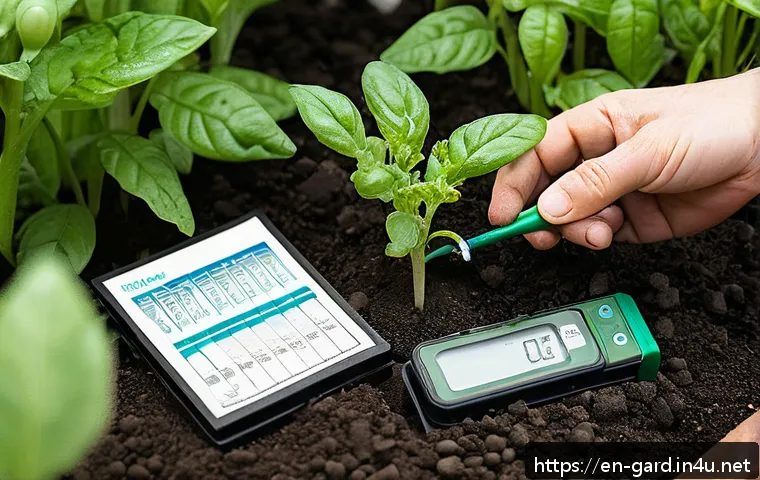
Integrating moisture sensors and automated valves into your irrigation setup ensures plants get water precisely when needed. These smart systems prevent overwatering and save your stored rainwater for times of real need.
While the initial investment is higher, the long-term savings and healthier plants are worth it. After installing soil moisture sensors, I no longer worry about guessing when to water, and my garden’s vitality has improved noticeably.
Cost-Effective Solutions for Small-Scale Gardeners
DIY Rain Barrels Using Repurposed Materials
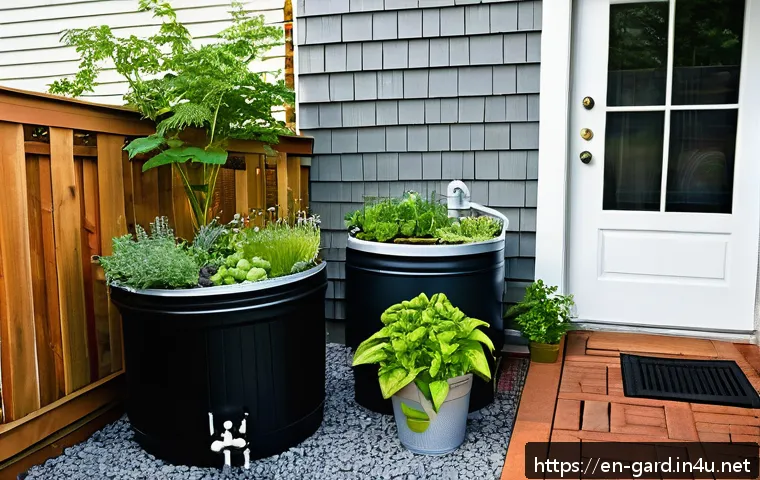
Creating your own rain barrels from repurposed containers is an affordable way to start harvesting rainwater. Food-grade barrels, trash cans, or even large buckets can be modified with spigots and screens.
I crafted a rain barrel from an old plastic drum and was amazed at how much water I could collect during a single rainstorm. It’s a rewarding project that’s easy on the wallet and the environment.
Utilizing Portable Water Storage for Flexibility
Portable water tanks or collapsible containers allow you to move stored rainwater to different parts of your garden as needed. This flexibility is especially useful for gardens with varied water demands or multiple zones.
I often fill a portable tank and wheel it around to areas that need extra attention, which saves time and effort compared to hauling buckets.
Simple Rainwater Diverters for Downspout Collection
Installing a rainwater diverter in your downspout is a simple upgrade that channels water directly into your barrels while allowing overflow to pass safely.
These devices are inexpensive and easy to install, making them ideal for beginner gardeners. I added a diverter last season and found it prevented overflow messes and optimized my collection without fuss.
Understanding Local Regulations and Incentives
Checking Legal Restrictions on Rainwater Harvesting
Before installing rainwater collection systems, it’s important to understand local laws, as regulations vary widely. Some regions encourage rainwater harvesting with no restrictions, while others impose limits or require permits.
I spent a weekend researching my county’s guidelines and was relieved to find a straightforward approval process, which made installation smoother.
Exploring Rebates and Financial Incentives
Many municipalities and water districts offer rebates or tax incentives to encourage sustainable water use. These programs can offset the cost of tanks, pumps, and irrigation equipment.
I applied for a local rebate and received a significant discount on my rainwater system components, which motivated me to expand my setup.
Community Programs and Educational Resources
Joining local gardening clubs or sustainability groups can connect you with resources, workshops, and shared expertise. These communities often organize bulk purchases of equipment or provide hands-on training.
I joined a neighborhood group focused on water conservation, and their monthly meetings helped me troubleshoot issues and learn new techniques I hadn’t considered.
Comparing Rainwater Storage Options for Garden Use
| Storage Type | Capacity | Material | Cost Range | Maintenance Level | Ideal Use |
|---|---|---|---|---|---|
| Plastic Rain Barrels | 50-100 gallons | Food-grade plastic | $50 – $150 | Low | Small gardens, beginners |
| Fiberglass Cisterns | 500-2000 gallons | Fiberglass | $500 – $3000 | Medium | Medium to large gardens |
| Metal Tanks | 100-1000 gallons | Galvanized steel or aluminum | $200 – $1200 | Medium | Durable, clean water collection |
| Concrete Tanks | 1000+ gallons | Concrete | $1000 – $5000+ | High | Permanent installations, large-scale |
Tips for Seasonal Rainwater Management
Preparing Your System for Winter
In colder climates, freezing temperatures can damage tanks and pipes. Draining and storing portable containers indoors, insulating exposed pipes, or using heated tank wraps helps prevent cracks and bursts.
I learned this the hard way when a hose froze last winter, so now I’m proactive about winterizing my system.
Maximizing Storage During Rainy Seasons
During heavy rains, it’s easy for storage to overflow if capacity is limited. Using overflow valves that divert excess water to rain gardens or infiltration trenches protects your system and garden.
I installed an overflow pipe that channels water to a nearby swale, preventing flooding and enriching the soil naturally.
Adjusting Water Use in Dry Periods
During droughts, rationing stored rainwater becomes essential. Prioritize watering new seedlings and high-value plants, and reduce watering frequency for established plants.
Mulching and shading beds help conserve moisture. I keep a watering journal to track usage and adjust my routine accordingly, which has saved water and kept my garden resilient.
Integrating Rainwater Harvesting into Sustainable Gardening Practices
Combining Rainwater Use with Composting
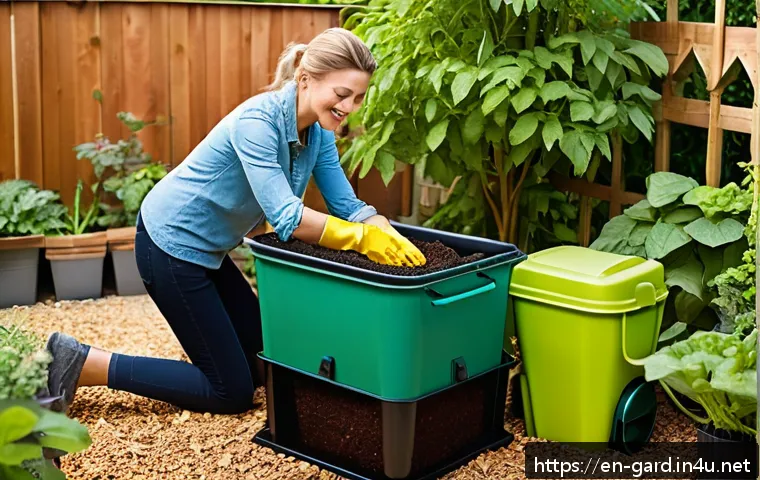
Moistening compost piles with harvested rainwater accelerates decomposition and produces richer soil amendments. Using rainwater instead of tap water avoids adding chlorine or other chemicals to your compost.
I noticed my compost broke down faster after switching to rainwater, which boosted my garden’s fertility.
Supporting Pollinators with Rainwater-fed Plants
Healthy plants grown with rainwater produce more flowers, attracting bees, butterflies, and other pollinators essential for a thriving ecosystem. By nurturing these beneficial insects, you support biodiversity and improve crop yields.
Watching butterflies visit my rainwater-irrigated flower beds has been one of the most rewarding parts of gardening.
Reducing Carbon Footprint Through Water Conservation
Using rainwater reduces dependence on municipal water supplies, which often require energy-intensive treatment and pumping. Every gallon harvested contributes to lowering your garden’s environmental impact.
Knowing that my garden runs partly on rainwater makes me feel like I’m doing my bit for the planet, and that sense of stewardship is incredibly fulfilling.
Conclusion
Designing an efficient rainwater collection system for your garden not only conserves water but also supports healthier plants and a more sustainable environment. By choosing the right materials, maintaining water quality, and using smart watering techniques, you can maximize the benefits of harvested rainwater. Incorporating innovative solutions and understanding local regulations further enhances your system’s effectiveness. With a little planning and care, rainwater harvesting becomes an invaluable part of your gardening routine.
Helpful Information to Remember
1. Regularly clean your catchment surfaces and gutters before the rainy season to prevent debris buildup and maintain water quality.
2. Use first-flush diverters and fine mesh screens on storage tanks to keep water clean and free from mosquitoes and algae.
3. Water your garden during early morning or late evening to reduce evaporation and stress on plants.
4. Mulching helps retain soil moisture and reduces the frequency of watering, especially during dry spells.
5. Check local laws and explore available rebates or incentives to make your rainwater harvesting project more affordable and compliant.
Key Takeaways
Efficient rainwater harvesting requires thoughtful system design, including selecting appropriate catchment surfaces and storage containers tailored to your garden’s needs. Maintaining water quality is essential to prevent pests and ensure plant health. Smart irrigation methods, such as drip systems and moisture sensors, optimize water use and save resources. Seasonal adjustments protect your system from weather extremes, while integrating rainwater use with sustainable gardening practices enhances overall ecosystem health. Always stay informed about local regulations and financial incentives to support your efforts.
Frequently Asked Questions (FAQ) 📖
Q: uestions about Rainwater Harvesting for Your GardenQ1: How much rainwater can I realistically collect for my garden?
A: The amount of rainwater you can harvest depends largely on your roof size and local rainfall patterns. For example, a 1,000 square foot roof can collect about 600 gallons of water from just one inch of rain.
This can significantly reduce your reliance on municipal water for garden irrigation, especially during dry spells. I’ve personally noticed that even a small rain barrel placed strategically can supply enough water for a few raised beds during the growing season.
Q: What are the best storage options for harvested rainwater?
A: Choosing the right storage depends on your garden size and budget. Common options include rain barrels, large storage tanks, and underground cisterns.
Rain barrels are easy to install and great for small to medium gardens, while larger tanks can support more extensive landscaping. In my experience, using food-grade containers and covering them to prevent mosquito breeding and algae growth helps maintain water quality, which is crucial for healthy plants.
Q: How can I ensure the harvested rainwater benefits my plants the most?
A: To maximize the benefits, use rainwater for deep, infrequent watering rather than light, frequent sprays. This encourages roots to grow deeper, making plants more drought-resistant.
Also, consider installing drip irrigation systems connected to your rainwater storage for efficient water delivery. I’ve found that combining rainwater harvesting with mulching and soil improvement dramatically boosts plant health and reduces overall water use.