Gardening enthusiasts are more curious than ever about optimizing their home gardens, especially with the growing trend toward sustainable and organic practices.
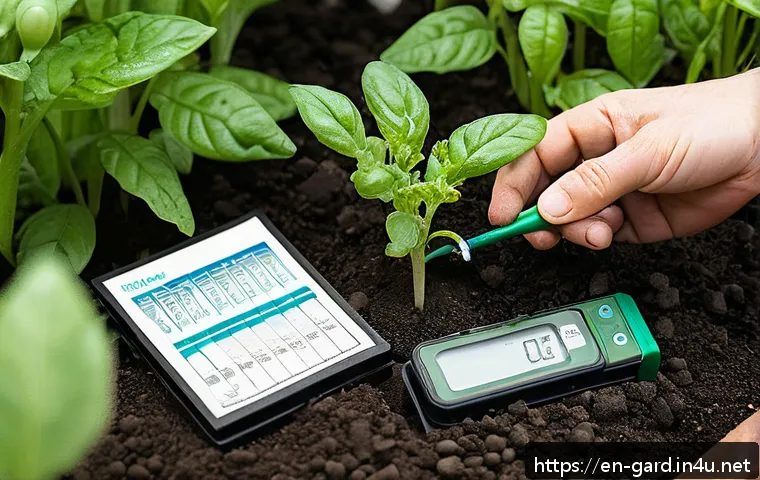
Lately, many have discovered that understanding soil health is the secret to thriving plants and bountiful harvests. That’s where top soil testing kits come into play—offering a simple yet powerful way to unlock your garden’s full potential.
Whether you’re a seasoned gardener or just starting out, knowing exactly what’s in your soil can transform your green space. In this post, we’ll explore the best soil testing kits that every gardener should consider trying today to nurture healthier plants and enjoy more rewarding gardening experiences.
Let’s dive into how these tools can make a real difference in your garden’s success.
Understanding Soil Nutrient Levels for Optimal Plant Growth
Why Testing for Macronutrients Matters
When it comes to growing healthy plants, knowing the levels of nitrogen (N), phosphorus (P), and potassium (K) in your soil is crucial. These macronutrients fuel plant growth, root development, and flower production.
From my experience, a simple soil test kit that measures N-P-K can reveal deficiencies that explain why certain crops may be struggling. For example, if your tomato plants have yellowing leaves, it might be a nitrogen shortage.
Testing helps you avoid guesswork and apply the right fertilizer at the right time, saving money and boosting yields.
The Role of Secondary and Micronutrients
Beyond the big three, elements like calcium, magnesium, sulfur, and trace minerals such as iron and zinc play vital roles in plant health. Many kits don’t test these, but some advanced kits do.
I’ve noticed that when calcium is low, fruits like peppers develop blossom end rot. Using a testing kit that covers these nutrients helps address subtle problems before they become visible, promoting stronger, more resilient plants.
It’s like giving your garden a full health checkup rather than just a quick glance.
How pH Levels Affect Nutrient Availability
Soil pH influences how well plants can absorb nutrients. Even if your soil is rich in nutrients, if the pH is off—too acidic or too alkaline—plants can’t access them efficiently.
I’ve personally seen how adjusting pH with lime or sulfur based on soil test results can transform a lackluster garden into a thriving one. Most soil testing kits include pH measurement, and this insight is invaluable for selecting the right amendments and crop varieties suited to your garden’s chemistry.
Comparing Popular Soil Testing Kits for Home Gardeners
Ease of Use and Result Accuracy
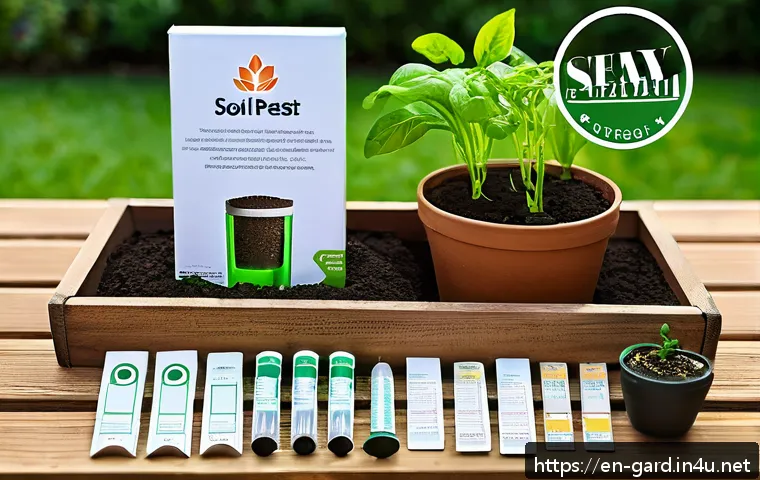
Some kits are incredibly user-friendly, offering color-coded charts that make interpreting results straightforward even for beginners. Others require sending samples to a lab but provide more detailed, professional reports.
In my trial of various kits, I found that at-home kits are great for quick checks and immediate adjustments, while lab tests give you a deep dive into soil composition, ideal for serious gardeners planning seasonal crop rotations.
Cost Considerations and Value
Price ranges vary widely—from under $20 for basic kits to over $100 for comprehensive lab analyses. While it might be tempting to go for the cheapest option, I learned that investing a bit more can save you time and guesswork down the line.
A mid-range kit often strikes the best balance of cost and information, allowing you to tackle nutrient deficiencies effectively without breaking the bank.
Turnaround Time and Reporting Formats
If you want instant results, kits with color charts or digital meters provide feedback within minutes. Lab tests usually take several days but often include recommendations tailored to your soil.
When I needed quick fixes for my raised beds, the instant kits were lifesavers. But for my larger vegetable garden, I preferred lab reports that came with detailed amendment plans.
Interpreting Soil Test Results to Make Smart Amendments
Reading Nutrient Levels and What They Mean
When you get your soil test back, the numbers can seem overwhelming. But understanding which values are low, sufficient, or excessive is key. For instance, if phosphorus is low, root growth and flowering will be poor, so you might add bone meal or rock phosphate.
I always keep a notebook to track results season by season—it’s amazing how your soil changes over time and how small tweaks can lead to big improvements.
Adjusting Soil pH for Different Plants
Certain plants prefer specific pH ranges—blueberries love acidic soil, while most vegetables thrive near neutral. Using your soil test’s pH data, you can amend accordingly: lime to raise pH or sulfur to lower it.
From my experience, adjusting pH gradually over months yields better results than trying to fix it all at once, which can shock plants.
Choosing Organic vs. Synthetic Amendments
Once you know what your soil needs, deciding between organic options like compost, manure, and rock minerals or synthetic fertilizers depends on your gardening philosophy.
I lean toward organic amendments because they improve soil structure and microbial life long-term. However, synthetic fertilizers can deliver nutrients quickly when plants are in critical growth stages.
Soil test results help balance these choices for both immediate and lasting benefits.
How Soil Testing Enhances Sustainable Gardening Practices
Reducing Chemical Overuse
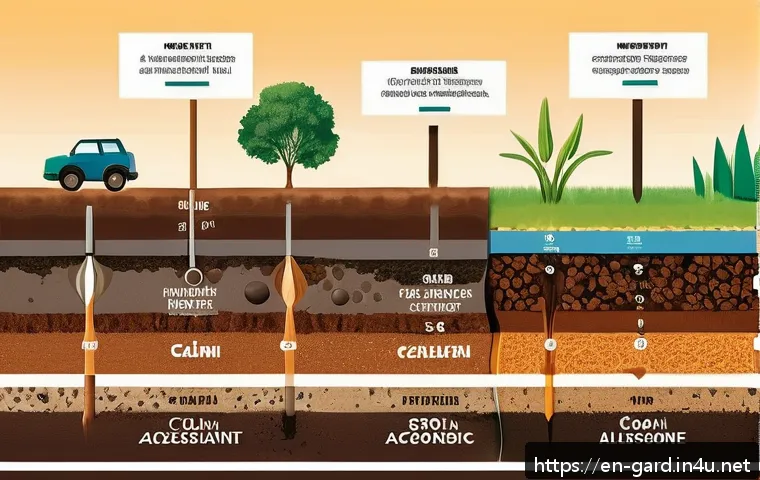
Over-fertilizing is a common problem that harms soil health and local ecosystems. Soil testing prevents this by pinpointing exactly what’s needed, so you avoid dumping excess nutrients that can runoff into waterways.
I noticed that after using test kits, my fertilizer usage dropped significantly, yet my plants looked healthier than ever. This precision approach supports sustainable gardening and saves money.
Promoting Soil Biodiversity
Healthy soil teems with beneficial microbes that support plant health. By testing and improving soil conditions, you create an environment where these organisms thrive.
I’ve seen that soil amended based on test results tends to retain moisture better and resist pests naturally, reducing the need for pesticides.
Supporting Organic Certification and Compliance
For gardeners aiming for organic certification or simply wanting to adhere to organic standards, soil testing is often a requirement. Detailed test results document your commitment to soil health and help guide organic-approved amendments.
Even if you’re not certified, this practice aligns with responsible gardening ethics and builds trust with your local community.
Key Features to Look for When Choosing a Soil Test Kit
Range of Nutrient Analysis
The best kits measure a broad spectrum of nutrients rather than just N-P-K. Look for kits that include secondary and micronutrients, especially if you grow a diverse range of plants.
From my experience, a more comprehensive test prevents surprises and helps maintain balanced soil fertility.
User Support and Resources
Some companies provide excellent customer support, including detailed guides, videos, and personalized advice based on your results. I found that kits with these extras make the learning curve much easier and more enjoyable, especially for beginners.
Portability and Sample Size Requirements
If you garden in multiple locations or want to test soil from different beds separately, a kit that requires only small soil samples is more convenient.
Also, compact kits are great for gardeners with limited storage or those who want to test on the go.
Practical Tips for Getting the Most Accurate Soil Test Results
How and When to Collect Soil Samples
Collecting soil samples properly is critical. I recommend taking samples from several spots within your garden bed, mixing them thoroughly, and testing the composite sample.
Avoid sampling right after fertilizing or watering heavily, as this can skew results. Spring or fall sampling works best because soil conditions are more stable.
Storing and Handling Samples
Keep samples dry and avoid contamination. Use clean containers and label each sample clearly if testing multiple areas. I learned the hard way that mixing soil with debris or moisture can lead to unreliable readings, so taking care at this step saves frustration.
Interpreting and Acting on Test Feedback
Once you receive results, don’t rush to amend. Take time to understand the recommendations and consider your garden’s unique conditions. I like to cross-reference results with plant symptoms and seasonal plans before applying amendments.
This thoughtful approach leads to better long-term soil health and plant performance.
Summary of Recommended Soil Testing Kits
| Kit Name | Type | Nutrient Range | Price Range | Turnaround Time | Best For |
|---|---|---|---|---|---|
| Soil Savvy | Lab Analysis | N-P-K, pH, Micronutrients | $70 – $90 | 5-7 Days | Serious gardeners, detailed reports |
| Rapitest Digital Meter | Instant At-Home | N-P-K, pH | $25 – $40 | Immediate | Quick checks, beginners |
| Environmental Concepts 1662 | At-Home Kit | N-P-K, pH | $15 – $25 | Immediate | Budget-friendly, basic testing |
| LaMotte Garden Kit | At-Home Kit | N-P-K, pH, Organic Matter | $40 – $60 | Immediate | Organic gardeners, broader testing |
| Home Soil Test Kit by Luster Leaf | At-Home Kit | N-P-K, pH | $20 – $35 | Immediate | General purpose, easy use |
In Conclusion
Understanding your soil’s nutrient levels is key to cultivating healthy, productive plants. By testing regularly, you gain valuable insights that help tailor fertilization and amendments to your garden’s specific needs. Whether you choose a quick at-home kit or a detailed lab analysis, informed decisions lead to stronger plants and better yields. Taking the time to interpret results carefully ensures sustainable growth and a thriving garden season after season.
Helpful Tips to Remember
1. Always collect soil samples from multiple spots in your garden to get an accurate overall picture.
2. Avoid testing immediately after fertilizing or heavy watering to prevent skewed results.
3. Consider both macronutrients and micronutrients for a complete understanding of soil health.
4. Adjust soil pH gradually over time to avoid stressing your plants.
5. Use soil test results to balance organic and synthetic amendments for both quick and long-term benefits.
Key Takeaways
Regular soil testing empowers gardeners to optimize nutrient management, avoid over-fertilization, and support sustainable practices. Choosing the right testing kit depends on your budget, desired level of detail, and gardening goals. Proper sample collection and careful interpretation of results are essential steps for success. Ultimately, soil testing fosters healthier plants, improves yields, and contributes to a more environmentally responsible garden.
Frequently Asked Questions (FAQ) 📖
Q: uestions about Top Soil Testing KitsQ1: How accurate are home soil testing kits compared to professional lab tests?
A: Home soil testing kits have improved significantly over the years, offering surprisingly reliable results for common soil parameters like pH, nitrogen, phosphorus, and potassium levels.
While they might not capture every micronutrient or trace element as precisely as a professional lab, they provide enough information for most gardeners to make informed decisions.
From my experience, these kits are great for quick assessments and ongoing monitoring, especially when combined with occasional lab tests for a deeper dive.
Q: How often should I test my garden soil using these kits?
A: For most home gardeners, testing soil at least once a year is a good practice, ideally in early spring before planting. If you’re dealing with new garden beds, suspect nutrient imbalances, or trying to troubleshoot plant health issues, testing more frequently—like twice a year—can be beneficial.
Personally, I test my soil every season to track changes and adjust my fertilization and amendment plans accordingly. Regular testing helps prevent nutrient deficiencies and promotes sustainable gardening.
Q: Can soil testing kits help me transition to organic gardening?
A: Absolutely! Soil testing kits are invaluable when shifting to organic practices because they help you understand the baseline fertility and pH of your soil without relying on synthetic inputs.
By knowing exactly what your soil needs, you can choose organic amendments like compost, bone meal, or green manures more effectively. I found that using these kits gave me confidence to reduce chemical fertilizers gradually while maintaining vibrant plant growth and improving soil health naturally.
It’s a practical step toward sustainable gardening success.