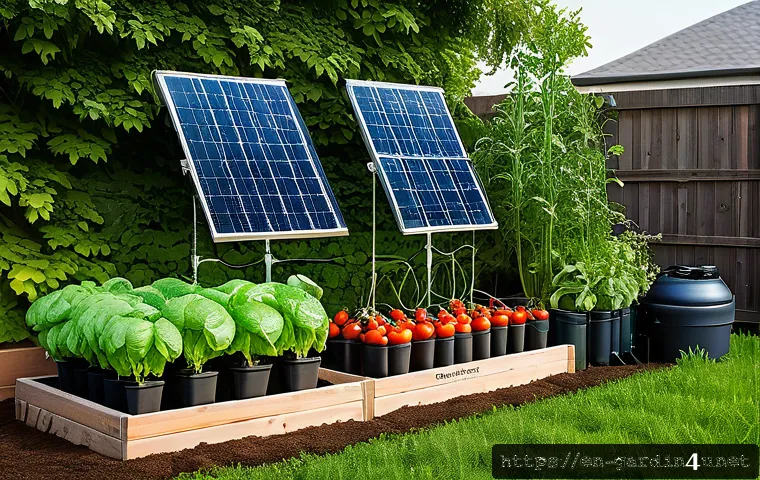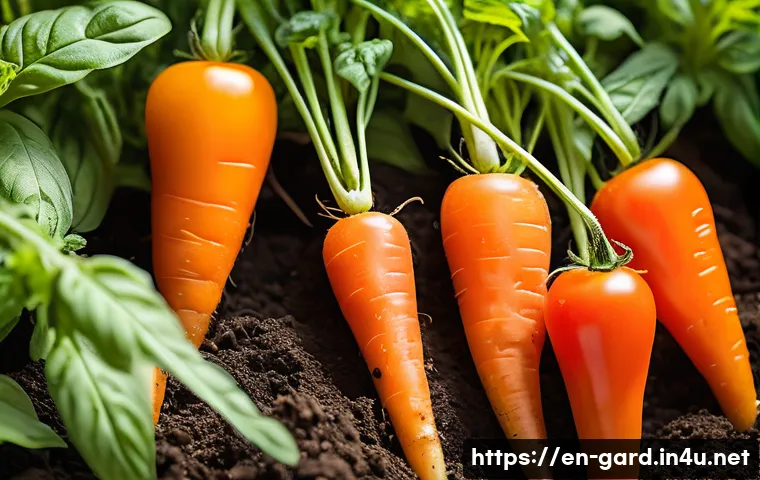
Creating a thriving garden isn’t just about planting your favorite vegetables; it’s about knowing which crops grow best side by side. Properly arranging your plants can boost their growth, reduce pests, and improve overall yield.
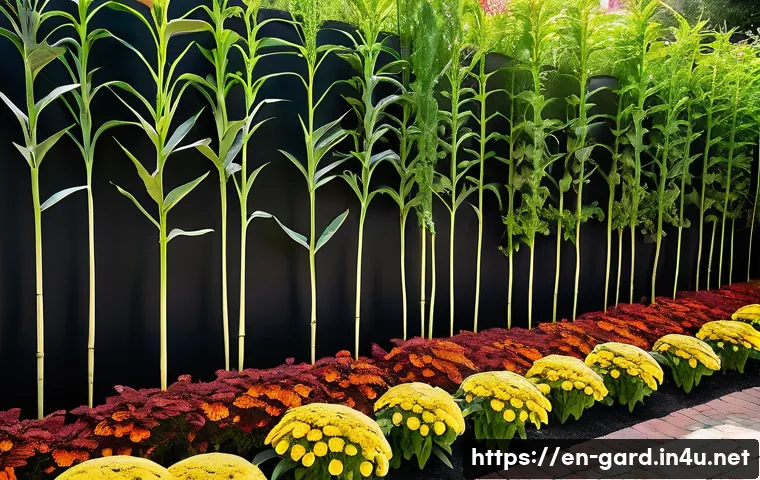
From tomatoes and basil to carrots and onions, each plant has unique needs and benefits when paired thoughtfully. Understanding these relationships can transform your backyard into a productive oasis.
Let’s dive into the best crop placement strategies so you can get the most out of your garden this season! We’ll explore everything in detail below.
Maximizing Plant Compatibility for Healthier Growth
Choosing Companions That Complement Each Other
When you think about planting, it’s easy to just pick your favorites and toss them in the ground. But the magic happens when you pair plants that actually help one another thrive.
For example, tomatoes and basil aren’t just delicious together on your plate—they also grow better side by side. Basil helps repel pests like aphids and improves tomato flavor, while tomatoes provide a bit of shade, keeping basil from wilting in intense sun.
I’ve tried this combo in my garden, and the difference in tomato yield was noticeable. It’s about creating a mini ecosystem where each plant supports the other’s needs.
Plants That Deter Pests and Attract Beneficial Insects
Some plants are natural pest repellents, and planting them near more vulnerable crops can save you from chemical sprays. Marigolds, for instance, are famous for deterring nematodes and other pests.
On the other hand, flowering herbs like dill and fennel attract ladybugs and lacewings, which feast on aphids and other harmful insects. In my experience, planting these flowers alongside vegetables like cucumbers and squash significantly reduced pest problems.
It’s a win-win: fewer bugs eating your crops and more pollinators buzzing around.
Balancing Nutrient Needs and Root Zones
Not all plants compete for the same nutrients or occupy the same soil depth. Pairing deep-rooted crops like carrots with shallow-rooted ones such as lettuce allows both to access soil resources without crowding.
This reduces competition and often results in bigger, healthier vegetables. I once planted onions and carrots together, and both grew exceptionally well because onions have shallow roots while carrots dive deeper.
This strategy also helps with soil aeration and nutrient cycling, ultimately boosting garden productivity.
Optimizing Sunlight and Shade Through Strategic Layout
Understanding Light Requirements for Different Crops
Sunlight is a precious resource in the garden, and not every plant needs the same amount. Leafy greens like spinach and lettuce thrive in partial shade, while fruiting plants like peppers and tomatoes demand full sun to produce abundantly.
I learned this the hard way when my early tomato seedlings struggled because they were shaded by taller plants. By rearranging the layout to place taller crops on the north side and shade-tolerant ones in their shadow, I maximized light exposure for each plant’s needs, leading to healthier growth overall.
Using Taller Plants to Protect Delicate Ones
Some plants can act as natural shade providers for others. Corn, for example, can serve as a living trellis for pole beans while offering shade to crops that don’t tolerate direct sunlight well.
This not only saves space but also creates microclimates that reduce water evaporation from the soil, keeping it moist longer. I often combine corn, beans, and squash in what’s called the “Three Sisters” method, which has been a game-changer in my garden, especially during hot summer months.
Arranging Crops Based on Growth Height and Spread
It’s easy to overlook how much room a plant needs above ground. Crowding tall plants too close to shorter ones can stunt the smaller crops by blocking airflow and sunlight.
Giving each plant enough space based on its mature height and spread is essential. When I first started gardening, I packed my beds too tightly, and my zucchinis struggled to grow.
Spreading them out in the next season improved air circulation and sunlight penetration, leading to healthier plants and fewer disease issues.
Enhancing Soil Health with Thoughtful Crop Rotation
Breaking Pest and Disease Cycles Naturally
Rotating crops year after year is one of the best ways to keep soil healthy and prevent pests and diseases from becoming entrenched. For instance, planting legumes like beans or peas after heavy feeders like tomatoes can replenish nitrogen levels in the soil, benefiting the next crop.
I rotate my beds every season and have noticed fewer pest outbreaks and better soil structure, which means less effort on my part and bigger harvests.
Choosing Crop Families for Effective Rotation
Grouping plants by family—such as nightshades (tomatoes, peppers), brassicas (cabbage, broccoli), and root vegetables (carrots, beets)—helps you plan rotations that reduce disease risk.
Moving crops from one family to another spot each year prevents soil depletion specific to certain nutrients and disrupts pest life cycles. This approach requires a bit of planning but pays off by maintaining a vibrant, disease-resistant garden.
Incorporating Cover Crops to Boost Soil Fertility
Cover crops like clover, rye, or vetch planted during the off-season add organic matter and fix nitrogen, enriching the soil for the next planting cycle.
I’ve started adding clover between my main crop seasons, and the improvement in soil texture and fertility is impressive. Cover crops also protect the soil from erosion and suppress weeds, which means less maintenance and healthier plants come spring.
Leveraging Vertical Gardening for Space Efficiency
Selecting Climbers and Vining Plants
Using vertical space is a clever way to fit more crops into a limited garden area. Plants like pole beans, cucumbers, and peas are natural climbers and do well on trellises or fences.
When I added vertical supports in my backyard, not only did I gain more growing space, but I also improved air circulation around the plants, reducing fungal problems.
Plus, harvesting becomes easier when fruits hang off the ground.
Pairing Vertical Crops with Ground Cover Plants
Combining tall, climbing plants with low-growing ground covers can maximize yield and protect soil. For example, planting strawberries or bush beans beneath tall tomatoes creates a lush, multi-layered garden bed.
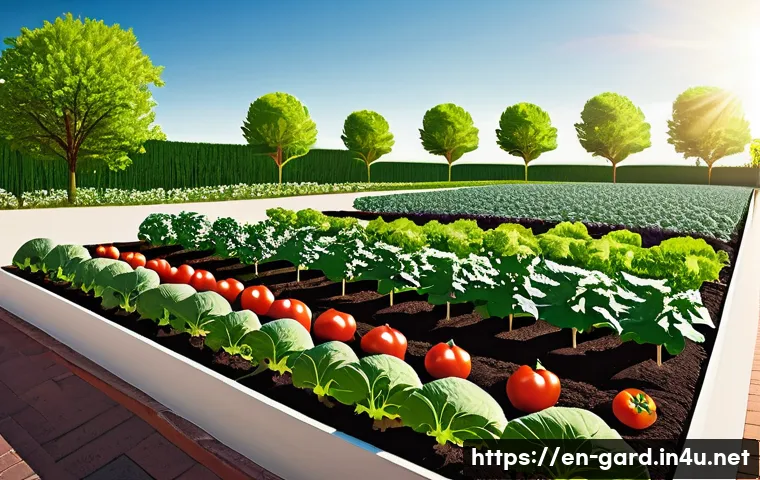
This layering helps retain moisture and suppress weeds. I’ve found that this method keeps my garden beds healthier and more productive without needing to expand the footprint.
Managing Watering and Sunlight in Vertical Setups
Vertical gardens sometimes dry out faster because of increased exposure to wind and sun. I’ve learned to water more frequently and mulch at the base to retain moisture.
Also, placing vertical structures where they don’t shade shorter plants excessively is key. This balance ensures all plants get enough water and light to thrive, making vertical gardening both efficient and sustainable.
Utilizing Herbs and Flowers to Boost Crop Performance
Herbs That Enhance Growth and Flavor
Certain herbs don’t just add flavor to your dishes—they also have benefits when grown alongside vegetables. Basil, rosemary, and thyme are great examples; they emit scents that confuse pests and may even improve the taste of nearby plants.
I always plant basil near my tomatoes, and I swear the tomatoes taste sweeter. Beyond flavor, these herbs attract pollinators, which can increase fruit set.
Flowers That Attract Beneficial Pollinators and Predators
Including flowers such as calendula, nasturtiums, and sunflowers can attract bees, butterflies, and predatory insects that help control pests. For example, nasturtiums act as a trap crop for aphids, drawing them away from your main vegetables.
In my garden, adding a few flowering borders has led to a noticeable increase in pollination and a drop in pest damage, which means less time spent spraying or handpicking bugs.
Companion Planting for Pest Control and Soil Health
Integrating flowers and herbs into your vegetable beds creates biodiversity, which helps maintain a balanced ecosystem. This diversity reduces the risk of any one pest overwhelming your garden and can improve soil health through varied root structures.
I’ve experienced fewer pest problems since introducing mixed plantings, and the garden just feels more vibrant and alive.
Creating a Crop Placement Blueprint for Your Garden
Assessing Your Garden’s Microclimates
Every garden has little zones that vary in sunlight, wind exposure, and moisture. Observing these microclimates helps you decide where each crop will do best.
For example, a spot that stays cooler and shadier might be perfect for spinach or lettuce, while sunnier, drier spots suit peppers or eggplants. I recommend spending a week tracking sun patterns and soil moisture before planting to make informed decisions.
Mapping Crop Groups and Rotation Plans
Sketching your garden layout and grouping crops by their needs simplifies rotation and companion planting. I use simple paper maps and color-code plant families, which helps me visualize where to place crops year after year.
This planning ensures you don’t accidentally plant the same family in the same spot, reducing disease risk and improving soil health.
Using Tables to Organize Plant Pairings and Spacing
Keeping track of which plants grow well together and their spacing requirements can get complicated. A well-organized table helps you plan efficiently and avoid overcrowding.
Below is a handy reference table that summarizes compatible plant pairings and recommended spacing, which I personally use to design my garden beds each season.
| Crop | Best Companion Plants | Plants to Avoid Nearby | Recommended Spacing |
|---|---|---|---|
| Tomatoes | Basil, Carrots, Onions | Potatoes, Corn | 18-24 inches |
| Carrots | Onions, Leeks, Peas | Dill, Parsley | 3-4 inches |
| Basil | Tomatoes, Peppers | Rue | 12 inches |
| Onions | Carrots, Beets, Lettuce | Peas, Beans | 4-6 inches |
| Beans (Pole) | Corn, Cucumbers | Onions, Garlic | 4-6 inches |
Closing Thoughts
Maximizing plant compatibility is a rewarding approach that transforms your garden into a thriving, balanced ecosystem. By thoughtfully pairing plants, optimizing sunlight and soil health, and using space wisely, you can boost growth and reduce pest problems naturally. From my own gardening experience, these strategies not only improve yields but also make the process more enjoyable and sustainable.
Useful Tips to Remember
1. Always observe how plants interact in your garden before finalizing your layout—it helps prevent overcrowding and competition for resources.
2. Incorporate pest-repelling plants and pollinator attractors to minimize chemical use and encourage biodiversity.
3. Rotate crops annually based on plant families to maintain healthy soil and break pest cycles.
4. Use vertical gardening techniques to maximize limited space and improve air circulation.
5. Map your garden’s microclimates and plan plant placement accordingly to meet each crop’s light and moisture needs.
Key Takeaways for Successful Gardening
Effective garden planning hinges on understanding plant compatibility, light requirements, and soil dynamics. Pairing complementary plants supports growth and pest control, while crop rotation and cover crops maintain soil vitality. Strategic use of vertical space and careful mapping of microclimates ensures efficient resource use and healthier crops. Embracing these principles leads to a resilient garden that produces abundant, flavorful harvests with less effort.
Frequently Asked Questions (FAQ) 📖
Q: What are the best companion plants to grow with tomatoes for a healthy garden?
A: Tomatoes thrive when planted alongside basil, which not only enhances their flavor but also repels pests like aphids and whiteflies. Marigolds are another excellent companion as they deter nematodes and other harmful insects.
Onions and garlic can also be beneficial, providing natural pest control without competing for nutrients. From my own experience, planting basil near tomatoes created a noticeable improvement in both plant health and harvest size, while keeping unwanted bugs at bay.
Q: How can proper crop placement help reduce pest problems in my garden?
A: Proper crop placement disrupts pest cycles by mixing plants that pests dislike or that attract beneficial insects. For example, planting carrots near onions can confuse pests because the strong onion smell masks the carrot scent.
Additionally, flowers like nasturtiums attract aphids away from more valuable crops. When I started interspersing these plants, I saw fewer pest outbreaks and needed fewer chemical treatments, which made gardening more enjoyable and eco-friendly.
Q: Are there any vegetables I should avoid planting next to each other?
A: Yes, some plants don’t get along and can stunt each other’s growth or attract the same pests. For instance, planting beans near onions or garlic can hinder bean growth.
Similarly, potatoes and tomatoes should be kept apart because they are susceptible to similar diseases like blight. I learned this the hard way after planting beans too close to onions and seeing a poor yield.
Keeping incompatible plants apart helps ensure each crop reaches its full potential.