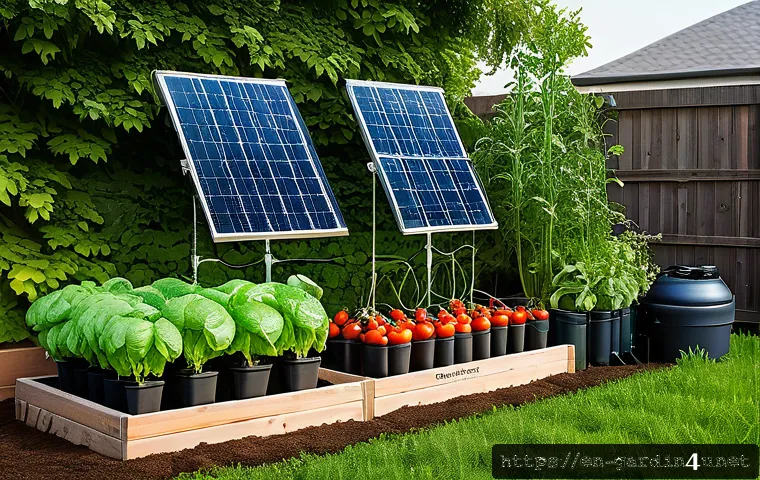
Is there anything more satisfying than stepping into your own backyard, seeing vibrant greens thriving, and plucking fresh, delicious produce right when you need it?
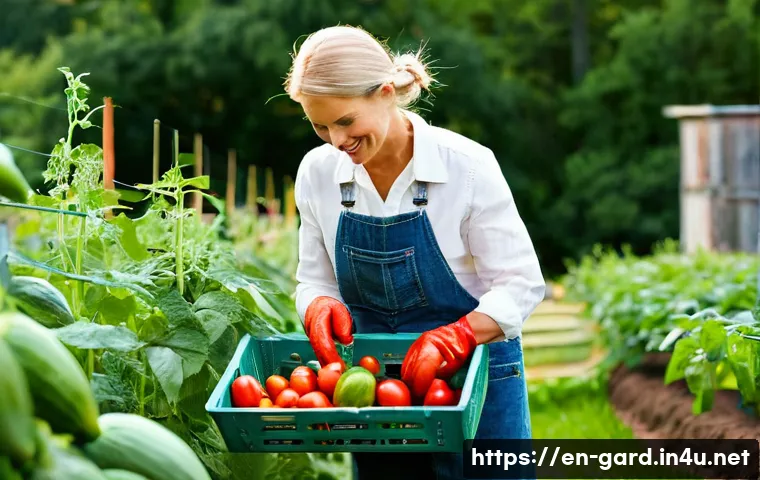
I’ve personally found that few things beat the taste of a homegrown tomato or the joy of a crisp, hand-picked lettuce. For too long, we’ve been disconnected from where our food comes from, relying on long supply chains that often leave us wondering about freshness and sustainability.
But what if I told you there’s a growing movement that’s changing all that, right in our own neighborhoods? It’s not just a trend; it’s a profound shift towards self-sufficiency, community connection, and truly understanding what nourishes us.
Lately, I’ve been diving deep into how backyard gardening and the local food movement are not only transforming our plates but also offering surprising benefits for our well-being and even helping us adapt to a changing climate.
From cutting down food miles and reducing carbon footprints to boosting mental health, these movements are proving to be so much more than just hobbies.
They’re about reclaiming a vital connection to the earth and to each other. I’ve seen firsthand how a small plot can foster immense pride and even spark incredible community initiatives.
This isn’t just about growing food; it’s about cultivating a richer, more resilient lifestyle, and it’s a journey I genuinely believe everyone can embark on.
Have you ever stopped to think about how far your dinner traveled to get to your plate? Or perhaps you’ve felt that nagging desire to get your hands dirty, to grow something beautiful and edible right outside your door?
The world of backyard gardening and the burgeoning local food movement offers a fantastic answer to both, bringing freshness, flavor, and a powerful sense of community right to you.
It’s truly incredible how these practices are blossoming, moving beyond simple hobbies to become essential parts of a more sustainable and fulfilling future for us all.
Let’s delve into what makes these movements so vital and exciting right now. I’ll definitely share all the details!
Embracing the Garden Life: A Personal Journey to Freshness
The Unbeatable Taste of Homegrown
Honestly, if you’ve never tasted a tomato still warm from the sun, picked moments before it hits your salad, you are truly missing out on one of life’s simplest yet most profound pleasures.
I remember the first time I grew heirloom tomatoes, a variety called ‘Brandywine’, and the flavor was just explosive, a million times better than anything I’d ever bought from the grocery store.
It wasn’t just sweet; it had this incredible depth and complexity, a truly authentic taste of summer. That experience totally hooked me on backyard gardening.
It’s not just about the novelty; it’s about reclaiming flavor, texture, and a freshness that often gets lost in the journey from industrial farm to supermarket shelf.
When you grow your own, you’re not sacrificing ripeness for transportability; you’re letting nature do its thing, allowing fruits and vegetables to develop their full potential.
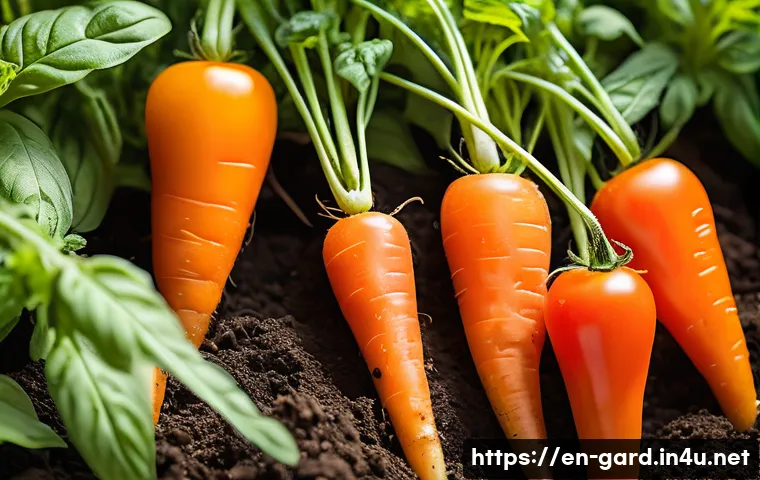
And let me tell you, once you start, there’s no going back. The crunch of a freshly picked cucumber, the vibrant sweetness of garden carrots – these are experiences that connect you directly to the earth and the seasons in a way that pre-packaged produce simply can’t.
From Seed to Plate: My First-Hand Experience
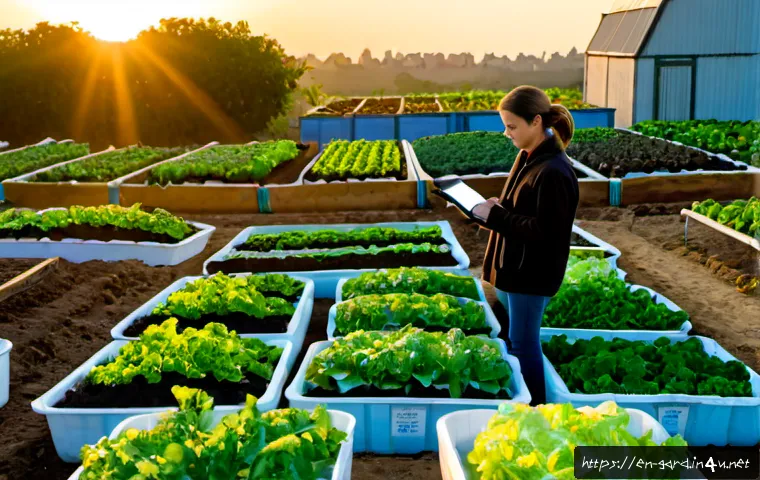
My gardening journey started small, with just a couple of raised beds in a sunny corner of my yard. I was a total novice, armed with more enthusiasm than actual knowledge, but eager to learn.
The internet, friends, and local garden centers became my invaluable mentors. I remember the sheer excitement of seeing the first tiny sprouts emerge from the soil – it felt like a miracle!
There were definitely challenges, of course. Pests became a persistent battle, and I had my share of wilting plants and failed harvests. But each setback was a learning opportunity, pushing me to understand my soil better, to research companion planting, or to try a new organic pest control method.
One year, I almost gave up when a late frost wiped out half my pepper plants, but seeing the survivors bounce back and eventually yield a decent harvest was incredibly rewarding.
It taught me resilience, patience, and the profound satisfaction of nurturing something from a tiny seed to a nourishing meal. This hands-on experience, the dirt under my fingernails, the daily observations of nature’s rhythm – it’s transformative, making you appreciate every single bite on your plate that much more.
Unpacking the Local Food Movement: Why It Matters Now More Than Ever
Cutting Down Food Miles and Carbon Footprints
Have you ever stopped to consider the journey your food takes before it reaches your plate? It’s mind-boggling when you actually think about it. Most of our conventional produce travels hundreds, if not thousands, of miles, often across continents, using significant amounts of fossil fuels for transportation.
This creates what we call ‘food miles’, and these miles contribute heavily to our global carbon footprint. The local food movement, whether it’s through farmers’ markets, community-supported agriculture (CSA) boxes, or growing your own, dramatically slashes these distances.
When I buy from my local farmer, I know that lettuce was probably picked that morning, just a few miles down the road. This direct supply chain means less fuel burned, fewer emissions released, and a significantly smaller environmental impact.
It’s a tangible way we can all contribute to a healthier planet, making choices that feel good not just for our bodies, but for our conscience too. Choosing local isn’t just a trend; it’s a responsible, impactful decision that truly makes a difference in the fight against climate change.
Supporting Local Growers and Economies
Beyond the environmental benefits, the local food movement is a powerful economic engine for our communities. When you purchase food from a local farmer, that money stays within your community, circulating and supporting other local businesses.
It strengthens the local economy, fosters entrepreneurship, and creates jobs right where you live. I’ve seen firsthand how a bustling farmers’ market can revitalize a town square, becoming a vibrant hub for social interaction and commerce.
It allows small family farms, often struggling against large agribusinesses, to thrive and continue their vital work. It’s more than just a transaction; it’s an investment in the people who work hard to feed us and in the character of our neighborhoods.
As a consumer, I feel a real sense of connection and purpose knowing that my dollars are directly helping my neighbors and building a more resilient, self-sufficient local food system.
It’s a win-win situation for everyone involved, and it just makes so much sense.
Cultivating More Than Just Crops: The Community Connection
Sharing the Harvest and Knowledge
One of the most heartwarming aspects of both backyard gardening and the local food movement is the incredible sense of community it fosters. I remember a particularly bountiful year when my zucchini plants went absolutely wild, producing far more than my family could ever eat.
Instead of letting it go to waste, I started leaving bags of fresh zucchini on my neighbors’ porches, and soon, I was receiving jars of homemade jam from one, and a basket of fresh eggs from another.
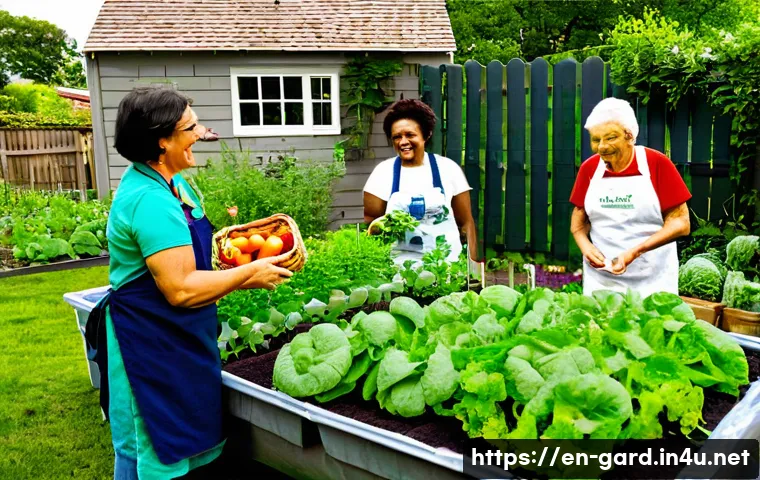
It sparked such wonderful conversations and connections! Community gardens, in particular, are incredible examples of this. People from all walks of life come together, sharing tools, expertise, and the literal fruits (and vegetables!) of their labor.
It’s a beautiful exchange of knowledge, where experienced gardeners mentor newcomers, and everyone learns from each other’s successes and challenges. This shared passion creates bonds that go far beyond the garden fence, building stronger, more connected neighborhoods where people look out for one another.
Building Resilient Neighborhoods Through Food
In an increasingly uncertain world, the ability for communities to feed themselves locally is an invaluable asset. Relying solely on vast, complex global supply chains can leave us vulnerable to disruptions, whether from natural disasters, economic downturns, or other unforeseen events.
The local food movement and backyard gardening significantly enhance a community’s resilience. By decentralizing food production and empowering individuals and local farmers to grow more, we create a more robust and adaptable food system.
I’ve seen community leaders organize seed-saving initiatives, sharing heritage seeds that are well-suited to local climates, ensuring food security for future generations.
This focus on local resilience isn’t just about preparing for emergencies; it’s about building a fundamentally stronger, more self-reliant society that can better weather any storm.
There’s something incredibly empowering about knowing your community has the skills and resources to nourish itself, come what may.
A Boost for Body and Mind: The Wellness Benefits of Gardening
Stress Relief and Outdoor Therapy
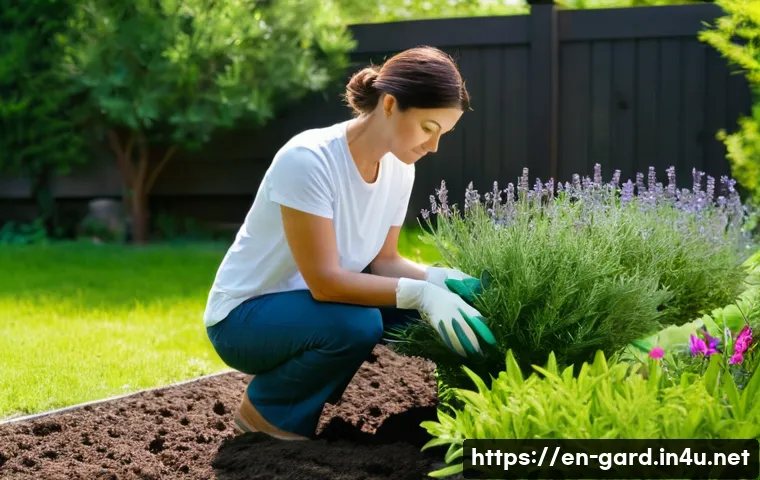
Honestly, for me, stepping into my garden after a long, stressful day is like hitting a reset button. There’s something incredibly therapeutic about getting my hands dirty, feeling the soil, and focusing on the simple, tangible task of nurturing plants.
The gentle rhythm of weeding, watering, and pruning is a fantastic antidote to the digital noise of modern life. It forces you to be present, to slow down, and to connect with nature’s pace.
I’ve found that even just 30 minutes in the garden can significantly reduce my stress levels and improve my mood. It’s not just anecdotal either; studies have shown that exposure to soil bacteria (specifically *Mycobacterium vaccae*) can actually boost serotonin levels, acting as a natural antidepressant.
Plus, the fresh air and sunshine (hello, Vitamin D!) are fantastic for overall well-being. It’s my personal slice of paradise, a place where worries melt away, and a sense of calm takes over.
Nutritional Powerhouses Right at Your Doorstep
Let’s talk about the incredible nutritional advantages of homegrown produce. When you grow your own, or source from local farms, the food is often harvested at its absolute peak ripeness.
This isn’t just about taste; it means the fruits and vegetables have accumulated their maximum amount of vitamins, minerals, and antioxidants. Conventional produce, on the other hand, is frequently picked unripe to withstand long transport times, meaning it often hasn’t fully developed its nutritional potential.
Plus, the speed from harvest to plate in a backyard garden minimizes nutrient degradation, which starts happening the moment produce is picked. I’ve noticed a significant improvement in my family’s overall health since we started incorporating more homegrown food into our diet.
The vibrant colors and intense flavors are a clear sign of the goodness packed within, and knowing exactly how your food was grown gives you immense peace of mind.
It’s like having a personalized, organic grocery store just steps away.
Smart Choices for Your Wallet and the Planet: Sustainable Living
Reducing Waste and Saving Money
Beyond the delicious taste and health benefits, backyard gardening and embracing local food can be surprisingly kind to your wallet and incredibly impactful in terms of reducing waste.
Think about all the plastic packaging that comes with supermarket produce – the clamshells, the bags, the wraps. When you grow your own, or buy from a local farmer, you can significantly cut down on this plastic waste, opting for reusable bags or simply carrying your harvest straight into your kitchen.
And the savings? They can add up quickly! While there’s an initial investment in seeds, soil, and tools, over time, producing your own fresh vegetables and herbs can be far more economical than buying them at retail prices, especially for organic options.
I’ve personally saved a pretty penny on lettuce and herbs alone, as those are things we use daily and tend to be quite pricey at the store. Plus, any surplus can be preserved through canning, freezing, or drying, further extending your savings and reducing food waste.
Adapting to a Changing Climate with Home Gardening
The world is changing, and with it, our climate. This brings challenges, but also opportunities for adaptation, and local food systems are a huge part of that.
Home gardening, in particular, empowers individuals to become more self-sufficient and adaptable. By learning to grow a diverse range of crops, we can choose varieties that are more resilient to changing weather patterns, like drought-tolerant plants or those that thrive in slightly warmer temperatures.
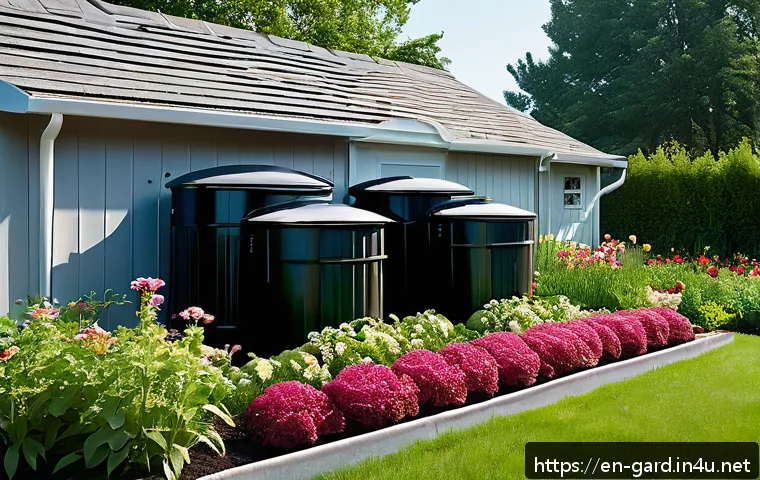
Furthermore, healthy garden soil, rich in organic matter, is a fantastic carbon sink, helping to sequester atmospheric carbon. Rainwater harvesting for irrigation and composting kitchen scraps to enrich the soil are all small, yet significant, steps we can take at home to contribute to a more sustainable and climate-resilient future.
It’s about taking proactive steps, right in your own backyard, to build a more secure and environmentally friendly way of life for yourself and generations to come.
| Feature | Conventional Produce | Homegrown / Local Produce |
|---|---|---|
| Origin & Journey | Often thousands of miles, multiple distributors. | Directly from your garden or nearby farms. |
| Freshness & Flavor | Harvested unripe, travels long distances, lower nutritional density. | Picked at peak ripeness, vibrant taste, higher nutrient content. |
| Environmental Impact | High carbon footprint from transportation, packaging, industrial farming. | Minimal transportation, reduced packaging, sustainable practices. |
| Chemical Exposure | Potential for pesticides, herbicides, and artificial ripeners. | You control inputs; often organic or natural methods. |
| Community & Economy | Supports large corporations, less direct local impact. | Strengthens local economies, fosters community bonds. |
Getting Started: Your First Steps Towards a Thriving Backyard Oasis
Choosing the Right Spot and Easy-to-Grow Veggies
Feeling inspired to dig in? That’s fantastic! Starting a backyard garden doesn’t have to be overwhelming.
My number one piece of advice for beginners is to start small and choose the right spot. Most vegetables need at least 6-8 hours of direct sunlight per day, so scout out the sunniest part of your yard.
Don’t feel like you need a huge plot right away; a few containers on a sunny patio or a small raised bed are perfect for getting your feet wet. As for what to grow, I always recommend starting with “easy wins” – crops that are generally forgiving and produce reliably.
Things like lettuce, spinach, radishes, cherry tomatoes, and bush beans are fantastic choices. They grow relatively quickly, giving you that satisfying sense of accomplishment early on, which is so motivating!
I remember my first successful batch of radishes; they were ready in just a few weeks, and it felt like pure magic. Don’t be afraid to experiment, but definitely begin with plants that offer a higher chance of success to build your confidence.
Nurturing Your Soil and Planning Your Harvest
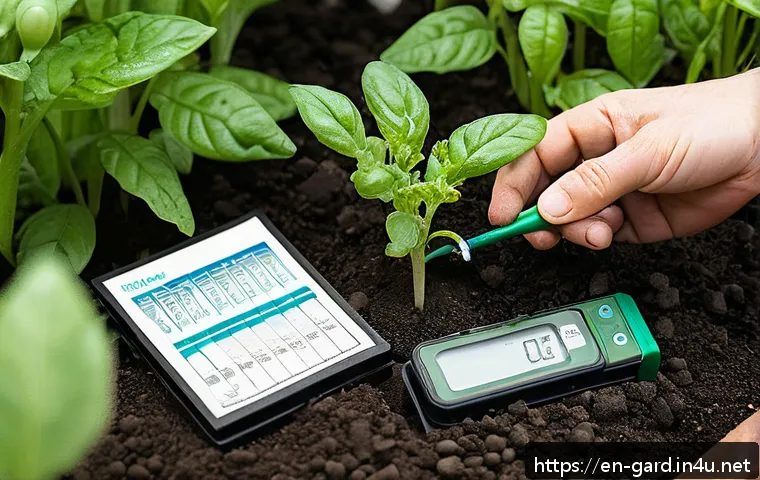
Once you’ve picked your spot and your first crops, the next crucial step is focusing on your soil. Seriously, healthy soil is the foundation of a thriving garden!
Don’t just plant in whatever dirt you have; investing in good quality compost and organic matter will pay dividends in the long run. I always amend my beds with a fresh layer of compost each spring, and the difference in plant vigor is incredible.
It’s like feeding your plants a superfood blend! Another key tip for beginners is to do a little planning. Think about what you love to eat and how much space you have.
Succession planting, where you sow small batches of seeds every few weeks, is a brilliant way to ensure a continuous harvest of leafy greens throughout the season rather than a massive glut all at once.
For instance, I plant a new row of lettuce every two weeks, so we always have fresh salad greens. This mindful approach to gardening transforms it from a chore into a delightful and productive hobby, allowing you to enjoy the freshest flavors from your own backyard oasis for months on end.
Closing Thoughts
And so, as we wrap up this journey through the world of homegrown goodness and the vibrant local food movement, I hope you feel as inspired as I always do. There’s something truly magical about connecting with our food, whether it’s the thrill of harvesting your first ripe tomato from your own backyard or the joy of a friendly chat with a farmer at your local market. It’s more than just sustenance; it’s a profound act of self-care, environmental stewardship, and community building all rolled into one. My own experiences have shown me time and again that these choices don’t just nourish our bodies, but they feed our souls, connect us to nature, and strengthen the bonds that make our neighborhoods truly special. So, whether you’re planning your first herb pot or looking to deepen your involvement in local agriculture, remember that every small step makes a big difference. Let’s embrace this journey together, one delicious, conscious bite at a time.
Useful Information to Know
1. Start Small and Simple: Don’t feel pressured to create a massive garden overnight. Begin with a few easy-to-grow plants in containers or a small raised bed, like lettuce, radishes, or cherry tomatoes. Building confidence with early successes is key.
2. Prioritize Healthy Soil: Think of your soil as the foundation of your garden. Investing in good quality compost and organic matter will dramatically improve plant health, yield, and resilience. Healthy soil also helps sequester carbon.
3. Explore Your Local Farmers’ Market: Even if you don’t garden, frequenting your local farmers’ market is a fantastic way to access fresh, seasonal produce, support local economies, and reduce your carbon footprint. It’s also a wonderful community hub.
4. Consider Companion Planting: Some plants grow better together, naturally deterring pests or enhancing growth. For instance, basil can improve the flavor of tomatoes, and marigolds can keep nematodes away. A quick search can reveal great pairings for your chosen crops.
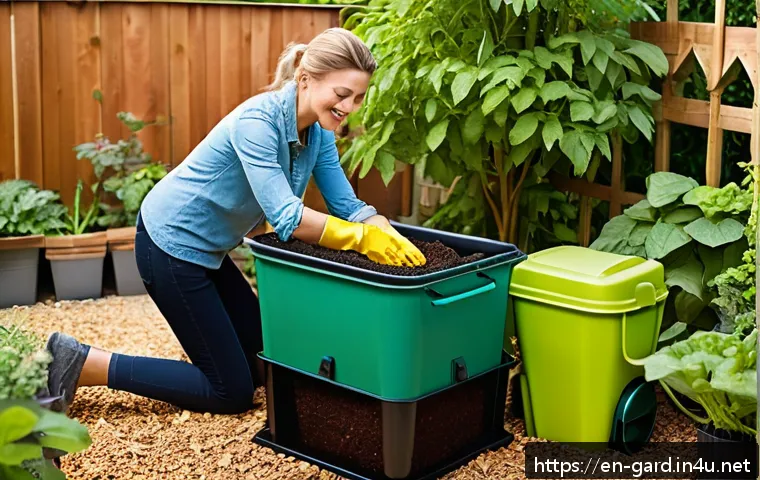
5. Embrace Composting for Zero Waste: Turn your kitchen scraps and yard waste into nutrient-rich compost. This not only diverts waste from landfills but also provides free, organic fertilizer for your garden, creating a truly circular system.
Key Takeaways
My journey into the garden life has taught me that the benefits extend far beyond just fresh produce. Firstly, the unparalleled freshness and flavor of homegrown or local food are a game-changer for your culinary experience and overall nutrition. I’ve found that the vibrant taste is a direct result of peak ripeness and minimal travel. Secondly, this movement is a powerful force for environmental sustainability, drastically cutting down on food miles, reducing plastic waste, and promoting healthier soil practices. It’s a tangible way we can all contribute to a greener planet. Thirdly, the local food movement significantly boosts local economies and fosters incredible community connections, creating resilient neighborhoods where people share knowledge, resources, and harvests. Finally, from a personal well-being standpoint, gardening offers immense stress relief and mental health benefits, providing a calming connection to nature and a sense of accomplishment that is truly therapeutic. It’s an investment in your health, your community, and our shared future, one delicious, sustainable choice at a time.
Frequently Asked Questions (FAQ) 📖
Q: I’m a complete beginner! Is backyard gardening really for me, and how do I even start without getting totally overwhelmed?
A: Oh, I totally get that feeling! Trust me, I was there too, staring at my empty patch of yard thinking, “Where do I even begin?” But here’s the wonderful truth: backyard gardening IS absolutely for everyone, no matter how green (or not-so-green) your thumb feels right now.
What I’ve personally found is that the biggest hurdle is just getting started, and you don’t need to transform into a master gardener overnight. My advice?
Start small, really small. Instead of dreaming of a massive vegetable patch, try just a couple of easy-to-grow plants in pots, like herbs such as basil or mint, or even a cherry tomato plant.
They’re surprisingly resilient and seeing those first few leaves emerge, or that first little tomato ripen, is an incredible morale boost – you’ll feel like a total superhero!
Focus on understanding a few basics: how much sunlight your chosen spot gets, ensuring good drainage, and picking plants that thrive in your local climate.
There are tons of fantastic online resources and even local gardening groups where you can ask those “silly” questions (trust me, no question is silly when you’re learning!).
It’s a journey, not a race, and the joy of picking something you grew yourself, even if it’s just a handful of lettuce leaves, is truly unmatched. You’ll quickly discover it’s less about having a perfect garden and more about the simple, satisfying process of nurturing life.
Q: Beyond just fresh veggies, what are the real benefits of growing my own food and joining the local food movement that I might not be thinking about?
A: That’s such an insightful question because the benefits really do ripple out way beyond just having a tasty salad! From my own experience, one of the most profound impacts has been on my mental well-being.
There’s something incredibly therapeutic about getting your hands in the soil, watching things grow, and just being present in nature. It’s a fantastic stress reliever – seriously, try weeding for 20 minutes and tell me you don’t feel calmer!
I’ve found it to be a wonderful form of gentle exercise too, and that connection to the earth often sparks a deeper appreciation for where our food comes from, making us more mindful eaters.
Then, when you connect with the local food movement, that’s where the community magic truly happens. Imagine swapping extra tomatoes with a neighbor for their incredible zucchini, or visiting a farmers’ market where you can chat directly with the person who grew your food.
It creates this beautiful web of connection, supporting local economies, fostering new friendships, and building a more resilient, self-sufficient community.
I’ve seen firsthand how a community garden can bring people from all walks of life together, sharing knowledge and laughter. It’s not just about food; it’s about cultivating a healthier, happier, and more connected lifestyle for everyone involved.
Q: How does this all actually help the planet and make a difference in the bigger picture of environmental sustainability?
A: This is a question I’m incredibly passionate about, because the environmental impact is huge and often underestimated! When you grow your own food, even a little, you’re drastically cutting down on “food miles” – that’s the distance your food travels from farm to plate.
Think about it: no massive trucks burning fuel to transport your lettuce from across the country or even another continent. That alone significantly reduces your carbon footprint.
Plus, local food systems, whether it’s your backyard or a nearby farm, often rely on more sustainable practices, meaning less pesticide use and better soil health, which is absolutely critical for our planet’s future.
I’ve noticed a real emphasis on biodiversity in local farming, where a greater variety of crops are grown, which is fantastic for local ecosystems and pollinators like bees.
And let’s not forget about reducing waste! When you pick exactly what you need from your garden, there’s less food rotting in landfills. For me, it’s not just about feeling good; it’s about making tangible, positive changes every day.
By embracing backyard gardening and supporting local food initiatives, we’re collectively building a more sustainable food system that respects our planet, one delicious, homegrown bite at a time.
It truly makes a significant difference, and it’s something we can all be proud to be a part of.