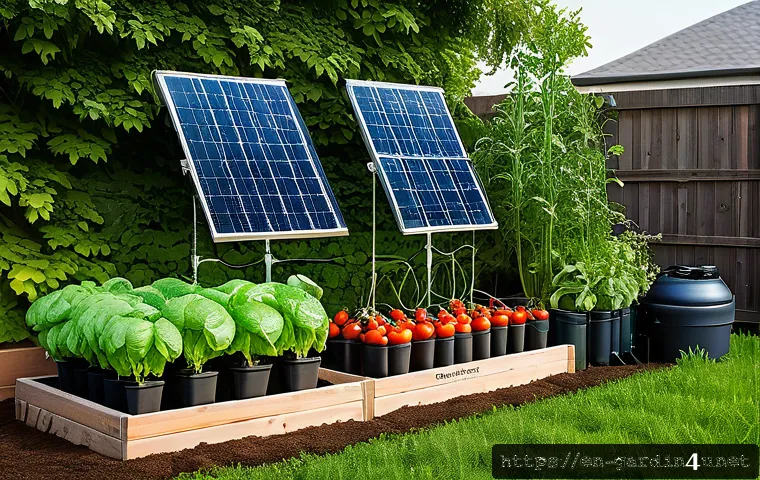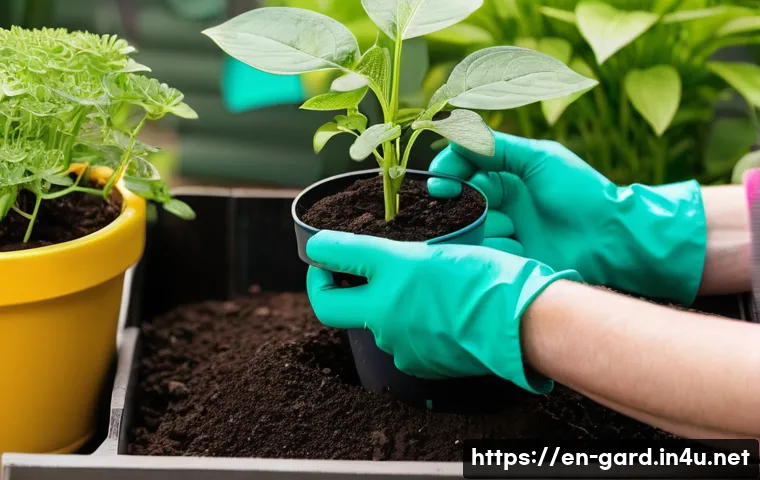
Gardening has always been my happy place, a serene escape from the daily hustle. But let’s be real, sometimes our ambition outweighs our space, or perhaps our aging backs simply can’t handle the heavy-duty machinery anymore.
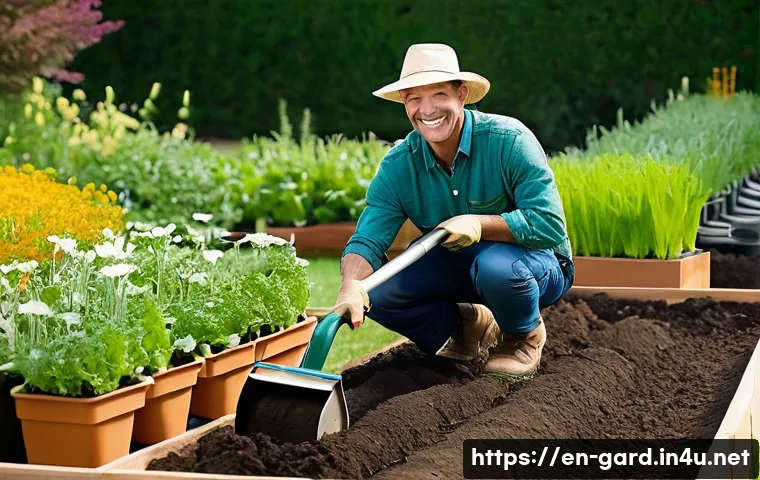
That’s exactly why I became obsessed with discovering the best mini gardening tools out there. They’re not just cute; they’re incredibly mighty, transforming small patches and container gardens into thriving oases without all the back-breaking effort.
I’ve spent countless hours digging, planting, and pruning with various gadgets, and I’m thrilled to share my personal favorites that truly make a difference.
From ergonomic hand tools that save your wrists to ingenious battery-powered marvels that make quick work of tough jobs, these little heroes are game-changers for anyone passionate about cultivating their own green space, big or small.
If you’re tired of bulky equipment and yearning for more efficient, enjoyable gardening, then you’re in for a treat. Let’s dive in and uncover the must-have mini gardening tools that will revolutionize your routine!
Here’s the deal: I’m always on the hunt for ways to make gardening more accessible and less of a chore, and honestly, the right tools make all the difference.
We’ll talk about everything from the latest lightweight cultivators to innovative pruning shears that feel like an extension of your hand. I’ve personally put many of these to the test in my own backyard and patio container garden, and trust me, some of these tiny titans pack a surprising punch.
We’ll explore how these smartly designed tools aren’t just a trend; they’re a practical necessity for modern gardeners, helping you achieve professional-looking results with minimal fuss.
So, if you’re ready to upgrade your gardening game and enjoy every moment in the soil, you’ve come to the right place. Let’s get into the specifics and find out exactly which mini gardening tools deserve a spot in your shed!
Ergonomic Hand Tools: Your Wrists Will Thank You
Okay, let’s be honest. One of the biggest reasons many of us start to dread gardening, especially as we get a little older or our gardens get more intricate, is the sheer physical toll it can take. Those old, clunky tools? They’re a real pain, literally. That’s why I’ve become a total evangelist for ergonomic hand tools. I mean, my wrists and hands used to ache after a long session of planting or weeding, but ever since I switched to smartly designed mini tools, it’s a game-changer. These aren’t just for show; they’re engineered to fit comfortably in your hand, reducing strain and making those hours in the garden fly by. From what I’ve experienced, a good ergonomic grip, often with soft, non-slip material, makes all the difference, allowing me to garden longer and with much less fatigue. It feels almost luxurious to use tools that work with your body, not against it, letting you focus on the joy of cultivation instead of the impending soreness. Trust me, investing in these is like giving your hands a spa day while still getting all your chores done. They genuinely transform the gardening experience from a chore into a comfortable, almost meditative activity, helping you connect with your plants on a deeper level without the nagging discomfort. Plus, they look rather chic hanging in the shed!
The Mighty Mini Trowel: Small But Powerful
When I first started dabbling in container gardening, I thought any old trowel would do. Boy, was I wrong! A mini trowel, specifically one with a narrow head and a comfortable, ergonomic handle, has become my absolute go-to. I personally found that wider trowels were constantly damaging delicate roots in crowded pots or raised beds, but these smaller versions? They’re precise. I’ve used them for everything from transplanting tiny seedlings with surgical accuracy to digging out stubborn weeds nestled right up against my prized petunias without disturbing them. The balance in a good mini trowel is also something I’ve come to appreciate; it just feels right in your hand, allowing for controlled movements that larger tools simply can’t offer. It truly feels like an extension of my hand when I’m working with it, allowing for an intuitive connection with the soil. Don’t underestimate its small size; it can tackle a surprising amount of work.
Precision Pruners for Delicate Work
There’s nothing quite as satisfying as a clean cut when you’re pruning, and for smaller plants, herbs, or even deadheading flowers, a pair of precision pruners is non-negotiable. I used to wrestle with bulky bypass shears that were overkill for my patio tomatoes, often crushing stems instead of cleanly cutting them. But these mini pruners, often with spring-loaded mechanisms, are a dream. They fit perfectly in my palm, giving me incredible control. I’ve found them invaluable for shaping my bonsai, trimming back unruly herbs, or even harvesting delicate lettuces without bruising them. The sharp, thin blades get into tight spots that larger shears just can’t reach, ensuring I can maintain the aesthetic and health of my plants without causing unnecessary stress. It makes the task feel less like a chore and more like an art form, allowing for detailed, meticulous care that really shows in the vibrancy of your garden. Seriously, once you try them, you’ll wonder how you ever managed without such accurate tools.
Power Up Your Plot: Battery-Operated Wonders
Alright, let’s talk about taking some of the muscle work out of gardening. While I adore the meditative calm of hand tools, there are times, especially when I’m dealing with a slightly larger area or some particularly stubborn growth, that a little extra oomph is precisely what’s needed. That’s where battery-operated mini tools completely steal the show. I was initially skeptical, thinking they’d be underpowered or their batteries wouldn’t last, but modern technology has really stepped up. I’ve been incredibly impressed with how efficiently and effectively these compact powerhouses tackle tasks that would otherwise have me huffing and puffing. They’re lightweight, surprisingly powerful, and the freedom of not being tethered to an outlet is just… liberating! It means I can easily move from the front yard beds to the back patio without dragging extension cords, which is a huge plus for someone like me who loves to potter around without interruption. They allow you to get more done in less time, freeing up those precious moments for admiring your hard work rather than just laboring over it. It’s a smart investment for anyone looking to make their gardening a bit more effortless and enjoyable.
Lightweight Tillers for Small Spaces
Preparing soil can be a real back-breaker, especially if you’re working with new beds or trying to integrate a lot of compost. I remember one season trying to turn over a new raised bed by hand, and by the end of it, I felt like I’d run a marathon! That’s when I discovered mini, battery-powered tillers. They are absolutely brilliant for small vegetable patches, flower beds, or even aerating large containers. These aren’t the heavy-duty monsters your grandad used; they’re compact, surprisingly nimble, and incredibly effective at breaking up compacted soil and mixing in amendments. From my own experience, they save so much time and physical strain, making the initial setup of a garden bed or seasonal refresh a breeze. The feeling of seeing perfectly tilled, airy soil in minutes instead of hours is just pure satisfaction. It genuinely makes garden prep something I look forward to, rather than dread, allowing me to spend more energy on the fun part: planting!
Cordless Shears for Effortless Trimming
Trimming hedges, shaping shrubs, or even just keeping unruly growth in check used to involve either a lot of manual snipping (which tired my hands out quickly) or hauling out a heavy, corded trimmer. Then came the cordless shears, and honestly, they’ve revolutionized my outdoor maintenance. I use a smaller, battery-powered set specifically designed for lighter tasks, and they are fantastic. They make quick work of small branches, errant shoots, and shaping my ornamental shrubs without any of the strain. The ability to just grab them and go, without hunting for an outlet, has meant I keep on top of my trimming far more regularly. It’s like having an extra pair of super-strong, tireless hands helping you out. They’re also much quieter than their gas-powered counterparts, which my neighbors (and my ears) definitely appreciate. My garden always looks neat and tidy now, and I barely break a sweat doing it!
Smart Watering Solutions for Compact Gardens
Watering. It sounds simple, right? Just grab a hose or a watering can. But anyone with a thriving container garden or a densely planted small space knows that getting water exactly where it needs to go, without waste or over-saturating, can be a real art. Over the years, I’ve experimented with countless methods, and I’ve really zeroed in on smart watering solutions that save both water and my precious time. It’s not just about convenience; it’s about providing your plants with consistent, appropriate hydration, which, from my experience, is key to their health and vigorous growth. Especially during those scorching summer weeks, when you feel like you’re constantly battling dehydration, having a reliable and efficient system in place can mean the difference between flourishing greenery and wilting disappointment. These clever tools ensure every drop counts, making your gardening efforts more sustainable and your plants happier. It’s truly a testament to how small innovations can make a massive impact on daily routines.
Drip Systems for Containers
If you’re like me and have a collection of potted plants on your patio or balcony, you know the daily struggle of hand-watering each one. It’s time-consuming, and frankly, I often worried I was either underwatering or creating a muddy mess. Enter the mini drip system, and oh my goodness, what a revelation! I installed a simple, small-scale drip irrigation kit designed for containers last spring, and it completely transformed my watering routine. Each plant gets a slow, steady supply of water directly to its roots, minimizing evaporation and runoff. From my observation, my plants have never looked healthier, and I’m spending a fraction of the time on watering. Plus, I can link it to a timer, which means my plants are perfectly hydrated even when I’m away for a weekend. It’s a fantastic investment for peace of mind and thriving plants, allowing you to enjoy your garden rather than constantly fretting over its hydration levels. Seriously, it’s changed my whole approach to container care.
Innovative Watering Wands
For those times when a drip system isn’t practical or you need to give a specific plant a little extra attention, a well-designed watering wand is indispensable. I’ve used standard nozzles before, but they often deliver too strong a spray, washing away soil or damaging delicate seedlings. The best mini watering wands I’ve found offer multiple spray patterns, from a gentle shower perfect for newly planted seeds to a steady stream for deeper watering around established plants. I particularly love the ones with a soft-grip handle and an on/off switch right at your thumb, making it incredibly easy to control the flow without constantly walking back to the faucet. It really helps you be precise and gentle, ensuring that precious water goes exactly where it’s needed, nourishing your plants without causing stress. It feels like you’re giving your plants a personalized drink, tailored to their individual needs, which truly enhances their growth.
The Unsung Heroes: Specialized Support Tools
Beyond the obvious digging and pruning tools, there’s a whole world of specialized mini gardening gadgets that might seem minor at first glance, but they absolutely elevate your gardening game. These are the items that often get overlooked, but once you start using them, you realize how much easier and more efficient they make specific tasks. I’m talking about those clever little helpers that address common gardening frustrations, transforming tricky jobs into simple steps. From precisely placing tiny seeds to keeping your workspace clean, these tools are designed to streamline your efforts and maximize your success, especially in smaller, more intricate garden settings. They embody the spirit of working smarter, not harder, allowing you to achieve professional-looking results with minimal fuss. I’ve found that these tools aren’t just convenient; they actively improve the health and aesthetic of my garden by allowing for more careful and precise actions. They really are the unsung heroes of a well-maintained mini garden, proving that sometimes the smallest tools make the biggest impact.
Seed Sowers and Dibbers: Precision Planting Made Easy
If you’ve ever struggled with sowing tiny seeds evenly or getting them to the right depth, you know the frustration. My early attempts at starting seeds often resulted in clumps of seedlings that needed ruthless thinning, or rows that were sparse and uneven. That’s why I’m such a fan of mini seed sowers and dibbers. A seed sower allows you to distribute tiny seeds precisely, preventing overcrowding and wasting precious seeds. A dibber, on the other hand, creates perfectly uniform holes for seeds or small transplants, ensuring consistent depth and spacing. I’ve found that using these simple tools dramatically increases my germination success rates and makes for much healthier, more productive plant rows. It’s amazing how such small, inexpensive tools can make such a profound difference in the early stages of a plant’s life, giving them the best possible start. It really takes the guesswork out of planting, allowing for more consistent results.
Potting Mats and Benches: Keeping Your Workspace Tidy
Anyone who gardens, especially with containers, knows the mess that can accompany potting, repotting, or even just mixing soil. I used to dread bringing plants indoors for winter, knowing I’d be sweeping up dirt for days. That’s where a good potting mat or a dedicated mini potting bench comes in handy. A flexible, waterproof potting mat with raised edges creates a contained workspace that’s easy to clean up. I can mix soil, pot plants, and prune without fear of scattering dirt everywhere. For those with a dedicated space, a compact potting bench provides an ergonomic height for working, saving your back, and often includes shelves for organizing your mini tools and supplies. From my experience, having a designated, tidy workspace makes gardening so much more enjoyable and less of a chore, letting you focus on the plants themselves rather than the cleanup. It’s about creating an inviting environment for your gardening tasks, making the entire process feel more organized and enjoyable.
Maximizing Your Mini Garden’s Potential: Tips & Tricks
Having the right tools is just one piece of the puzzle; truly getting the most out of your mini garden space involves a bit of smart strategy. Over the years, I’ve picked up a ton of little tricks that, when combined with my favorite mini tools, have allowed me to cultivate incredibly lush and productive gardens, even in the smallest of areas. It’s all about working smarter, not harder, and understanding how to make every square inch count. From choosing the perfect foundation for your plants to arranging them in a way that encourages mutual growth, these strategies can truly transform your gardening results. I’ve personally seen how applying these principles can turn a struggling patch into a vibrant ecosystem, full of life and bursting with produce or blooms. It feels so rewarding to watch your small space flourish, knowing you’ve optimized every aspect for success. These aren’t just theoretical ideas; they’re battle-tested methods that have delivered real, tangible improvements in my own gardening adventures.
Choosing the Right Soil Mix: The Foundation of Success
I cannot stress this enough: good soil is the backbone of a healthy garden, especially in containers or raised beds where plants rely entirely on what you provide. You can have the fanciest mini tools in the world, but if your soil isn’t up to par, your plants will struggle. I’ve learned through trial and error that simply scooping dirt from your yard into a pot is rarely sufficient. For container gardens, I always recommend a high-quality potting mix that’s specifically formulated for containers; it’s lighter, drains well, and usually contains a good balance of nutrients. For raised beds, a mix of topsoil, compost, and some organic amendments works wonders. From my experience, investing a little extra in good soil saves you so much heartbreak down the line, as your plants will establish better, grow stronger, and be more resistant to pests and diseases. It’s literally the foundation upon which all your gardening dreams are built, so don’t skimp here!
Companion Planting for Small Spaces
This is one of my favorite “secret weapons” for maximizing space and plant health in a mini garden. Companion planting involves strategically placing different plant species near each other to create a mutually beneficial relationship. For instance, planting marigolds near your tomatoes can deter nematodes, or basil next to tomatoes can actually enhance their flavor (yes, I’ve tasted the difference!). In a small garden, where every plant counts, this technique is incredibly powerful. It helps with natural pest control, improves pollination, and can even enrich the soil. I’ve had fantastic success pairing certain herbs with vegetables, noticing fewer pest issues and more vigorous growth. It’s like creating a little harmonious community in your garden, where every plant is helping its neighbor thrive. It feels incredibly satisfying to observe this natural synergy at work, demonstrating the profound interconnectedness of nature.
| Tool Category | Best Use Case | Why I Love It | Average Price Range (USD) |
|---|---|---|---|
| Mini Trowel | Transplanting, precise digging, weeding in tight spaces | Ergonomic grip, fits delicate areas, perfect for containers | $10 – $25 |
| Precision Pruners | Deadheading, herb harvesting, shaping small shrubs | Clean cuts, prevents plant damage, easy on the hands | $15 – $40 |
| Battery-Powered Mini Tiller | Breaking up soil in small beds, mixing compost | Saves back strain, quick soil prep, cordless freedom | $80 – $200 |
| Drip Irrigation Kit (Small) | Automating container garden watering | Water efficient, consistent hydration, time-saver | $30 – $70 |
| Potting Mat | Mess-free potting, transplanting, soil mixing | Keeps workspace clean, easy cleanup, portable | $15 – $35 |
Why Quality Matters: Investing in Durability
When you’re outfitting your mini garden, it can be tempting to grab the cheapest tools available. I get it; we all love a good bargain! But from years of experience (and a fair few broken tool handles!), I can tell you unequivocally that investing in quality mini gardening tools pays dividends in the long run. Cheap tools often mean flimsy materials, uncomfortable grips, and blades that dull quickly or rust after a season. This not only leads to frustration and more frequent replacements but can also harm your plants by delivering poor cuts or failing mid-task. When you spend a little more on well-made tools, you’re not just buying an object; you’re investing in reliability, efficiency, and a much more enjoyable gardening experience. The difference in feel and performance is truly remarkable, and the peace of mind knowing your tools will hold up to repeated use is invaluable. It’s like the difference between driving a clunky old car and a smooth, reliable one; one just makes the journey so much more pleasant and hassle-free. Your hands and your garden deserve the best, truly.
Materials to Look For
So, what exactly constitutes a “quality” tool? When I’m shopping, I look for a few key things. For metal components like trowel heads or pruner blades, stainless steel is always a winner because it resists rust and corrosion, meaning your tools stay sharp and effective longer. Carbon steel is also excellent, especially for pruners, but it requires a bit more care to prevent rust. For handles, ergonomic design is paramount, and materials like reinforced plastic or sustainably sourced hardwood are great. I also pay attention to how the handle is attached to the metal part; a full tang (where the metal extends fully into the handle) is a sign of superior strength and durability. From my personal use, these material choices make a tangible difference in how a tool performs and how long it lasts, making them a worthwhile consideration before you make your purchase. You want tools that feel solid and dependable in your hand, not flimsy and about to break.
Proper Tool Care and Maintenance
Even the highest quality tools need a little love to last. This is something I learned the hard way after leaving a few favorites out in the rain one too many times. Simple maintenance goes a long way. After each use, I make a habit of wiping down my tools to remove dirt and sap. For pruners, a quick clean with rubbing alcohol or a specialized tool cleaner prevents the spread of diseases between plants and keeps the blades from getting sticky. Periodically, I’ll sharpen the blades of my pruners and hoes; a sharp blade makes a clean cut, which is better for the plant and easier for you. And always, always store your tools in a dry place. A quick spray of a light oil on metal parts before storing them for the winter can prevent rust. Treating your tools well is a sign of respect for your craft, and in return, they’ll serve you faithfully for many seasons to come. It truly is a symbiotic relationship between gardener and gadget, ensuring both are performing at their best.
Wrapping Up
Well, fellow green thumbs, we’ve covered a lot today about how these incredible mini and ergonomic gardening tools can truly revolutionize your time in the garden. I really hope my insights and personal experiences have given you some fresh ideas for making your gardening journey not just easier, but profoundly more joyful and efficient. Remember, the right tool isn’t just about getting the job done; it’s about transforming the entire experience, allowing you to connect with your plants on a deeper level without the usual aches and pains. It’s an investment in your passion, your comfort, and ultimately, the flourishing beauty of your own little green sanctuary. So go ahead, treat your hands and your garden to something truly special – you absolutely deserve it!
Good to Know Info
1. Always clean your tools after each use; it prevents rust and disease spread, extending their lifespan and keeping your plants healthy.
2. Consider the weight and balance of a tool before buying. It should feel like a natural extension of your hand, not a burden.
3. For container gardens, prioritize soil quality and consider a mini drip system to ensure consistent, efficient hydration.
4. Don’t underestimate specialized tools like seed sowers or potting mats; they might seem minor but dramatically improve precision and cleanliness.
5. Embrace companion planting in small spaces to naturally deter pests and boost growth, turning your mini garden into a thriving ecosystem.
Key Takeaways
In a nutshell, transforming your gardening experience boils down to a few core principles. First, prioritize ergonomic design; your hands and wrists will genuinely thank you for choosing tools that reduce strain and boost comfort, letting you garden longer and with more pleasure. Second, embrace smart technology like battery-operated mini tools and drip systems; they offer incredible efficiency and convenience, saving you precious time and physical effort. Third, remember that quality truly matters. Investing in durable, well-made tools means less frustration, fewer replacements, and ultimately, a more reliable partnership with your gardening gear. Finally, always think about optimizing your small space with good soil and smart planting strategies, because even the smallest garden can yield immense joy and abundance when given the right care and the right tools. It’s all about making your gardening a truly rewarding, effortless, and thriving endeavor!
Frequently Asked Questions (FAQ) 📖
Q: What exactly are “mini gardening tools” and how are they different from the bulky equipment I’m used to seeing?
A: Oh, this is a fantastic question, and it’s something I hear all the time! When I talk about “mini gardening tools,” I’m really referring to a whole family of compact, often hand-held implements that are specifically designed for precision and ease in smaller gardening endeavors.
Think about your traditional, full-sized shovel or a hefty pair of loppers – great for big beds or large shrubs, right? But try to maneuver those in a delicate herb pot or between tightly spaced veggies in a raised bed, and you’ll find it’s like trying to parallel park a bus in a compact car spot!
Mini tools, on the other hand, are the nimble sports cars of the gardening world. They include things like ergonomic hand trowels that fit snugly into tiny containers, super sharp bypass pruners that give clean cuts on delicate stems, ingenious hand cultivators perfect for aerating small patches of soil without disturbing roots, and even soil scoops that let you measure and pour potting mix with zero mess.
I’ve found that they’re generally much lighter, often have shorter handles, and are built to give you more control in tight spots. They’re not just smaller versions of big tools; they’re often redesigned from the ground up to be more efficient and user-friendly for tasks where larger tools would be a complete nuisance.
Honestly, using them feels like an extension of your own hand, making detailed work an absolute joy instead of a struggle!
Q: I love gardening, but my back and wrists always ache afterward. Can these mini tools actually help with pain and fatigue, or is it just clever marketing?
A: I totally get this! For years, I put off gardening longer than I wanted because of the dreaded back ache and tired hands. So, trust me when I say this isn’t just marketing hype – mini gardening tools, especially those designed with ergonomics in mind, are absolute game-changers for pain and fatigue!
I’ve personally experienced such a difference. Many of these tools feature specially contoured handles that fit the natural curve of your hand, minimizing strain on your wrists and fingers.
They often incorporate shock-absorbing materials or smart designs that reduce the impact of repetitive motions. For instance, those lightweight hand trowels or cultivators?
They allow you to work at a comfortable angle, reducing the need for awkward bending and twisting that traditional tools often demand. I used to dread weeding because of the constant stooping, but with some of my favorite mini weeders, I can tackle those stubborn invaders with less effort and more precision, without feeling like I’ve just done a heavy-duty workout.
It’s truly about working smarter, not harder. For anyone with limited mobility, arthritis, or just a general desire to enjoy their green space without the next-day soreness, investing in ergonomic mini tools is one of the best decisions you can make.
It means more time doing what you love and less time recovering!
Q: There are so many mini gardening tools out there. How do I choose the right ones for my specific needs, especially for container gardens or really small backyard patches?
A: It’s true, the options can feel a bit overwhelming, but narrowing it down for your specific needs is actually simpler than you think! For anyone primarily focused on container gardening or those charming small backyard patches, I always recommend prioritizing three key things: quality materials, ergonomic design, and multi-functionality.
First, for quality, go for tools made from durable materials like stainless steel. I’ve learned the hard way that cheap plastic tools just don’t stand up to real soil work and rust can be a nightmare!
Stainless steel might cost a little more upfront, but it’s resistant to rust and will last you for seasons to come. Second, that ergonomic design we talked about?
It’s paramount. Look for soft, non-slip grips and a comfortable balance in your hand. If a tool feels awkward or heavy in the store, it’ll feel even worse after 20 minutes in the garden.
And third, multi-functionality is a secret weapon for small spaces. For example, a good hori-hori knife can act as a trowel, a weeder, and even has a serrated edge for cutting roots.
Similarly, a robust hand trowel is great for planting but can also help loosen soil. Don’t forget those battery-powered hand pruners if you have many shrubs or small branches to trim—they save so much hand fatigue!
Think about the tasks you do most often in your specific garden. Are you mostly planting and transplanting in pots? A quality hand trowel and soil scoop are essential.
Are you battling weeds in a tight flowerbed? A narrow-bladed weeder or hand cultivator will be your hero. By focusing on these aspects, you’ll build a reliable toolkit that makes every moment in your garden efficient and genuinely enjoyable.