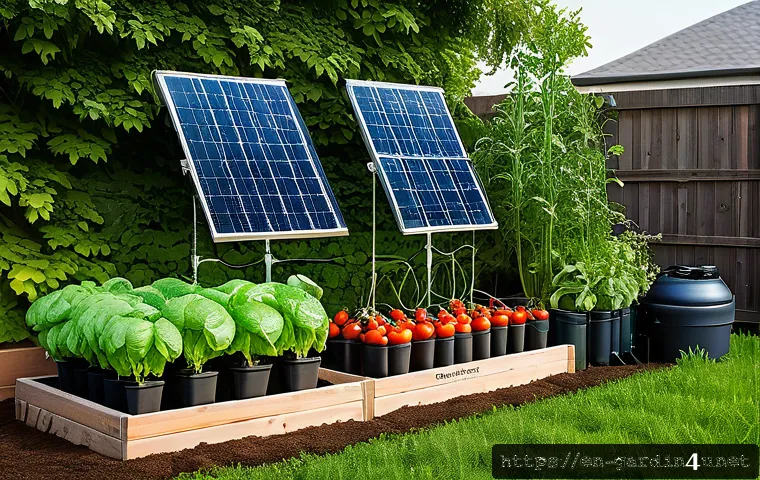
Hey there, fellow garden enthusiasts and budding green thumbs! Do you ever gaze at your garden, hoping for that perfect synergy where every plant just… sings?
I know I used to dream of it. For a long time, my garden was a bit of a solo act, and honestly, some of my veggies just weren’t reaching their full potential, battling pests or just feeling a bit lonely.
But then, I discovered the incredible world of companion planting – it’s like setting up the most beneficial neighborhood watch for your crops! This isn’t just an old wives’ tale; it’s a smart, sustainable way to garden, especially as we all look for greener, more efficient ways to grow our own food.
I’ve personally seen how a few strategic pairings can dramatically boost yields, keep those pesky critters away naturally, and even enhance the flavor of your harvest.
Imagine fewer chemicals and more vibrant, healthy plants – it’s a game-changer! From maximizing your small urban plot to creating a resilient ecosystem in your backyard, these plant partnerships are truly magical.
If you’re ready to transform your garden into a thriving, harmonious haven and reap the rewards of nature’s best teamwork, let’s dive into some amazing combinations that I’ve tried and loved.
Let’s explore it precisely.
Unlocking Nature’s Secret Garden Alliances
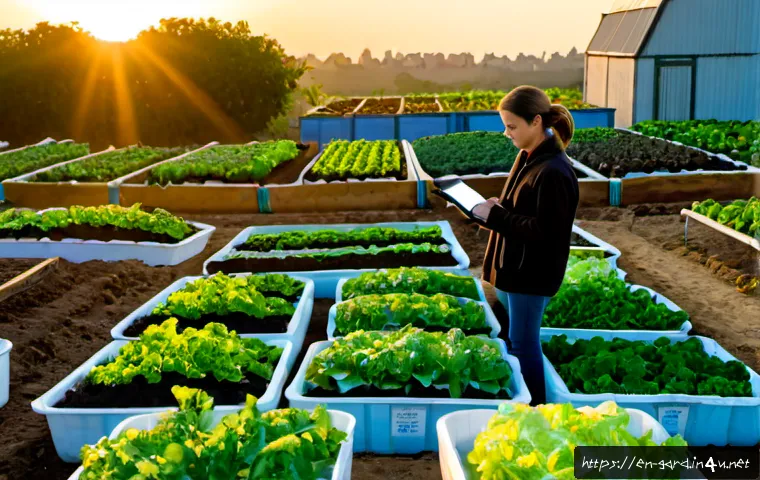
There’s something truly magical about watching your garden flourish, isn’t there? For years, I approached my veggie patch like a solo mission, planting everything in neat rows, hoping for the best. And while I had some successes, I also battled relentless pests and noticed that some of my plants just seemed… lackluster. It was a constant struggle! Then, I stumbled upon the ancient wisdom of companion planting, and honestly, it felt like I’d found a secret code to unlocking a healthier, happier garden. It’s not just about tossing plants together; it’s about creating a harmonious ecosystem where every plant supports its neighbor, much like a well-organized community. The idea is that certain plants, when grown in close proximity, can offer mutual benefits that extend far beyond what they could achieve alone. Think of it as strategic matchmaking for your crops, where their combined strengths create an environment where everyone thrives, reducing the need for chemical interventions and boosting overall vitality. This method truly mirrors nature’s inherent diversity, moving away from single-crop monocultures towards a more resilient and productive system. It’s been a game-changer for me, and I’m convinced it can be for your garden too!
The Philosophy Behind the Friendship
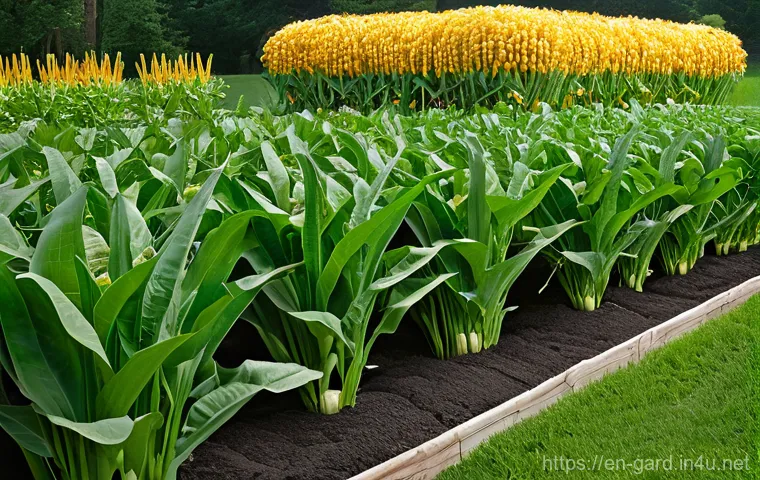
At its heart, companion planting is about understanding the natural interactions between different plant species. It’s an age-old practice, perfected over centuries by indigenous cultures, like the famous “Three Sisters” method of growing corn, beans, and squash together. The corn provides a natural trellis for the beans to climb, the beans fix nitrogen into the soil, enriching it for the hungry corn, and the broad leaves of the squash act as a living mulch, suppressing weeds and keeping the soil moist, while its prickly vines deter pests. It’s a beautiful example of a truly symbiotic relationship! When I first learned about this, it just clicked. It’s not just about what we take from the soil, but how we can encourage a give-and-take among the plants themselves. This approach naturally fosters a balanced ecosystem, making your garden more robust and less susceptible to the various challenges that pop up each season.
Benefits Beyond the Obvious
While pest control often gets the spotlight when we talk about companion planting, the benefits stretch much further. Beyond deterring unwanted visitors, these plant pairings can actively improve soil health, enhance nutrient uptake, attract vital pollinators, and even elevate the flavor of your harvest. I’ve personally seen how planting certain herbs near my tomatoes seems to make them taste even sweeter, a rich, intense flavor you just don’t get otherwise. Some plants have deep taproots that break up compacted soil, improving drainage and aeration for their shallower-rooted companions. Others release chemical compounds from their roots or foliage that either repel harmful insects or attract beneficial ones, creating a natural shield around your prized crops. It’s a holistic approach that cultivates a stronger, more productive garden with less effort and fewer synthetic inputs. For me, seeing these subtle yet powerful interactions unfold in my own backyard has been one of the most rewarding aspects of my gardening journey.
Beyond Pest Control: The Hidden Perks of Plant Partnerships
When I first dipped my toes into companion planting, I was mostly focused on keeping those annoying garden invaders at bay without reaching for chemical sprays. And let me tell you, it works wonders! But what I quickly discovered is that the magic of plant partnerships goes much deeper than just warding off pests. It’s about building a robust, self-sustaining garden community where every plant plays a role, creating an environment so healthy and balanced that pests become less of an issue naturally. It’s like setting up a neighborhood watch, but with roots and leaves! Certain plants emit strong scents that confuse pests looking for their target crops, making it harder for them to find a meal. Others act as “trap crops,” drawing pests away from your main harvest, essentially taking one for the team. It’s a fascinating dance of nature that, once you start observing it, will utterly transform how you view your garden. I’ve been amazed at how a few strategic additions can dramatically reduce insect damage and keep my plants looking vibrant and healthy.
Natural Deterrents and Decoys
One of the coolest aspects of companion planting for pest management is utilizing natural deterrents. Take marigolds, for example. I always sprinkle them liberally throughout my vegetable beds, especially near my tomatoes and brassicas. Their distinct scent, which I personally love, acts as a powerful repellent for nematodes and whiteflies, and they even help deter those pesky cabbage worms. I’ve also had fantastic success with alliums like garlic and onions, which, when planted near carrots or members of the cabbage family, confuse the carrot root flies and cabbage loopers with their pungent aroma. It’s a brilliant way to mask the scent of vulnerable plants! Then there are the “trap crops.” Nasturtiums are my go-to for this; aphids absolutely adore them. I plant them strategically, and sure enough, the aphids flock to the nasturtiums, leaving my beans and other susceptible plants largely untouched. It’s a sacrificial offering that pays off big time in the long run, saving my more valuable crops.
Welcoming Beneficial Bugs
Beyond repelling the bad guys, companion planting is also fantastic for attracting the good guys – the beneficial insects that are truly your garden’s best friends. These include predatory insects like ladybugs, lacewings, and parasitic wasps, which feast on common pests like aphids, spider mites, and hornworms. Plants with small, umbrella-shaped flowers, like dill, cilantro, and fennel, are absolute magnets for these tiny heroes, providing them with nectar and pollen. I’ve noticed a significant increase in ladybug populations in my garden since I started letting some of my herbs flower. Calendula and sweet alyssum are also fantastic for this, drawing in hoverflies and other aphid predators. It’s truly incredible to watch a healthy ecosystem take shape, where nature steps in to manage itself. By creating a welcoming habitat for these beneficial insects, you’re essentially outsourcing your pest control to a highly efficient, all-natural army, which, in my experience, is far more effective and satisfying than any chemical intervention.
Flavor Boosters: Elevating Your Harvest with Smart Pairings
You know that feeling when you bite into a homegrown tomato that just bursts with incredible flavor? Well, what if I told you there’s a way to make that experience even *more* common in your garden? For a long time, I just thought good flavor came from good soil and plenty of sun. While those are definitely key ingredients, I’ve since learned that certain plant pairings can actually intensify the taste of your vegetables, taking them from good to absolutely phenomenal. It’s like adding a secret seasoning directly into the plant itself! I was initially skeptical, I’ll admit, but after trying some of these combinations myself, I became a true believer. The difference in richness and depth of flavor is genuinely noticeable, and it’s become one of my favorite “hidden” benefits of companion planting. It adds another layer of joy to harvesting and cooking from my own backyard, making every dish feel a little bit more special.
The Culinary Connection
When you hear about basil and tomatoes, your mind probably jumps to a caprese salad, right? But this iconic duo isn’t just a culinary match made in heaven; it’s a garden partnership that truly enhances flavor. I always plant basil right alongside my tomato plants, and I swear those tomatoes come out sweeter and more aromatic, with a deeper, more complex taste. The basil doesn’t just deter pests like the dreaded tomato hornworm; its volatile oils are believed to subtly influence the flavor profile of the ripening tomatoes. It’s a win-win situation that I rely on year after year. Similarly, many gardeners, myself included, have found that planting borage near strawberries doesn’t just attract pollinators; it’s also said to improve the flavor and vigor of the berries themselves. Imagine perfectly ripe, incredibly sweet strawberries straight from your garden – that’s the kind of magic these partnerships bring!
Unexpected Taste Enhancers
The flavor-boosting power of companion planting extends to some less obvious pairings too, and exploring these has been a delightful discovery for my cooking. For instance, growing garlic near leafy greens like kale, spinach, or chard can actually enhance their boldness and earthy notes. The sulfur compounds released by the garlic into the soil are thought to subtly influence the flavor of the nearby crops. Who knew your greens could get an extra kick just by having a good neighbor? Another fantastic, and visually appealing, pairing is nasturtiums with brassicas (cabbage, kale, broccoli). While nasturtiums are often used as a trap crop for aphids, their peppery leaves and edible flowers can also subtly enhance the taste of these leafy vegetables. I’ve tried this myself, and not only do they protect my kale, but the kale itself seems to have a more vibrant, slightly spicier edge. It’s these subtle enhancements that make homegrown food so incredibly rewarding, proving that a little plant camaraderie goes a long way in the kitchen!
Attracting the Good Guys: Pollinators and Beneficial Insects
Let’s be real, a garden buzzing with bees, fluttering with butterflies, and humming with other helpful insects is a truly vibrant and healthy place. For years, I mostly focused on fighting off the “bad” bugs, but a huge shift happened for me when I realized the power of *attracting* the “good” ones. It’s like inviting your garden’s personal security team and fertility experts to set up shop! Companion planting isn’t just about warding off pests; it’s fundamentally about fostering a biodiverse environment where pollinators can thrive and beneficial insects can keep harmful populations in check. This strategy has not only made my garden more productive but also significantly more resilient. I’ve seen firsthand how a few key flowering plants can transform an ordinary patch into a lively hub of activity, where nature does a lot of the heavy lifting for me, from ensuring good fruit set to providing natural pest control. It’s incredibly satisfying to watch!
Creating a Buzz: Inviting Pollinators
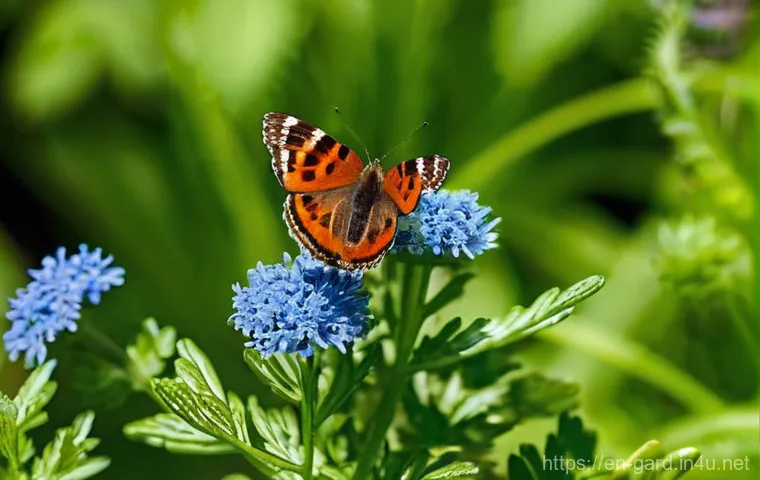
Pollinators are the unsung heroes of many gardens, especially if you’re growing fruit-bearing vegetables like tomatoes, squash, cucumbers, or peppers. Without them, your harvest would be significantly smaller, if not non-existent! I make a conscious effort to interplant flowers and herbs that are known to attract bees, butterflies, and other beneficial pollinators. Borage is a fantastic choice; its beautiful blue flowers are a magnet for bees, and I’ve seen a noticeable improvement in my strawberry and tomato yields when it’s nearby. Calendula and marigolds aren’t just pretty faces; they also do double duty by drawing in pollinators while simultaneously deterring pests. Even allowing some of your herbs, like dill or cilantro, to flower can provide much-needed nectar for these busy workers. It’s a simple act that yields huge rewards, ensuring that your plants are adequately pollinated for a bountiful harvest. Plus, the vibrant colors and buzzing activity just make the garden a more joyous place to be!
Your Garden’s Tiny Army
Beyond the pollinators, there’s a whole invisible army working tirelessly in your garden: beneficial predatory insects. These are the bugs that prey on the pests that want to munch on your veggies. Think ladybugs devouring aphids, or lacewings and parasitic wasps taking care of spider mites and hornworms. To encourage these natural pest controllers, I strategically plant things like dill, fennel, and parsley. Their delicate flowers provide easy-to-access nectar and pollen, which these tiny beneficials absolutely love. Sweet alyssum is another incredible ground cover that attracts a host of beneficial insects, including tiny parasitic wasps that target aphids. I’ve found that by providing a diverse buffet of flowers and herbs, I create a welcoming habitat that encourages these insects to stay and set up their own little ecosystem. It’s a natural, chemical-free way to keep pest populations in check, and it truly makes a difference in the overall health and resilience of my garden, reducing stress for me and my plants.
Troubleshooting Your Garden: Common Companion Planting Challenges
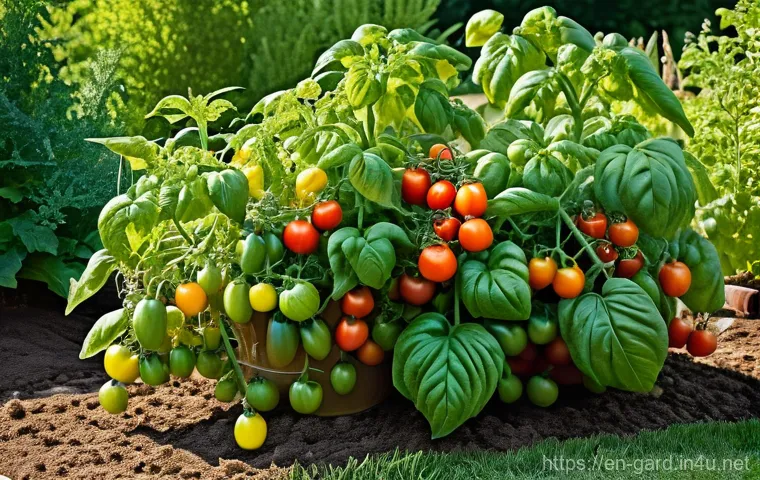
Now, while companion planting is truly amazing and has transformed my garden, it’s not a magical cure-all, and not every plant combination is a match made in heaven. Just like people, some plants simply don’t get along, and trying to force incompatible neighbors together can actually do more harm than good. I’ve learned this the hard way a few times, planting things that I thought would be buddies, only to see one or both struggle. It’s all part of the learning curve, right? Understanding these potential clashes is just as important as knowing the successful pairings. It helps you avoid disappointment and ensures that your efforts in creating a harmonious garden aren’t undermined by unwitting plant rivalries. Being mindful of these potential challenges is key to truly leveraging the power of companion planting and cultivating a truly thriving space.
Not All Plants Are Friends
It might sound a bit dramatic, but some plants are truly bad neighbors, and planting them together can stunt growth, increase disease susceptibility, or even attract more pests. For instance, I’ve learned to keep members of the cabbage family (like broccoli, kale, and cauliflower) away from strawberries, as they can inhibit each other’s growth. Another common one to watch out for is potatoes and zucchini; they tend to compete heavily for the same nutrients in the soil, leading to diminished harvests for both. And while tomatoes and basil are best friends, some other famous duos have less-than-stellar interactions. For example, sunflowers, despite their beauty and ability to support vining plants, can actually inhibit the growth of beans and potatoes if planted too close. It’s a bit like trying to force two strong personalities to share a small office – things just don’t go smoothly! Always do a quick check before planting, because a little bit of research can save you a lot of headache later on in the season.
Mind the Spacing and Needs
Even with good companions, successful companion planting requires attention to detail, especially regarding spacing and shared needs. Just because two plants are beneficial companions doesn’t mean they can be crammed together willy-nilly. Overcrowding can lead to competition for light, water, and nutrients, negating any positive effects. I remember one season when I got a little too enthusiastic and planted my carrots too close to some vigorous basil plants. While the basil was great for flavor, the carrots struggled because the basil’s dense foliage was hogging all the sunlight and moisture. Lesson learned! It’s also crucial to group plants with similar watering requirements together. Deep-rooted plants like tomatoes and asparagus prefer less frequent, deep watering, while shallow-rooted plants like beans and chard need more frequent, lighter irrigation. Planning your garden layout with these needs in mind will prevent one plant from suffering due to the watering preferences of its neighbor. A little strategic planning goes a long way in ensuring all your plant buddies get exactly what they need to thrive.
The Perfect Patch: Designing Your Companion Planting Layout
Creating a truly thriving garden is an art and a science, and nowhere is that more evident than in designing your companion planting layout. It’s not just about what plants go together, but *how* and *where* you place them. When I first started, I approached it somewhat haphazardly, just tucking things in where I found space. But over time, I’ve realized that a well-thought-out plan can make all the difference, maximizing every inch of your garden and fostering an environment where plants truly flourish. It’s about creating miniature ecosystems within your beds, where each plant contributes to the overall health and productivity. This strategic approach has allowed me to get significantly higher yields from my space and has made my garden feel much more vibrant and alive. Taking the time to plan your layout can feel like an extra step, but trust me, it pays dividends in the long run with healthier plants and a more abundant harvest!
Mapping Out Your Green Utopia
Before I even put a shovel in the ground, I now spend time sketching out my garden beds on paper, almost like a landscape architect. This helps me visualize where each plant will go, considering its mature size, sunlight needs, and, of course, its ideal companions. I’ve found that grouping plants with similar water and sunlight requirements together is a brilliant move, as it simplifies watering schedules and ensures everyone gets what they need. Instead of long, single rows, I prefer to plant in blocks or clusters, which creates mini-ecosystems where beneficial bugs can patrol multiple crops more effectively. For example, circling my tomato plants with marigolds and basil creates a powerful aromatic shield that confuses pests. Don’t be afraid to mix vegetables, herbs, and flowers in the same bed; this diversity is exactly what a healthy companion planting scheme is all about. A good plan on paper prevents wasted effort and ensures your garden’s design works as hard as you do!
Smart Spacing and Vertical Solutions
Maximizing space is a huge win, especially in smaller gardens or raised beds, and companion planting offers fantastic solutions. I’m a big advocate for vertical gardening, which not only looks stunning but also allows you to grow more in less space. Tall plants, like corn or sunflowers, can act as natural trellises for vining crops such as pole beans or cucumbers. This utilizes vertical space efficiently, provides shade for sun-sensitive plants below, and can even help protect them from wind. Another trick I love is succession planting with companions. For example, I’ll tuck quick-growing radishes or lettuce between slower-growing plants like broccoli or cabbage. By the time the larger plants need more room, the smaller, faster crops are ready for harvest, effectively allowing me to get two harvests from one spot! This strategic intercropping and intelligent use of vertical space truly helps pack in the productivity, making even a small garden incredibly bountiful.
My Go-To Combinations for a Bountiful Yield
After years of trial and error in my own garden, experimenting with countless plant pairings, I’ve definitely developed some favorite companion planting combinations that I rely on season after season. These aren’t just theoretical pairings; these are the duos and trios that have consistently delivered healthier plants, fewer pests, and more delicious harvests for me. There’s a real sense of satisfaction that comes from seeing these plant partnerships in action, proving that working with nature truly is the most effective way to garden. If you’re looking for some tried-and-true combinations to get started or to boost your existing garden, these are the ones I wholeheartedly recommend. They’ve made my gardening journey so much more enjoyable and productive, and I’m confident they’ll do the same for you. Get ready to witness some serious plant teamwork in your own backyard!
Tried and Tested Duos I Swear By
I absolutely cannot garden without my tomatoes and basil growing side-by-side. Every year, without fail, this pairing just works. The basil not only helps keep those notorious tomato hornworms away but I genuinely believe it makes my tomatoes taste richer and sweeter. It’s a dynamic duo both in the garden and on the plate! Another combination that has proven invaluable for me is carrots and onions. Planting onions around my carrots seems to magically deter the dreaded carrot root fly, and it’s a simple, organic solution that has saved many a carrot crop. I also adore the classic “Three Sisters” – corn, pole beans, and squash. This ancient Native American method is pure genius; the corn provides support, the beans enrich the soil with nitrogen, and the squash keeps weeds down and deters pests. It’s a complete ecosystem in one spot, and I’ve seen it produce incredible yields even in limited space.
More Magical Pairings to Explore
Beyond my absolute favorites, there are so many other fantastic companion planting ideas that I’ve integrated into my garden with great success. Marigolds, especially French marigolds, are a staple for me. I scatter them throughout my vegetable beds, and they’re like little guardians, repelling nematodes and other soil-borne pests from nearly any vegetable they’re near. They really are the “wonder drug” of companion planting. Another pairing I love is cucumbers with nasturtiums. Nasturtiums act as a fantastic trap crop for aphids, drawing them away from my cucumber vines, and their peppery leaves can even enhance the flavor of nearby greens. And for anyone struggling with cabbage moths, try planting sage nearby; its strong scent helps repel them, keeping your brassicas happier and healthier. Trust me, once you start seeing these partnerships thrive, you’ll be hooked! Here’s a quick look at some of my top picks:
| Main Crop | Companion Plant | Key Benefits |
|---|---|---|
| Tomatoes | Basil | Deters hornworms, whiteflies; enhances flavor |
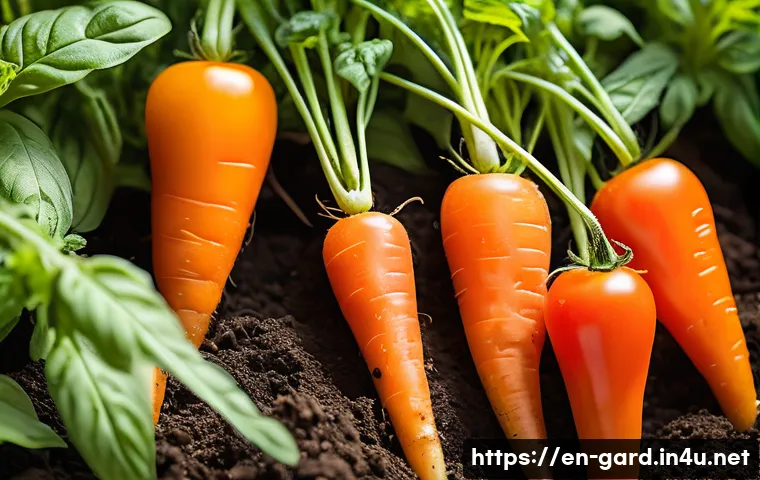
| Carrots | Onions/Leeks | Repels carrot root fly and aphids |
| Corn | Pole Beans, Squash | Beans fix nitrogen, corn provides trellis, squash suppresses weeds/deters pests (Three Sisters) |
| Cabbage/Broccoli | Marigolds, Sage | Marigolds deter nematodes, sage repels cabbage moths/worms |
| Strawberries | Borage | Attracts pollinators, improves flavor and vigor |
| Cucumbers | Nasturtiums | Trap crop for aphids, deters cucumber beetles |
| Potatoes | Garlic | Repels aphids, Colorado potato beetles, Japanese beetles |
Wrapping Things Up
Well, friends, that’s a wrap on our deep dive into the wonderful world of companion planting! It’s truly been one of the most rewarding shifts I’ve made in my gardening journey, transforming my patch from a battleground into a bustling, harmonious ecosystem. Remember, gardening is all about observation and learning, and these plant alliances offer a natural, joyful path to a more vibrant and productive harvest. I genuinely hope you feel inspired to give some of these pairings a try in your own backyard!
Handy Tips to Remember
1. Start small: Don’t feel you need to overhaul your entire garden at once. Pick one or two combinations to try out this season and see the magic unfold.
2. Observe carefully: Pay close attention to how your plants react to their neighbors. Every garden is unique, and what works for one might need tweaking for another.
3. Do your research: While I’ve shared my go-to’s, there’s a vast world of companion planting. A quick search can reveal amazing new pairings specific to your climate and crops.
4. Embrace diversity: Don’t just plant veggies! Mix in beneficial flowers and herbs to attract pollinators and beneficial insects, creating a true ecosystem.
5. Prioritize soil health: Companion planting thrives in healthy soil. Continuously amend with compost and organic matter to give your plant partnerships the best foundation.
Key Takeaways
So, after all this exploration, what’s the real magic behind these green alliances? For me, it boils down to cultivating a garden that’s not just productive, but truly *alive* and resilient. It’s about stepping back from endless chemical solutions and embracing nature’s own ingenious design. I’ve personally seen how a few thoughtful plant partnerships can drastically cut down on pest damage, boost the flavor of my harvests to levels I never thought possible, and turn my beds into a buzzing hub of beneficial insects. This isn’t just some old wives’ tale; it’s a scientifically sound approach that enriches your soil, enhances growth, and ultimately makes gardening a far more enjoyable and less strenuous endeavor. It empowers you to create a miniature ecosystem right in your backyard, where every plant supports its neighbor, leading to an abundance that feels truly earned and deeply satisfying. Trust me, once you experience the harmony of a well-planned companion garden, you’ll wonder how you ever gardened without it. This holistic method ensures greater yields, healthier plants, and a much more vibrant and sustainable gardening experience for everyone involved.
Frequently Asked Questions (FAQ) 📖
Q: What exactly is companion planting, and why should I, a busy gardener, even bother with it?
A: Oh, I totally get it! Life’s hectic, and sometimes adding another “gardening strategy” to your plate feels like too much. But trust me on this one: companion planting is less about adding work and more about letting nature do the heavy lifting for you.
In its simplest form, it’s about strategically placing different plants near each other so they can help each other thrive. Think of it like setting up the best neighborhood watch or a symbiotic roommate situation for your garden beds!
I used to struggle with certain pests making a buffet out of my zucchini, and my tomatoes never seemed to reach their full flavor potential. But once I started companion planting, everything changed.
I saw fewer aphids on my roses, healthier squash plants, and even noticed my carrots tasted sweeter! It’s because certain plants can naturally deter pests, attract beneficial insects, improve soil nutrients, or even provide shade or support to their neighbors.
It’s truly a sustainable, organic way to garden that reduces your reliance on chemicals, boosts your harvest, and honestly, just makes your garden a happier, healthier place.
It’s the ultimate “work smarter, not harder” approach for us green thumbs!
Q: Okay, I’m intrigued! But where do I start? Can you give me some tried-and-true, super effective companion planting pairings I can implement this weekend?
A: Absolutely! Let’s get you started with some real game-changers that I’ve personally had amazing success with. My absolute favorite is Tomatoes and Basil.
I swear, planting basil near my tomatoes not only keeps hornworms away (those pesky green giants!) but also, and this is where it gets good, many people, including myself, find that it actually enhances the flavor of the tomatoes.
It’s a match made in culinary heaven! Another fantastic pairing is Carrots and Rosemary. Rosemary’s strong scent helps to repel the carrot rust fly, which can devastate a carrot patch.
I’ve noticed a significant reduction in damage since I started doing this. For general pest control, you cannot go wrong with Marigolds (the French variety) planted throughout your garden.
They’re like little guardians, repelling nematodes and other soil-borne pests. I scatter them everywhere – around my peppers, beans, and even my herbs.
Lastly, if you grow corn, beans, and squash, you must try the “Three Sisters” method. The corn provides a trellis for the beans to climb, the beans fix nitrogen in the soil for the corn and squash, and the large squash leaves shade the soil, retaining moisture and suppressing weeds.
I’ve found these combinations dramatically improve the health and yield of my plants year after year.
Q: This sounds great, but are there any plants that absolutely hate being neighbors? I don’t want to accidentally sabotage my hard work!
A: Oh, that’s a super important question, and yes, there definitely are some pairings that are a no-go! Just like with people, some plants just don’t get along, and putting them together can actually hinder their growth or attract pests.
One of the biggest ones to watch out for is Beans and Onions (and other alliums like garlic or chives). I learned this the hard way! The compounds released by onions can inhibit the growth of beans, especially their root development.
So, keep your bean patch a good distance from your allium bed. Another one that often surprises people is Cabbage (and its relatives like broccoli, kale) and Strawberries.
Cabbage can stunt the growth of strawberries, making them less productive and their fruit smaller. I always give my brassicas their own space away from my berry patch.
And while mint is amazing, plant it in a pot! It’s an aggressive spreader and will quickly take over, outcompeting its neighbors for nutrients and space.
Always do a quick check before you plant, because a little planning can save you a lot of headache (and heartache!) down the line.