Small-scale farm startup support in the U.S. is usually a mix of training, technical assistance, cost-sharing, and financing rather than a simple cash grant.

The best option depends on your location, whether you plan to sell products, your available upfront cash, and the scale of your project. A backyard grower may need local rules and basic planning before looking for funding, while an expanding small farm may benefit from irrigation, insurance, or bookkeeping support.
Comparing program timing, paperwork, and repayment obligations can prevent an expensive mismatch. Paid business-plan, accounting, or irrigation services can be worthwhile when they help you avoid compliance gaps or oversized purchases.
Start with a clear production plan and a realistic budget before committing savings or borrowed money.
Quick Overview
- Small-farm support may include training, technical assistance, loans, cost-sharing, and local opportunities, not only grants.
- Eligibility can depend on your location, land access, business structure, production type, farm size, income, and whether you will sell products.
- A written production plan, budget, and documentation can improve readiness for financing and support applications.
| Support Option | Upfront Cash Impact | Paperwork and Timing | Best Fit |
|---|---|---|---|
| Cash grant or local funding opportunity | May reduce personal cash needs if awarded | Often competitive; rules and deadlines vary | A defined project that matches a local priority |
| Cost-share or reimbursement program | You may need to pay part of the project cost first | Documentation and implementation rules may apply | Planned improvements such as irrigation or infrastructure |
| Small loan or farm financing | Provides capital but creates repayment obligations | Requires a realistic budget and repayment plan | Time-sensitive equipment, supplies, or working capital needs |
| Training or technical assistance | Usually lower direct cost than hiring a consultant | May require classes, meetings, or planning work | First-time growers building a workable farm plan |
| Paid professional support | Direct service expense | Scope, credentials, and deliverables should be compared | Complex budgeting, insurance, irrigation, or bookkeeping decisions |
What Support Can a New Backyard or Small Farm Realistically Receive?
The short answer: training, technical help, cost-sharing, financing, and local opportunities
A new grower may find support through federal, state, county, city, nonprofit, cooperative, or community-based programs. The most realistic starting point is often education and technical assistance, followed by financing or cost-sharing that fits a specific project. Available help can vary widely between a city lot, a suburban backyard, leased land, and a rural small farm.
Before assuming that a backyard project qualifies for agricultural support, confirm how local rules classify the activity. A plot used for household growing may be treated differently from a business selling vegetables, plants, eggs, or processed products.
Why “grant funding” is not the only useful form of startup support
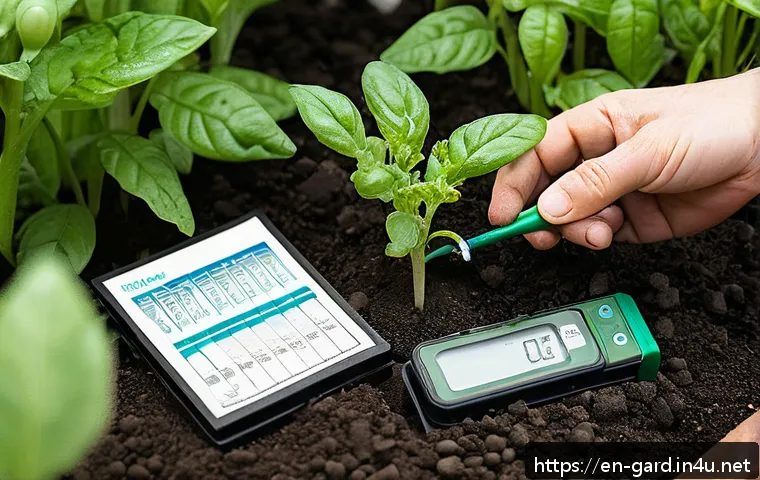
Grant searches can be useful, but a grant is not automatically the best financial answer. Some programs offer guidance on production planning, recordkeeping, soil testing, water access, or market preparation. That assistance can help you avoid buying the wrong tools, building too much infrastructure, or overlooking a permit requirement.
Cost-share assistance can also be valuable, but it may require you to contribute part of the cost, submit invoices or receipts, and follow implementation requirements. If cash flow is limited, understand whether a program provides funds in advance, reimburses approved costs later, or only provides advisory support.
A quick comparison table: cash grants, reimbursement programs, loans, and advisory services
The right choice is not the one with the most appealing label. Compare cash needed today, repayment risk, time to proceed, and administrative effort. A grower with a short planting window may need financing or a smaller phased project. A grower with more time may prefer training and a future cost-share application.
Compare Support Options by Cost, Timing, and Business Value
When a grant or cost-share program may be the best fit
A grant or cost-share program may fit when you have a clearly defined project, can meet the documentation requirements, and can wait for the applicable review and approval process. It can be particularly useful when the project involves long-term improvements rather than impulse purchases. Do not assume that every expense is eligible, and do not buy equipment before confirming approval and reimbursement rules.
When a small loan may be more practical than waiting for a funding cycle
A small loan may be more practical when tools, seeds, water access, or basic infrastructure are needed on a specific timeline. However, debt should match a realistic production and sales plan. A loan can solve an immediate purchasing problem, but it does not remove recurring costs such as insurance, packaging, maintenance, labor, or bookkeeping.
Before comparing farm financing options, write down what the money will purchase, when the item will be used, and how repayments would fit your expected cash flow. A simple budget is more useful than an optimistic sales estimate.
When paid help for planning, bookkeeping, insurance, or irrigation can be justified
Free technical assistance may be enough for a small household garden or an early market test. Paid support may be worth considering when a decision has long-term consequences. Examples include an irrigation design for a larger growing area, a farm business plan needed for financing, insurance advice for direct sales, or farm accounting software setup.
For professional services, compare the scope of work, experience with small farm operations, records you will receive, and ongoing costs. A paid service should help you make a clearer decision, not pressure you into larger equipment or a more complicated business structure than you need.
Startup expenses to price in U.S. dollars before applying
List all expected costs in U.S. dollars, even if you are still comparing support options. Essential production expenses can include soil testing, water access, irrigation, fencing, hand tools, seeds or starts, storage, and basic supplies. If you plan to sell, also budget for packaging, insurance, permits, recordkeeping, and any requirements related to food safety, labeling, or taxes.
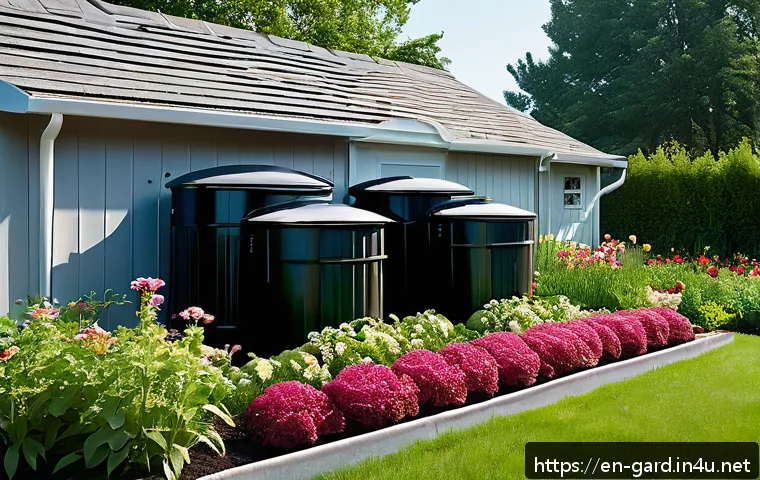
Separate must-have costs from optional upgrades. A basic irrigation setup may be essential where water access is limited, while a larger greenhouse, expanded storage area, or advanced equipment may be better treated as a later-stage investment.
Build a Funding-Ready Plan Before You Apply
Define the production model: household growing, market sales, or a small farm business
Start by stating what you are actually building. Is it a household garden, a backyard project testing occasional sales, an urban farm on leased land, or a small farm business serving local customers? This choice affects the questions you need to answer about zoning, licenses, insurance, land access, and sales records.
A simple production plan should identify what you expect to grow, where it will be grown, how water will reach the site, how products will be stored or packaged, and who may buy them. You do not need to predict every detail, but you should be able to explain the project in plain language.
Create a simple budget for land, water, tools, supplies, and compliance
Build a budget in sections: site preparation, water and irrigation, tools and supplies, production inputs, storage and packaging, and compliance-related costs. Include recurring expenses separately from one-time purchases. This makes it easier to see whether a cost-share program, a loan, or a smaller first season is the safer path.
For leased lots or shared community spaces, verify the terms for water use, site access, improvements, storage, and end-of-lease responsibility. Do not treat access to land as permanent unless the agreement clearly supports that assumption.
Prepare records, maps, quotes, and a realistic sales plan
Applications and lenders may require different documents, but it is useful to prepare a basic site map, photos, land-access information, a project budget, and vendor quotes where appropriate. Keep records of proposed equipment and installation needs. For irrigation, compare quotes based on capacity, layout, maintenance needs, and whether the design matches your actual growing area.

Your sales plan should be realistic. If you expect to sell directly to neighbors, at local markets, through subscriptions, or to wholesale accounts, check the local rules that may apply before counting on that revenue.
Avoid Common Costly Mistakes for Backyard and Urban Farm Startups
Buying equipment before checking reimbursement rules
Some cost-share or reimbursement programs may have purchase timing, approval, documentation, or implementation requirements. Buying first can create a problem if the item, vendor, or timing does not meet the program rules. Confirm the process before spending personal savings.
Ignoring zoning, water access, permits, or food-sale requirements
Growing food and selling food are not always treated the same way. Selling produce, plants, eggs, or value-added products may trigger local zoning, licensing, food-safety, labeling, tax, or insurance obligations. Water-use and site-access rules also need local confirmation, especially for urban lots and shared spaces.
Underestimating recurring costs such as insurance, packaging, labor, and maintenance
Startup purchases are visible, but recurring costs can shape whether the project remains manageable. Review insurance coverage, packaging needs, irrigation maintenance, replacement tools, transportation, bookkeeping, and labor needs before expanding. Farm accounting tools can help separate personal spending from business activity and make future planning easier.
Choosing oversized infrastructure before validating customer demand
A larger greenhouse, storage setup, or irrigation system may look efficient on paper, but it can create fixed costs before sales are proven. Test production and customer demand at a manageable scale when possible. Expand after your growing process, local rules, and market channel are clearer.
Choose the Right Path for Your Growing Situation
Backyard growers testing a small paid market
Begin with a basic production plan, a small budget, and a review of local sales rules. Training, technical assistance, and simple bookkeeping may offer more value than immediately pursuing complex financing. If you later add irrigation or storage, document the need and compare support options before purchasing.
Urban growers using leased lots or community spaces
Land access is often the first issue. Confirm the lease or site agreement, water availability, improvement rights, and requirements for storing tools or materials. Technical assistance can help organize the project, while insurance advice and clear records may become more important if you begin selling.
Small farms expanding production with irrigation, protected growing, or storage
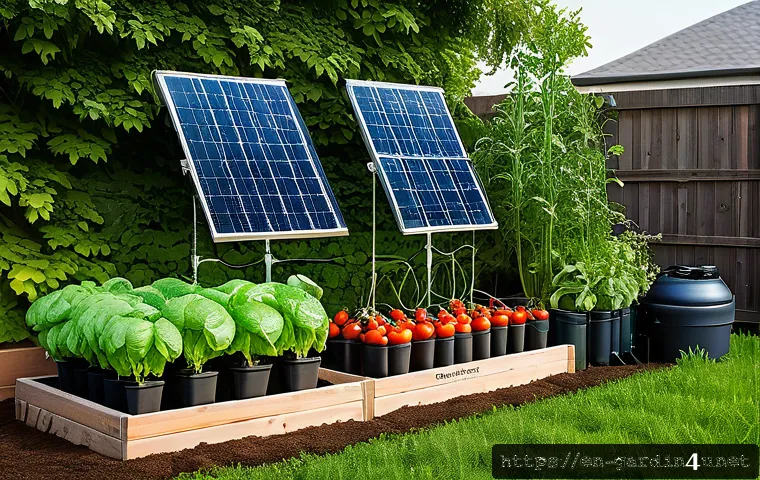
An established grower considering expansion should compare the expected business value of each improvement. Review irrigation equipment pricing, installation requirements, maintenance, and the cash contribution needed if cost-sharing is involved. Protected growing and storage should be sized to actual production plans rather than assumed future demand.
Producers planning direct sales, subscriptions, or local wholesale accounts
Direct sales and wholesale accounts can involve different handling, packaging, delivery, insurance, labeling, and recordkeeping needs. Before investing in equipment or a marketing plan, confirm which local requirements apply to your products and sales method. A business-plan review or accounting support may be useful if multiple sales channels are involved.
Selection Criteria and Comparison Summary
Choose support based on cash flow, project size, paperwork tolerance, timing, and repayment comfort. Ask whether you can cover a cost-share contribution, whether a loan payment fits your expected sales cycle, and whether the proposed equipment is truly necessary for the next stage. Compare irrigation quotes by layout, water access, capacity, installation needs, and maintenance expectations. Compare insurance coverage based on your growing site, products, customer access, and sales method. When reviewing bookkeeping tools or business-plan assistance, focus on whether they make records, compliance, and decisions easier to manage. For official requirements, detailed eligibility, and local conditions, review the relevant program or local government page before applying or purchasing.
Closing Thoughts
Small-scale farm support is most useful when it matches a clear, modest plan. A grant may help, but training, technical assistance, cost-sharing, financing, or targeted professional help can be equally valuable. Keep your first budget grounded in essential production needs and recurring costs. Verify local requirements before making a purchase or promising products to customers.
Useful Information to Keep in Mind
1. Keep receipts, quotes, site notes, and basic production records from the beginning.
2. Treat water access and land access as core business questions, not afterthoughts.
3. Price insurance, packaging, permits, and bookkeeping alongside seeds and tools.
4. Use a phased plan when customer demand or local compliance requirements are still uncertain.
Important Notes
Specific programs, deadlines, grant amounts, eligibility rules, and reimbursement terms vary by city, county, state, and organization. A backyard plot may or may not qualify as a farm or commercial agricultural operation under local rules. Funding is never guaranteed, and a proposed project may qualify only for technical assistance rather than a grant, reimbursement, or loan. Confirm zoning, permits, water use, food-sale rules, insurance needs, and tax obligations with the appropriate local sources.
Frequently Asked Questions
Q1. Can I get startup funding for a backyard farm in the United States?
A1. It may be possible to find support, but the form of help varies. Beginning and small-scale growers may find training, technical assistance, local opportunities, cost-sharing, or financing. Eligibility can depend on location, land access, business structure, farm size, what you grow, and whether you plan to sell products.
Q2. Is a grant or a small business loan better for purchasing irrigation, tools, or a greenhouse?
A2. It depends on timing, available cash, and the program rules. A grant or cost-share option may reduce some costs but can involve eligibility requirements, documentation, and waiting periods. A loan may allow a faster purchase but creates repayment risk. Compare the project’s urgency, your cash contribution, and whether the equipment fits a realistic production plan.
Q3. What costs should I budget for before starting to sell produce or plants locally?
A3. Budget for production needs such as soil testing, water access, irrigation, fencing, tools, seeds or starts, storage, and packaging. Also review possible insurance, permits, bookkeeping, food-safety, labeling, zoning, and tax-related costs. The exact requirements depend on your location and the products you plan to sell.