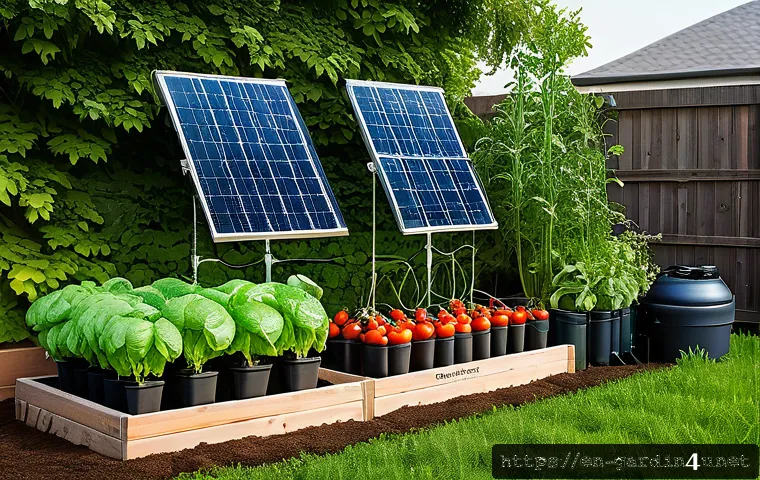
Hey there, fellow plant enthusiasts! Have you ever dreamt of plucking a crisp, homegrown lettuce leaf in the dead of winter, or enjoying vine-ripened tomatoes when the snow is still flying outside?
I know I have, and honestly, for years it felt like a pipe dream without a massive greenhouse. But let me tell you, what a difference a few years make!
The world of indoor gardening has absolutely exploded, and at the heart of this green revolution are some seriously advanced LED grow lights. I’ve personally experimented with countless setups, from basic clamp lights to sophisticated vertical farms in my own home, and what I’ve witnessed lately is nothing short of amazing.
We’re talking about smart systems that practically run themselves, delivering the perfect light spectrum to your plants, slashing energy bills by up to 50% or even 60%, and making year-round harvests a delicious reality, even in the smallest city apartments.
Gone are the days of bulky, heat-generating lights; today’s LEDs are sleek, incredibly efficient, and packed with features that make growing your own food easier and more rewarding than ever.
If you’re ready to transform your indoor space into a thriving, vibrant garden, you’ve come to the right place. Let’s dive in and precisely discover how to choose the very best LED grow lights to make your home garden flourish.
Understanding the Light Spectrum: More Than Just Brightness
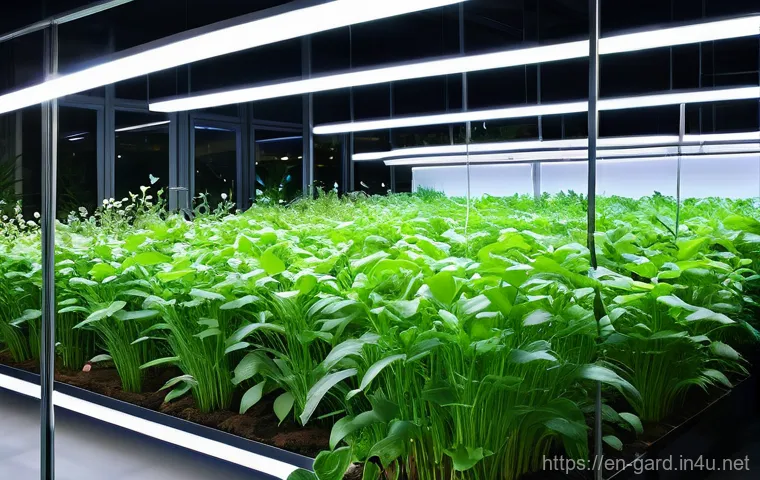
Okay, so you might think light is just light, right? Well, when it comes to growing plants, it’s a whole universe of colors and wavelengths! I learned this the hard way when my first indoor basil batch looked spindly and sad under a regular shop light. It turns out, different light spectrums are crucial for various stages of plant growth. Think of it like this: plants “see” light differently than we do. They specifically use certain colors for photosynthesis. Blue light, for instance, is a superstar for vegetative growth, encouraging strong stems and lush leaves. Red light, on the other hand, is the magic behind flowering and fruiting, helping your plants produce those delicious yields you’re dreaming of. Many of the latest LED grow lights, especially those labeled “full-spectrum,” mimic natural sunlight by providing a balanced blend of these wavelengths, often including infrared and ultraviolet light to really boost plant health and productivity. I’ve personally seen a dramatic difference in the bushiness of my basil and the sweetness of my cherry tomatoes when I switched to a truly full-spectrum LED. It’s like giving your plants a gourmet meal instead of fast food!
The Power of Full Spectrum
When I first started, I thought I could just slap any LED bulb in there and call it a day. Boy, was I wrong! The “full spectrum” claim isn’t just marketing fluff; it’s about providing plants with the entire range of light they’d get from the sun. This includes everything from deep blues to far reds, which are essential for driving photosynthesis throughout all growth stages, from delicate seedlings to mature, fruit-bearing plants. Some high-end lights even offer adjustable spectrum technology, allowing you to fine-tune the light mix to precisely meet your plants’ needs at different times, which is a total game-changer for optimizing growth and maximizing your harvest. I’ve found that having this control helps prevent common issues like leggy growth during the vegetative phase or poor fruit development during flowering. It’s like having a custom chef for your plants!
Tailoring Light to Growth Stages
Just like a baby needs different nutrients than a teenager, a seedling has different light requirements than a plant ready to flower. For my little sprouts, a gentler, more blue-rich light helps them develop strong root systems and sturdy initial growth. As they transition into their vegetative stage, a balanced full spectrum keeps them healthy and bushy. Then, when it’s time for blooms and fruit, I like to bump up the red light to really encourage those juicy yields. Some sophisticated systems even offer specific “lighting recipes” that automatically adjust the spectrum based on the plant’s growth stage, making it super easy for even a beginner to get fantastic results. This precise control is one of the biggest advancements in LED grow lights, and honestly, it takes a lot of the guesswork out of indoor gardening, allowing you to focus on the fun parts!
Deciphering Wattage and Coverage: How Much Power Do You Really Need?
This is where things can get a little tricky, and it’s a question I get asked all the time: “How powerful does my light need to be?” It’s not just about the wattage printed on the box; it’s about the actual light output that reaches your plants and the area it effectively covers. A common mistake I made early on was buying a light with high stated wattage but poor efficiency, meaning a lot of that power was wasted as heat rather than usable light for my plants. Today’s LED grow lights are incredibly efficient, often delivering more usable light (measured in PPF or PPFD) per watt than older technologies. For most home gardeners, a mid-range LED panel between 100W-300W can be perfect for general-purpose use and smaller setups, while more serious growers might look at 660W or even 960W models for larger areas and higher yields.
Matching Light to Your Grow Space
Before you even look at a light, measure your grow space! This is paramount. Whether you have a small herb garden on a shelf, a grow tent, or a dedicated grow room, the light’s coverage area needs to match. If your light doesn’t cover the entire canopy evenly, some plants will thrive, while others will struggle, leading to uneven growth and wasted effort. I always recommend checking the manufacturer’s recommended coverage area for both vegetative and flowering stages, as these can differ. For instance, a light might cover a 3×3 foot area for leafy greens but only a 2×2 foot area for flowering plants that need more intense light. Over-lighting can stress plants, and under-lighting leads to poor growth. It’s all about balance!
Efficiency Metrics: Watts vs. PPFD
Forget the old incandescent bulb mentality where higher wattage always meant brighter light. With LEDs, it’s all about efficiency. The real metrics you want to look at are Photosynthetic Photon Flux (PPF) and Photosynthetic Photon Flux Density (PPFD). PPF measures the total amount of photosynthetically active radiation (PAR) a light produces per second, while PPFD tells you how much of that PAR actually lands on a square meter of your plants per second. Higher PPFD numbers generally mean more intense, plant-usable light. Many modern LED grow lights boast impressive efficacy ratings, like 2.6 μmol/J PPE or even up to 3.2 μmol/J efficacy, which translates directly to more light for your plants and less electricity consumed. This is huge for your energy bill and helps justify the initial investment!
Smart Features and Control: Your Garden, Your Way
This is where the indoor gardening game truly gets exciting! The latest LED grow lights aren’t just powerful; they’re incredibly smart. I’m talking about features that make my life so much easier and my plants so much happier. Many systems now come with Wi-Fi and Bluetooth connectivity, allowing you to control everything right from an app on your phone. Imagine adjusting light schedules, dimming intensity, or even changing the light spectrum from anywhere! I’ve even seen systems that integrate with AI assistants that monitor your plants 24/7, providing alerts and personalized guidance – it’s like having a digital green thumb. This level of control not only optimizes plant growth but also gives you invaluable peace of mind, especially if you’re away from home for a few days.
Automated Schedules and Dimming
Gone are the days of manually switching lights on and off or fumbling with clunky wall timers. Modern LED grow lights allow for fully programmable 24-hour light cycles with adjustable dimming features. This means you can precisely simulate sunrise and sunset, gradually increasing and decreasing light intensity, which is much more natural and less stressful for your plants. I love setting up a schedule that gradually brightens in the morning and softly dims in the evening, giving my plants a proper rest cycle. Some lights even offer multiple brightness settings, ideal for adjusting intensity based on the plant’s growth stage without having to move the fixture. This automation is a huge time-saver and ensures your plants get consistent, optimal light every single day.
Integrated Sensors and AI Guidance
If you really want to elevate your indoor garden, look for lights that integrate with advanced sensors and even AI. Some smart grow systems come with environmental sensors that monitor temperature, humidity, and even CO2 levels, automatically adjusting the light and ventilation to maintain ideal conditions. I’ve used systems where an onboard camera tracks plant growth and an AI assistant, like “Kelby” in some hydroponic systems, provides reminders for watering or flags when a plant might be struggling. This proactive guidance is a game-changer, especially for beginners or those like me who might occasionally forget a watering! It makes gardening foolproof and truly takes the guesswork out of maintaining a thriving indoor space.
Efficiency and Longevity: Making Your Investment Count
Let’s be real, LED grow lights can be a bit of an investment upfront, but their long-term benefits in terms of efficiency and durability are truly impressive. I’ve heard friends complain about replacing traditional grow bulbs constantly, but with LEDs, that’s rarely an issue. These lights are designed to last, often boasting lifespans of over 50,000 hours. That’s years and years of continuous growing without needing replacements! More importantly, they are incredibly energy-efficient, capable of reducing energy costs by 30-50% compared to conventional lighting. This isn’t just good for your wallet; it’s fantastic for the planet. For me, that combination of saving money and being more sustainable is a win-win.
Long-Term Savings on Energy Bills
When I first looked at the price tag of a quality LED grow light, I admit, I hesitated. But then I started doing the math. Traditional grow lights, like HPS or MH, consume a lot of electricity and generate a ton of heat, often requiring additional ventilation to keep temperatures in check. LEDs, on the other hand, use significantly less power and run much cooler. This means lower electricity bills not just for the lights themselves, but also for any associated cooling systems you might need. I’ve personally seen my energy consumption drop by a noticeable amount since fully switching to LED, and those savings add up over time, quickly offsetting the initial purchase cost. It’s a smart financial move for any serious indoor gardener.
Durability and Heat Management
One thing I truly appreciate about modern LED grow lights is how robust they are. Many are built with durable aluminum alloy frames that efficiently dissipate heat, which is key to their longevity. Unlike older grow lights that could get dangerously hot, LEDs run much cooler, reducing the risk of heat stress to your plants and making them safer to operate in enclosed spaces. Many even feature IP65 or IP67 ratings, meaning they are protected against high humidity, splashes, and dust, which is essential in a gardening environment. I’ve had some of my lights running for years without a hitch, a testament to their improved design and build quality. This reliability means less worry for me and more consistent growth for my green babies.
Installation and Placement: Setting Up Your Green Oasis
Getting your LED grow lights set up correctly is just as important as choosing the right ones. Trust me, I’ve made my fair share of rookie mistakes here. The placement and hanging height can drastically impact how your plants grow. Most grow lights come with adjustable hanging options, which is super convenient for raising or lowering the light as your plants grow. For example, seedlings often need the light further away to prevent scorching, while flowering plants can handle, and often thrive under, more intense, closer light. It’s all about providing uniform light distribution across your entire canopy to ensure every leaf gets its fair share of photons!
Optimal Hanging Height and Coverage
This is a critical factor that many beginners overlook. Too close, and you risk burning your plants; too far, and they won’t get enough intensity, leading to leggy growth. I always start with the manufacturer’s recommendations for hanging height, which usually vary depending on the plant’s growth stage (seedling, vegetative, flowering). Then, I observe my plants closely. Are the leaves showing signs of stress? Are they reaching too much? I remember moving a light too close to my young pepper plants once, and they started to “pray” upwards aggressively, signaling stress. A quick adjustment made all the difference. Uniform light distribution is also key, so positioning your lights to cover the entire footprint of your garden without hot spots or shadowed areas is paramount.
Integrating with Your Indoor Space
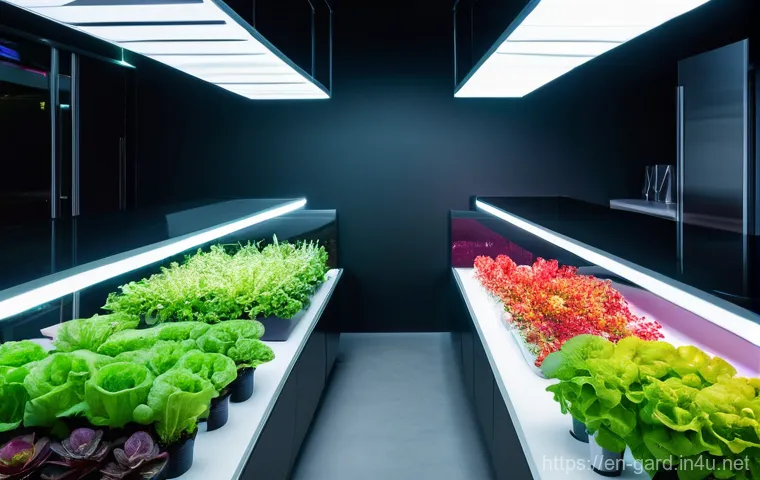
One of the beauties of modern LED grow lights is their sleek design, which means they can blend seamlessly into your home rather than looking like industrial equipment. I’ve seen some beautifully mounted LED grow lights that look more like stylish lamps, perfect for houseplants or herbs in a living room or kitchen. You can even mount them under overhead cabinets for discreet supplemental lighting. Consider how the light will fit into your space – whether it’s a dedicated grow tent, a shelf, or a corner of your home. Some come with adjustable stands or gooseneck arms, offering incredible versatility. The goal is to create an environment that’s not only optimal for your plants but also aesthetically pleasing for you!
Common Pitfalls to Avoid: Learn from My Mistakes!
Even with the best intentions and top-notch equipment, there are always little things that can trip you up in indoor gardening. I’ve certainly had my share of “learning experiences” over the years, and I want to share some of the most common mistakes I’ve encountered when using LED grow lights. One big one is neglecting the environment. You can have the best light in the world, but if your temperature, humidity, or air circulation are off, your plants won’t thrive. It’s like trying to run a marathon in a sauna – not ideal! Another common oversight is not rotating your plants, which can lead to uneven growth. Trust me, a little attention to these details can make a huge difference in your success.
Ignoring Environmental Factors
I cannot stress this enough: your grow light is just one piece of the puzzle! I learned this early on when my plants struggled despite having what I thought was a perfect light setup. It turned out my humidity was too low, and my air circulation was almost non-existent. Plants need more than just light; they need stable temperatures, adequate humidity, and good airflow to prevent diseases and strengthen stems. Many smart grow systems now integrate fans and environmental sensors to help manage these factors automatically. Always check your specific plant’s ideal environmental conditions and try to match them. Investing in a simple hygrometer and a small oscillating fan can go a long way in creating a happy home for your plants.
Over-lighting or Under-lighting
This is probably the most frequent mistake I see. People either blast their seedlings with too much intense light, causing stunted growth or “light burn” (you’ll see yellowing or crispy leaves), or they don’t provide enough light, resulting in stretched, weak, and leggy plants. It’s a delicate balance! As I mentioned earlier, different plants and different growth stages require varying light intensities. Always refer to your light’s intensity recommendations and observe your plants daily. If a plant is stretching dramatically, it probably needs more light or the light moved closer. If leaves are curling or bleaching, the light might be too close or too strong. It’s an art, not a science, and it comes with practice and keen observation. Don’t be afraid to adjust!
Budgeting for Brilliance: Finding Value in LED Grow Lights
Let’s talk money! As much as we love our plants, the cost is always a consideration. While some top-tier LED grow lights can have a significant upfront price, remember that this is an investment in your gardening future. The market for LED grow lights is projected to grow substantially, meaning more innovation and competitive pricing are on the horizon. There are fantastic options available at every price point, from budget-friendly bulbs to high-performance commercial-grade systems. It’s all about understanding your needs, your space, and what you want to achieve with your indoor garden. Don’t feel like you need to break the bank to get started, but also don’t shy away from investing in quality if you’re serious about year-round harvests.
Maximizing Value at Every Price Point
When I first started, I went for the cheapest option I could find, and honestly, it was a false economy. The light didn’t last, and my plants barely grew. My advice? Look for value, not just the lowest price. Even budget-friendly options, like certain full-spectrum grow light bulbs or compact panel lights, have come a long way and can be effective for smaller setups or supplementary lighting. Brands like Spider Farmer or Mars Hydro offer excellent performance for their price, especially for beginners or those with smaller grow tents. If you’re planning a larger garden or want to grow high-value crops, investing a bit more in a higher-efficacy light from a reputable brand will pay dividends in yield and longevity. It’s about finding that sweet spot where quality meets your budget.
When to Splurge vs. Save
So, when should you open your wallet a little wider, and when can you be more frugal? If you’re just dipping your toes into indoor gardening with a few herbs or small houseplants, a less expensive, good quality full-spectrum bulb or a smaller panel light will likely do the trick. However, if you’re looking to cultivate larger plants, grow food year-round for your family, or experiment with more demanding crops, then splurging on a high-performance, full-spectrum LED with advanced features like dimming and spectrum control is absolutely worth it. These lights offer better light penetration, higher efficiency, and longer lifespans, translating into bigger, healthier harvests and long-term energy savings. I’ve found that investing in a robust, adaptable light prevents future upgrades and gives me the best results season after season.
| Feature | Budget-Friendly Option | Mid-Range Option | High-Performance Option |
|---|---|---|---|
| Price Range (Approx. USD) | $20 – $100 | $100 – $400 | $400 – $1000+ |
| Typical Usage | Small herb gardens, seedlings, individual houseplants | Small to medium grow tents, hobbyist vegetable gardens | Larger grow tents, multi-plant setups, commercial-grade home grows |
| Light Spectrum | Basic full spectrum (white, red, blue) | Enhanced full spectrum with targeted red/blue | Adjustable, programmable full spectrum (UV/IR included) |
| Energy Efficiency (Efficacy) | Good (around 1.5 – 2.0 μmol/J) | Very Good (around 2.0 – 2.6 μmol/J) | Excellent (2.6 – 3.2+ μmol/J PPE) |
| Control Features | On/off switch, basic timer | Manual dimmer, basic timer, some app control | App control (WiFi/Bluetooth), programmable dimming, smart sensors, AI integration |
| Lifespan | 30,000 – 50,000 hours | 50,000+ hours | 50,000+ hours with robust heat management |
Sustainable Growing: An Eco-Friendly & Wallet-Friendly Choice
One of the biggest reasons I’m such a huge advocate for LED grow lights isn’t just the amazing harvests, it’s the impact on our planet and our wallets! In today’s world, where everyone’s trying to be more eco-conscious, switching to LEDs for indoor gardening just makes sense. Traditional grow lights are notorious for their high energy consumption and shorter lifespans, meaning more waste and higher carbon footprints. LEDs flip that script entirely, offering a genuinely sustainable solution that aligns perfectly with a greener lifestyle. It’s a choice that feels good both for my plants and my conscience!
Reducing Your Carbon Footprint
I genuinely feel great knowing that my indoor garden isn’t contributing to a massive energy drain. LED grow lights are incredibly energy-efficient, significantly reducing electricity consumption compared to their older counterparts. This reduction in energy demand directly translates to a smaller carbon footprint, which is a big win in my book. As a passionate gardener and environmental enthusiast, being able to grow my own food year-round without feeling guilty about energy waste is a huge motivator. It’s a small step, but imagine if every indoor gardener made this switch – the collective impact would be enormous!
Long-Term Environmental Benefits
Beyond the immediate energy savings, LED grow lights offer long-term environmental advantages. Their extended lifespan means fewer bulbs ending up in landfills, reducing waste. Plus, many traditional grow lights contain mercury, which is a hazardous material. LEDs are typically mercury-free, making them a safer and more environmentally responsible choice for disposal at the end of their very long life. For me, nurturing plants indoors is a way to feel connected to nature, and doing it with sustainable technology makes that connection even stronger. It’s about cultivating not just plants, but a greener future right from my living room.
Concluding Thoughts
Whew! What a journey we’ve been on, exploring the incredible world of LED grow lights. From understanding the magic of the full spectrum to diving deep into smart features and efficient energy use, I truly hope you feel as energized and inspired as I do about the possibilities of indoor gardening. It’s more than just growing plants; it’s about connecting with nature, enjoying fresh produce year-round, and truly transforming your living space into a vibrant, green oasis. Don’t be shy – take that leap and watch your indoor garden flourish!
Useful Tips to Know
1. Start small: If you’re new to indoor gardening, begin with a few easy-to-grow plants like herbs or leafy greens under a modest LED setup. This helps you learn the ropes without feeling overwhelmed, building your confidence as you go.
2. Observe your plants daily: Your plants are your best communicators! Pay attention to their leaves, stems, and overall vigor. Signs of stress like yellowing, curling, or stretching can tell you a lot about whether your light is too intense, too weak, or if other environmental factors need adjustment.
3. Monitor your environment: Beyond just light, temperature, humidity, and airflow are crucial. A simple thermometer/hygrometer can be your best friend. Aim for stable conditions, typically within the comfortable range for your specific plant types, to ensure optimal growth.
4. Clean your lights regularly: Dust and mineral buildup on your LED fixtures can significantly reduce their efficiency and light output. A gentle wipe-down with a soft, damp cloth every few weeks can ensure your plants are always getting the full benefit of your investment.
5. Research plant-specific needs: While full-spectrum LEDs are versatile, understanding the specific light requirements of each plant you’re growing can help you optimize placement, intensity, and even spectrum if your light offers adjustable features. Knowledge is power for a thriving garden!
Key Takeaways
Embracing modern LED grow lights opens up a world of possibilities for indoor gardening, making it more accessible, efficient, and rewarding than ever before. Remember that choosing the right light involves balancing spectrum needs, wattage for your space, and smart features for convenience. With a focus on efficiency, longevity, and proper setup, you’re not just growing plants; you’re cultivating a sustainable hobby that pays dividends in fresh produce and a greener lifestyle.
Frequently Asked Questions (FAQ) 📖
Q: I’m really curious about jumping into indoor gardening with LED grow lights, but there are so many options out there. What makes these newer, advanced LED grow lights truly different and better than the older types of grow lights, and how will they actually help my plants thrive?
A: Oh, this is such a fantastic question, and one I get asked all the time! From my own journey, I can tell you that the difference between old-school grow lights and today’s advanced LEDs is night and day.
Think of it like going from a flip phone to a smartphone – both make calls, but one offers a whole universe of possibilities. The biggest game-changer is undoubtedly their incredible energy efficiency.
Where I used to see my electricity bill spike with traditional HIDs, I’m now enjoying savings of 50% or even 60% with my LED setups. That’s real money back in your pocket!
But it’s not just about saving a buck. These modern LEDs are masters of light spectrum. They can deliver a precise, full spectrum light that mimics natural sunlight, or even be tuned to specific wavelengths – like extra red for flowering or more blue for leafy greens – giving your plants exactly what they crave at each growth stage.
This means faster growth, healthier plants, and significantly higher yields. Plus, they run much cooler, which reduces the need for elaborate ventilation and makes your grow space far more manageable.
Trust me, the sheer intelligence built into these lights, often with smart app controls and dimming features, really does make all the difference for a thriving indoor garden.
Q: Okay, the energy savings sound amazing, but I’ve heard LED grow lights can be a bit of an upfront investment.
A: re they really worth the initial cost, and how long does it typically take to see those savings on my electricity bill? A2: That’s a totally valid point, and something many folks wonder about.
Yes, you might look at the price tag of a high-quality LED grow light and think, “Whoa!” But honestly, from my personal experience, it’s one of those investments that truly pays for itself, and often quicker than you might expect.
While traditional lights might seem cheaper initially, their energy consumption is significantly higher, and they also have shorter lifespans and often require frequent bulb replacements.
With advanced LEDs, you’re not only drastically cutting your monthly electricity usage – which, as I mentioned, can be 50-60% less – but you’re also getting a fixture that can last for 50,000 hours or more.
That means years, even a decade, of reliable growth without needing replacements. Depending on your local electricity rates and how many hours a day you run your lights, many growers find that their LED setup effectively pays for itself through energy savings within 1 to 2 years.
After that, it’s pure savings, letting you grow more delicious produce for less. So, yes, the initial outlay is absolutely worth it for the long-term benefits and delicious harvests!
Q: I’m ready to take the plunge and get some LED grow lights, but I feel a bit overwhelmed trying to pick the right one. What are the absolute most important things I should consider when choosing an LED grow light for my specific indoor garden setup?
A: I totally get that feeling of being overwhelmed; the market is just bursting with options! But let me break it down for you based on what I always look for.
First and foremost, you need to consider the plants you’re growing and their light requirements. Are you growing leafy greens, herbs, or flowering plants like tomatoes or peppers?
Different plants have different light intensity and spectrum needs. For most general indoor gardening, a “full spectrum” LED is a fantastic choice as it covers all bases.
Second, think about your grow space size. This determines the physical size of the light you need and its wattage. You’ll often see terms like PPFD (Photosynthetic Photon Flux Density) which tells you how much usable light actually reaches your plants – always aim for a light that can deliver adequate PPFD for your desired coverage area.
Don’t just chase high wattage; efficiency matters more. Third, look for features that make your life easier. Dimmable lights are a huge plus, allowing you to adjust intensity as plants mature.
Timers and app control are incredibly convenient. Finally, don’t overlook build quality and reviews. A reputable brand with good customer support and positive feedback from other growers is a strong indicator of a reliable product.
Start by defining your plant goals and available space, and those key factors will guide you straight to the perfect LED grow light!