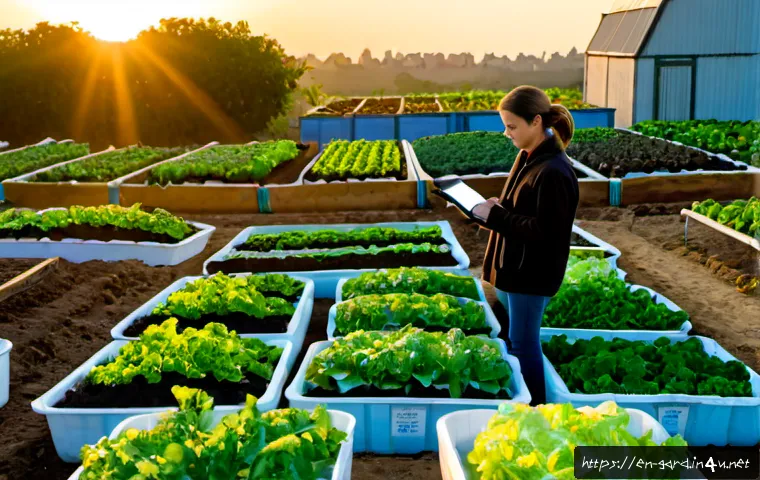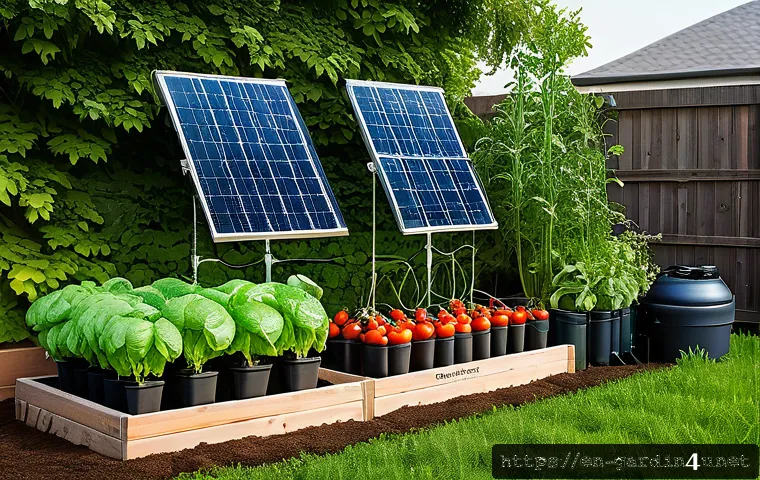
Starting your own garden can seem daunting, but it doesn’t have to be! Imagine fresh salads right outside your door, or the satisfaction of grilling vegetables you’ve nurtured from tiny seedlings.
Trust me, even with limited space or experience, you can absolutely grow your own food. I’ve found that certain plants are remarkably forgiving and prolific, perfect for beginners like I once was.
Plus, there’s something incredibly therapeutic about getting your hands dirty and watching things grow. The best part? You don’t need a green thumb to get started.
Let’s delve into which crops are easiest to cultivate!
Alright, let’s get this blog post growing!
Unlocking Flavor: Herbs That Thrive on Neglect
1. Basil: More Than Just Pesto
Basil, oh basil! I remember when I first started gardening, I thought basil was finicky. Turns out, it just wants sunshine and regular watering, but even if you forget sometimes, it’ll usually bounce back.
I’ve accidentally let mine dry out a few times, and it still gives me enough leaves for caprese salads all summer. The key is to pinch off the flower heads as soon as you see them.
This encourages the plant to produce more leaves instead of going to seed. Trust me, you’ll have more basil than you know what to do with! I’ve even started making basil-infused olive oil for friends, and it’s always a hit.
2. Mint: Contained Chaos is Key
Mint is the friend who means well but takes over the party. Seriously, this stuff will spread like wildfire if you let it. My advice?
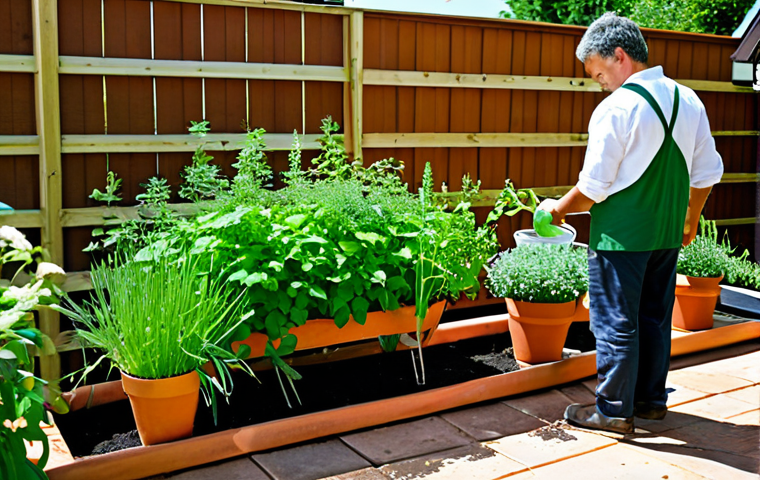
Plant it in a container. I learned this the hard way when my entire herb garden became a mint jungle. Now, I keep it in a pot on my patio, and it’s perfect for mojitos, iced tea, and even adding a little zing to salads.
Plus, it’s incredibly resilient. I’ve forgotten to water it for days, and it still looks perky. It’s like the energizer bunny of herbs.
3. Chives: The Onion’s Easygoing Cousin
Chives are another one of those plants that just seem to thrive no matter what. I’ve even seen them growing wild in abandoned lots. They’re basically the low-maintenance version of onions.
Just snip off what you need with scissors, and they’ll keep growing. I love adding them to scrambled eggs, baked potatoes, and even soups. They add a mild oniony flavor that’s just perfect.
Plus, the little purple flowers are super cute and attract pollinators to your garden.
Salad Bowl Staples: Veggies That practically Grow Themselves
1. Lettuce: Endless Salad Potential
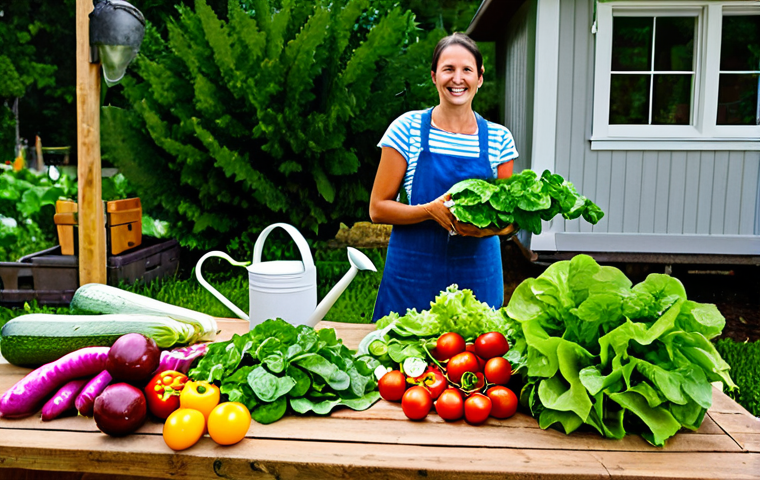
Lettuce is surprisingly easy to grow, and the best part is, you can harvest it a little bit at a time. I like to plant a mix of different varieties, like romaine, butter lettuce, and red leaf, for a colorful and flavorful salad.
Just sprinkle the seeds in a row, keep the soil moist, and you’ll be harvesting leaves in no time. I’ve even grown lettuce in a container on my balcony, so you don’t need a lot of space.
2. Radishes: From Seed to Salad in Weeks
Radishes are the speed demons of the vegetable world. Seriously, you can go from seed to harvest in as little as three weeks. They’re perfect for impatient gardeners like me.
Just make sure to thin them out after they sprout, so they have enough room to grow. I love adding radishes to salads for a peppery crunch. They’re also great pickled or roasted.
3. Spinach: Nutrient-Packed and Beginner-Friendly
Spinach is another leafy green that’s easy to grow, and it’s packed with nutrients. Just like lettuce, you can harvest it a little bit at a time, so you don’t have to wait for the whole plant to mature.
I like to add spinach to smoothies, salads, and even sauté it with garlic for a quick and healthy side dish. Just watch out for slugs and snails, as they love to munch on the leaves.
I’ve found that sprinkling diatomaceous earth around the plants helps keep them away.
Fruiting Plants with Minimal Fuss: A Bountiful Harvest Awaits
1. Cherry Tomatoes: Sweet Rewards for Little Effort
Cherry tomatoes are the rock stars of easy-to-grow fruiting plants. Seriously, these things are practically foolproof. Just give them plenty of sunshine, water, and a little support (like a stake or cage), and they’ll reward you with loads of sweet, juicy tomatoes all summer long.
I’ve grown them in containers on my patio, and they always produce like crazy. I love popping them straight into my mouth while I’m gardening, or adding them to salads and pasta dishes.
2. Zucchini: Prepare for Abundance
Zucchini is another one of those plants that will give you more than you bargained for. Seriously, one plant can produce a mountain of zucchini. Just make sure to give it plenty of space, as the plants can get quite large.
I love grilling zucchini, making zucchini bread, and even shredding it into salads. Just be prepared to share with your neighbors, because you’ll have more zucchini than you know what to do with!
I once tried to sneak zucchini into every meal for a week, and my family almost staged a revolt.
3. Peppers: From Mild to Spicy, Easy to Grow
Peppers are surprisingly easy to grow, and there are so many different varieties to choose from, from mild bell peppers to spicy jalapeños. Just give them plenty of sunshine, water, and well-drained soil, and they’ll reward you with a colorful harvest.
I love grilling peppers, adding them to stir-fries, and even pickling them. I’ve also found that peppers are a great way to add a little heat to my garden.
I planted a few jalapeño plants near my tomatoes last year, and it seemed to deter the squirrels from munching on them.
Root Vegetables: Digging into Easy Gardening
1. Carrots: More Than Just Orange
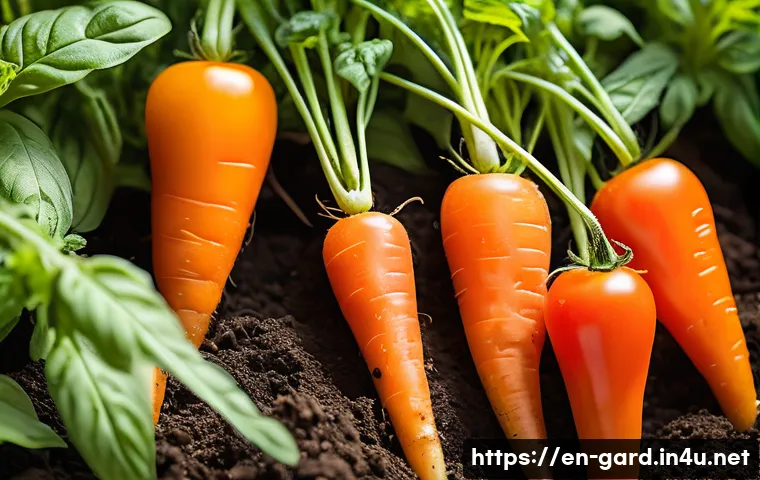
Carrots are another root vegetable that’s surprisingly easy to grow, especially if you choose the right variety. I like to grow shorter, round varieties like ‘Thumbelina’ because they’re less likely to get misshapen in rocky soil.
Just make sure to loosen the soil well before planting, and thin them out after they sprout. I love roasting carrots with a little olive oil and herbs, or adding them to soups and stews.
2. Beets: Two Crops in One
Beets are a great choice for beginner gardeners because you get two crops in one: the roots and the greens. The roots can be roasted, pickled, or added to salads, while the greens can be sautéed or added to smoothies.
Just make sure to give them plenty of space to grow, and thin them out after they sprout. I once made a beet and goat cheese salad that was so good, it converted even the most die-hard beet haters.
3. Radishes: Speedy and Satisfying
Radishes are the sprinters of the root vegetable world. Plant the seeds, keep the soil moist, and within a few weeks, you’ll be pulling up these zesty little roots.
They add a perfect crunch and peppery bite to salads, or you can slice them thinly and enjoy them on toast with a smear of butter and a sprinkle of sea salt.
Container Gardening Champions: Urban Gardening Made Simple
1. Herbs: Aromatic and Accessible
As mentioned earlier, herbs are fantastic for container gardening. Mint, basil, thyme, rosemary – they all thrive in pots, making them perfect for balconies, patios, or even a sunny windowsill.
I love having fresh herbs within arm’s reach while I’m cooking.
2. Leafy Greens: Salad on Demand
Lettuce, spinach, kale – these leafy greens are surprisingly happy in containers. Just ensure your pot has good drainage and use a quality potting mix.
Snip off leaves as needed for a constant supply of fresh salad greens.
3. Dwarf Tomatoes and Peppers: Compact and Productive
Look for dwarf or bush varieties of tomatoes and peppers specifically bred for containers. These compact plants produce an impressive amount of fruit without taking up too much space.
I’ve successfully grown ‘Patio’ tomatoes and ‘Mini Belle’ peppers in pots on my balcony for years.
Optimizing Your Garden: A Quick Guide
| Crop | Sunlight Needs | Watering Needs | Soil Type | Tips for Success |
|---|---|---|---|---|
| Basil | 6-8 hours of direct sunlight | Regular watering, keep soil moist | Well-drained soil, rich in organic matter | Pinch off flower heads to encourage leaf production. |
| Mint | Partial shade to full sun | Regular watering, but not waterlogged | Any soil type, but prefers moist soil | Plant in a container to prevent spreading. |
| Chives | 6-8 hours of direct sunlight | Regular watering, keep soil moist | Well-drained soil, rich in organic matter | Cut leaves regularly to encourage growth. |
| Lettuce | 4-6 hours of direct sunlight | Regular watering, keep soil moist | Well-drained soil, rich in organic matter | Harvest leaves as needed, don’t wait for the whole head to mature. |
| Radishes | 4-6 hours of direct sunlight | Regular watering, keep soil moist | Loose, well-drained soil | Thin seedlings to ensure proper spacing. |
| Spinach | 4-6 hours of direct sunlight | Regular watering, keep soil moist | Well-drained soil, rich in organic matter | Protect from slugs and snails. |
| Cherry Tomatoes | 6-8 hours of direct sunlight | Regular watering, keep soil moist | Well-drained soil, rich in organic matter | Provide support with stakes or cages. |
| Zucchini | 6-8 hours of direct sunlight | Regular watering, keep soil moist | Well-drained soil, rich in organic matter | Give plants plenty of space to grow. |
| Peppers | 6-8 hours of direct sunlight | Regular watering, keep soil moist | Well-drained soil, rich in organic matter | Plant near tomatoes to deter pests. |
| Carrots | 6-8 hours of direct sunlight | Regular watering, keep soil moist | Loose, well-drained soil | Choose shorter varieties for rocky soil. |
| Beets | 4-6 hours of direct sunlight | Regular watering, keep soil moist | Well-drained soil, rich in organic matter | Thin seedlings to ensure proper spacing. |
Troubleshooting Common Garden Problems: Keeping Your Plants Happy
1. Pests: Natural Solutions for Bug Battles
I’ve had my fair share of battles with pests in the garden. Slugs and snails love to munch on my leafy greens, aphids can infest my tomatoes, and cabbage moths can decimate my broccoli.
But I’m a big believer in natural solutions. I use diatomaceous earth to control slugs and snails, neem oil to get rid of aphids, and row covers to protect my plants from cabbage moths.
I’ve also found that companion planting can be really effective. For example, planting marigolds near my tomatoes helps repel nematodes, and planting basil near my cabbage helps deter cabbage moths.
2. Diseases: Preventing Problems Before They Start
Just like people, plants can get sick too. But the good news is, there are things you can do to prevent diseases from taking hold in your garden. First and foremost, make sure to choose disease-resistant varieties of plants.
Also, practice good sanitation by removing any diseased leaves or plants from your garden. Avoid overwatering, as this can create a breeding ground for fungal diseases.
And finally, rotate your crops each year to prevent diseases from building up in the soil.
3. Soil Issues: Feeding Your Plants the Right Stuff
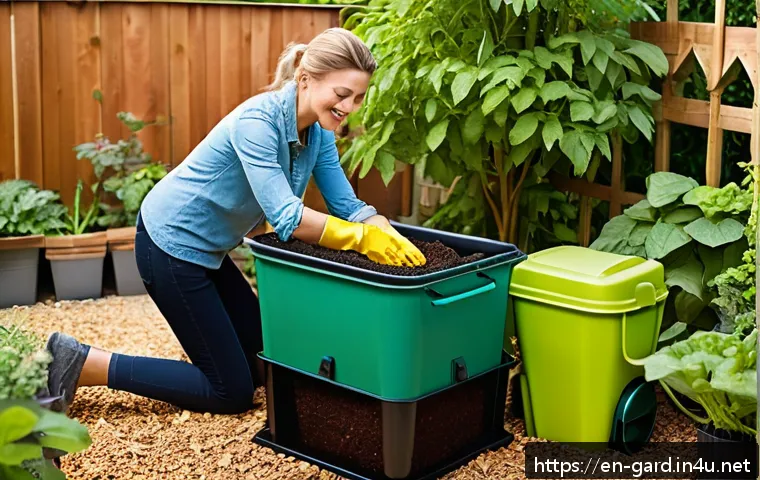
The soil is the foundation of your garden, so it’s important to make sure it’s healthy and fertile. If your soil is heavy and clay-like, add some compost or other organic matter to improve drainage.
If your soil is sandy, add some compost or other organic matter to help it retain moisture. And if your soil is lacking in nutrients, add some fertilizer.
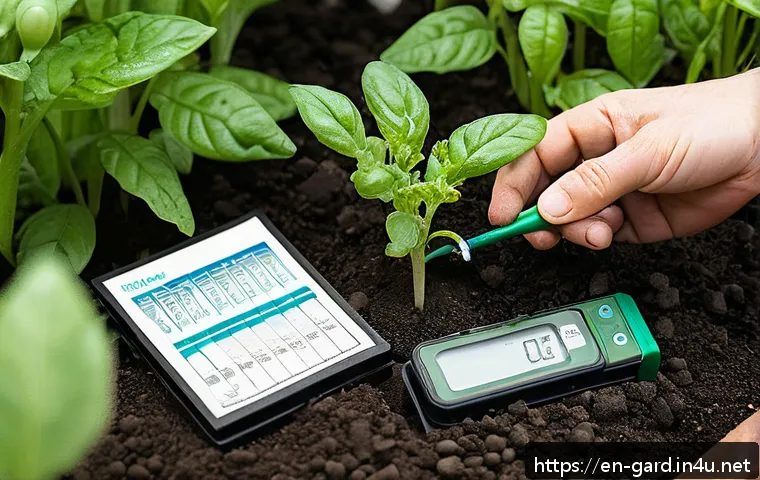
I like to use a slow-release organic fertilizer, as it provides a steady stream of nutrients to my plants over time. You can also do a soil test to find out exactly what nutrients your soil is lacking.
With a little planning and effort, anyone can enjoy the rewards of growing their own food. So get out there, get your hands dirty, and start planting!
You might be surprised at how easy and rewarding it can be. Alright, let’s get this blog post growing!
Unlocking Flavor: Herbs That Thrive on Neglect
1. Basil: More Than Just Pesto
Basil, oh basil! I remember when I first started gardening, I thought basil was finicky. Turns out, it just wants sunshine and regular watering, but even if you forget sometimes, it’ll usually bounce back. I’ve accidentally let mine dry out a few times, and it still gives me enough leaves for caprese salads all summer. The key is to pinch off the flower heads as soon as you see them. This encourages the plant to produce more leaves instead of going to seed. Trust me, you’ll have more basil than you know what to do with! I’ve even started making basil-infused olive oil for friends, and it’s always a hit.
2. Mint: Contained Chaos is Key
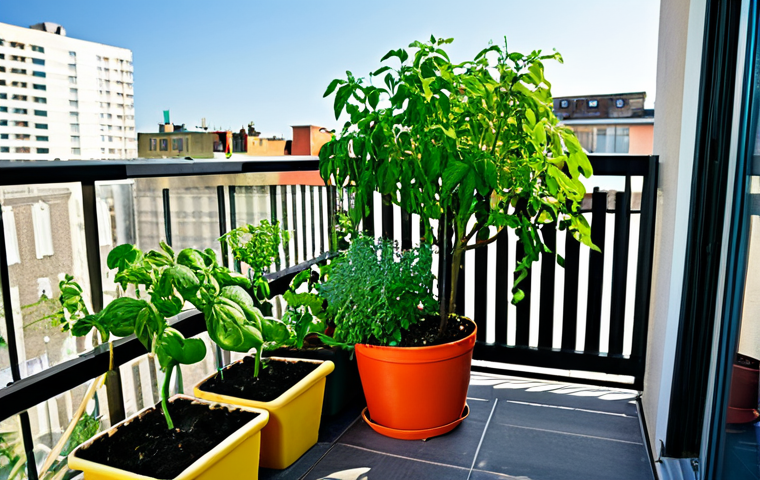
Mint is the friend who means well but takes over the party. Seriously, this stuff will spread like wildfire if you let it. My advice? Plant it in a container. I learned this the hard way when my entire herb garden became a mint jungle. Now, I keep it in a pot on my patio, and it’s perfect for mojitos, iced tea, and even adding a little zing to salads. Plus, it’s incredibly resilient. I’ve forgotten to water it for days, and it still looks perky. It’s like the energizer bunny of herbs.
3. Chives: The Onion’s Easygoing Cousin
Chives are another one of those plants that just seem to thrive no matter what. I’ve even seen them growing wild in abandoned lots. They’re basically the low-maintenance version of onions. Just snip off what you need with scissors, and they’ll keep growing. I love adding them to scrambled eggs, baked potatoes, and even soups. They add a mild oniony flavor that’s just perfect. Plus, the little purple flowers are super cute and attract pollinators to your garden.
Salad Bowl Staples: Veggies That practically Grow Themselves
1. Lettuce: Endless Salad Potential
Lettuce is surprisingly easy to grow, and the best part is, you can harvest it a little bit at a time. I like to plant a mix of different varieties, like romaine, butter lettuce, and red leaf, for a colorful and flavorful salad. Just sprinkle the seeds in a row, keep the soil moist, and you’ll be harvesting leaves in no time. I’ve even grown lettuce in a container on my balcony, so you don’t need a lot of space.
2. Radishes: From Seed to Salad in Weeks
Radishes are the speed demons of the vegetable world. Seriously, you can go from seed to harvest in as little as three weeks. They’re perfect for impatient gardeners like me. Just make sure to thin them out after they sprout, so they have enough room to grow. I love adding radishes to salads for a peppery crunch. They’re also great pickled or roasted.
3. Spinach: Nutrient-Packed and Beginner-Friendly
Spinach is another leafy green that’s easy to grow, and it’s packed with nutrients. Just like lettuce, you can harvest it a little bit at a time, so you don’t have to wait for the whole plant to mature. I like to add spinach to smoothies, salads, and even sauté it with garlic for a quick and healthy side dish. Just watch out for slugs and snails, as they love to munch on the leaves. I’ve found that sprinkling diatomaceous earth around the plants helps keep them away.
Fruiting Plants with Minimal Fuss: A Bountiful Harvest Awaits
1. Cherry Tomatoes: Sweet Rewards for Little Effort
Cherry tomatoes are the rock stars of easy-to-grow fruiting plants. Seriously, these things are practically foolproof. Just give them plenty of sunshine, water, and a little support (like a stake or cage), and they’ll reward you with loads of sweet, juicy tomatoes all summer long. I’ve grown them in containers on my patio, and they always produce like crazy. I love popping them straight into my mouth while I’m gardening, or adding them to salads and pasta dishes.
2. Zucchini: Prepare for Abundance
Zucchini is another one of those plants that will give you more than you bargained for. Seriously, one plant can produce a mountain of zucchini. Just make sure to give it plenty of space, as the plants can get quite large. I love grilling zucchini, making zucchini bread, and even shredding it into salads. Just be prepared to share with your neighbors, because you’ll have more zucchini than you know what to do with! I once tried to sneak zucchini into every meal for a week, and my family almost staged a revolt.
3. Peppers: From Mild to Spicy, Easy to Grow
Peppers are surprisingly easy to grow, and there are so many different varieties to choose from, from mild bell peppers to spicy jalapeños. Just give them plenty of sunshine, water, and well-drained soil, and they’ll reward you with a colorful harvest. I love grilling peppers, adding them to stir-fries, and even pickling them. I’ve also found that peppers are a great way to add a little heat to my garden. I planted a few jalapeño plants near my tomatoes last year, and it seemed to deter the squirrels from munching on them.
Root Vegetables: Digging into Easy Gardening
1. Carrots: More Than Just Orange
Carrots are another root vegetable that’s surprisingly easy to grow, especially if you choose the right variety. I like to grow shorter, round varieties like ‘Thumbelina’ because they’re less likely to get misshapen in rocky soil. Just make sure to loosen the soil well before planting, and thin them out after they sprout. I love roasting carrots with a little olive oil and herbs, or adding them to soups and stews.
2. Beets: Two Crops in One
Beets are a great choice for beginner gardeners because you get two crops in one: the roots and the greens. The roots can be roasted, pickled, or added to salads, while the greens can be sautéed or added to smoothies. Just make sure to give them plenty of space to grow, and thin them out after they sprout. I once made a beet and goat cheese salad that was so good, it converted even the most die-hard beet haters.
3. Radishes: Speedy and Satisfying
Radishes are the sprinters of the root vegetable world. Plant the seeds, keep the soil moist, and within a few weeks, you’ll be pulling up these zesty little roots. They add a perfect crunch and peppery bite to salads, or you can slice them thinly and enjoy them on toast with a smear of butter and a sprinkle of sea salt.
Container Gardening Champions: Urban Gardening Made Simple
1. Herbs: Aromatic and Accessible
As mentioned earlier, herbs are fantastic for container gardening. Mint, basil, thyme, rosemary – they all thrive in pots, making them perfect for balconies, patios, or even a sunny windowsill. I love having fresh herbs within arm’s reach while I’m cooking.
2. Leafy Greens: Salad on Demand
Lettuce, spinach, kale – these leafy greens are surprisingly happy in containers. Just ensure your pot has good drainage and use a quality potting mix. Snip off leaves as needed for a constant supply of fresh salad greens.
3. Dwarf Tomatoes and Peppers: Compact and Productive
Look for dwarf or bush varieties of tomatoes and peppers specifically bred for containers. These compact plants produce an impressive amount of fruit without taking up too much space. I’ve successfully grown ‘Patio’ tomatoes and ‘Mini Belle’ peppers in pots on my balcony for years.
Optimizing Your Garden: A Quick Guide
| Crop | Sunlight Needs | Watering Needs | Soil Type | Tips for Success |
|---|---|---|---|---|
| Basil | 6-8 hours of direct sunlight | Regular watering, keep soil moist | Well-drained soil, rich in organic matter | Pinch off flower heads to encourage leaf production. |
| Mint | Partial shade to full sun | Regular watering, but not waterlogged | Any soil type, but prefers moist soil | Plant in a container to prevent spreading. |
| Chives | 6-8 hours of direct sunlight | Regular watering, keep soil moist | Well-drained soil, rich in organic matter | Cut leaves regularly to encourage growth. |
| Lettuce | 4-6 hours of direct sunlight | Regular watering, keep soil moist | Well-drained soil, rich in organic matter | Harvest leaves as needed, don’t wait for the whole head to mature. |
| Radishes | 4-6 hours of direct sunlight | Regular watering, keep soil moist | Loose, well-drained soil | Thin seedlings to ensure proper spacing. |
| Spinach | 4-6 hours of direct sunlight | Regular watering, keep soil moist | Well-drained soil, rich in organic matter | Protect from slugs and snails. |
| Cherry Tomatoes | 6-8 hours of direct sunlight | Regular watering, keep soil moist | Well-drained soil, rich in organic matter | Provide support with stakes or cages. |
| Zucchini | 6-8 hours of direct sunlight | Regular watering, keep soil moist | Well-drained soil, rich in organic matter | Give plants plenty of space to grow. |
| Peppers | 6-8 hours of direct sunlight | Regular watering, keep soil moist | Well-drained soil, rich in organic matter | Plant near tomatoes to deter pests. |
| Carrots | 6-8 hours of direct sunlight | Regular watering, keep soil moist | Loose, well-drained soil | Choose shorter varieties for rocky soil. |
| Beets | 4-6 hours of direct sunlight | Regular watering, keep soil moist | Well-drained soil, rich in organic matter | Thin seedlings to ensure proper spacing. |
Troubleshooting Common Garden Problems: Keeping Your Plants Happy
1. Pests: Natural Solutions for Bug Battles
I’ve had my fair share of battles with pests in the garden. Slugs and snails love to munch on my leafy greens, aphids can infest my tomatoes, and cabbage moths can decimate my broccoli. But I’m a big believer in natural solutions. I use diatomaceous earth to control slugs and snails, neem oil to get rid of aphids, and row covers to protect my plants from cabbage moths. I’ve also found that companion planting can be really effective. For example, planting marigolds near my tomatoes helps repel nematodes, and planting basil near my cabbage helps deter cabbage moths.
2. Diseases: Preventing Problems Before They Start
Just like people, plants can get sick too. But the good news is, there are things you can do to prevent diseases from taking hold in your garden. First and foremost, make sure to choose disease-resistant varieties of plants. Also, practice good sanitation by removing any diseased leaves or plants from your garden. Avoid overwatering, as this can create a breeding ground for fungal diseases. And finally, rotate your crops each year to prevent diseases from building up in the soil.
3. Soil Issues: Feeding Your Plants the Right Stuff
The soil is the foundation of your garden, so it’s important to make sure it’s healthy and fertile. If your soil is heavy and clay-like, add some compost or other organic matter to improve drainage. If your soil is sandy, add some compost or other organic matter to help it retain moisture. And if your soil is lacking in nutrients, add some fertilizer. I like to use a slow-release organic fertilizer, as it provides a steady stream of nutrients to my plants over time. You can also do a soil test to find out exactly what nutrients your soil is lacking.
With a little planning and effort, anyone can enjoy the rewards of growing their own food. So get out there, get your hands dirty, and start planting! You might be surprised at how easy and rewarding it can be.
In Conclusion
So, what are you waiting for? Grab your gloves, some seeds, and get ready to transform your space into a thriving garden. Whether you have a sprawling backyard or a tiny balcony, there’s always room for a little bit of green. Happy gardening, and may your harvest be bountiful!
Good to Know Information
1. USDA Plant Hardiness Zone Map: Find your zone to select plants that thrive in your area.
2. Local Extension Office: A fantastic resource for region-specific gardening advice.
3. Farmers’ Almanac: Provides weather forecasts, planting charts, and gardening tips.
4. Community Gardens: Join a local garden to learn from experienced gardeners.
5. Seed Catalogs: Browse catalogs like Burpee or Johnny’s Selected Seeds for inspiration and a wide variety of seeds.
Key Takeaways
1. Start Small: Begin with a few easy-to-grow plants and expand as you gain confidence.
2. Sunlight is Crucial: Most vegetables and herbs require at least 6 hours of sunlight per day.
3. Well-Drained Soil: Use a good quality potting mix for containers and amend garden soil with compost.
4. Water Regularly: Check the soil moisture daily and water when the top inch feels dry.
5. Don’t Give Up: Gardening can be challenging, but the rewards are worth it. Learn from your mistakes and keep growing!
Frequently Asked Questions (FAQ) 📖
Q: I live in a tiny apartment with only a balcony. Can I still grow vegetables?
A: Absolutely! Don’t let limited space discourage you. Container gardening is your best friend.
Think pots, hanging baskets, and even vertical planters. Herbs like basil, mint, and chives thrive in small containers. Tomatoes and peppers do surprisingly well in pots too, just make sure they’re big enough – at least a 5-gallon container for a tomato plant.
I remember when I first started, I grew the cutest little cherry tomatoes on my fire escape! Just be mindful of sunlight; most veggies need at least 6 hours a day.
Q: I’m terrible at remembering to water plants.
A: re there any low-maintenance options? A2: Oh, I totally get that! I’ve been there.
Succulents are your answer, but since we’re talking veggies, consider drought-tolerant herbs like rosemary and thyme. They practically thrive on neglect!
Also, leafy greens like spinach and lettuce are surprisingly forgiving, especially if you choose slow-bolt varieties. They can handle a bit of dryness better than you might think.
I once forgot to water my lettuce for almost a week, and it bounced right back after a good soak. Plus, self-watering planters can be a lifesaver.
Q: What’s the easiest vegetable to grow for a complete beginner who’s never gardened before?
A: Without a doubt, radishes! Seriously, these guys are gardening rock stars. They sprout in days and are ready to harvest in about a month.
Talk about instant gratification! Just scatter the seeds, keep the soil moist, and thin them out a bit once they get going. Even if you mess up a little, you’ll still likely get a harvest.
I vividly recall my first radish harvest – those peppery little bites were so rewarding, especially knowing I grew them myself. They are foolproof!
📚 References
Wikipedia Encyclopedia
구글 검색 결과
구글 검색 결과
구글 검색 결과
구글 검색 결과
구글 검색 결과